
What Happens to Your Body When You Don’t Drink Enough Water?
Why Dehydration Matters
Water is essential to nearly every process taking place inside the human body. Just as a houseplant begins to wilt, lose its color, dry out and eventually die when it is deprived of water for too long, the human body also begins to struggle when it does not receive enough fluids.
The body contains a substantial amount of water, and every cell depends on it to function properly. Water supports digestion, temperature regulation, waste removal, joint lubrication and many of the chemical reactions that keep the body operating.
For that reason, dehydration is more than simply feeling thirsty. When the amount of water leaving the body remains greater than the amount being consumed, the body has to adjust to the shortage, and a variety of physical symptoms can appear.
What Is Dehydration?
Dehydration occurs when the body loses more water than it takes in over time. The water that has been lost is not adequately replaced, leaving the body with less fluid than it needs for normal functions.
The effects can range from relatively mild symptoms to serious health concerns. The longer the shortage continues and the more severe the dehydration becomes, the greater the potential consequences.
A useful way to understand the process is to think of the body as a factory that is constantly maintaining itself and producing everything necessary for normal function. Water acts as an essential part of the workforce that allows those processes to continue.
When that supply begins to run low, the body’s normal operations can become more difficult. Energy, circulation, digestion and other functions can all be affected by insufficient fluid intake.
Thirst Can Sometimes Be Mistaken for Hunger
One reason mild dehydration can go unnoticed is that thirst may sometimes be interpreted as hunger. Instead of drinking something, a person may reach for food because the body’s request for fluids is not recognized.
When this happens repeatedly, the body may continue operating with less water than it needs. The result can be mild or moderate dehydration that develops without the person realizing what is causing the symptoms.
Regular fluid intake is therefore important because water losses occur throughout the day. The body loses water through sweating, breathing, urine and stool, and those losses need to be replaced.
Changes in Urine Can Be a Warning Sign
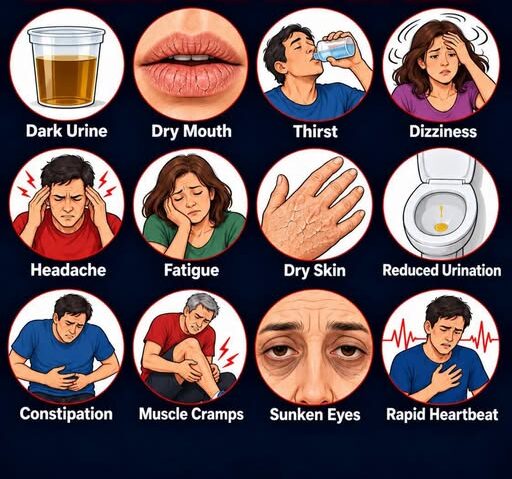
Urine can provide a useful indication of hydration. When a person is adequately hydrated, urine is generally pale yellow. As the body becomes short on water, urine can become darker and more concentrated.
A stronger ammonia-like smell can also occur when urine becomes highly concentrated because of insufficient water. Some people may also notice more bubbles when they urinate.
The frequency of urination can provide another indication. Going for long periods without urinating may occur when fluid intake has been insufficient and the body is conserving water.
Dizziness and Headaches May Appear
Dehydration can affect circulation and may contribute to dizziness or a wobbly feeling. Because blood contains a large amount of water, losing too much fluid can affect the body’s ability to maintain normal circulation.
Headaches are another commonly described symptom of inadequate hydration. When the body is short on water, changes in circulation can make it more difficult to deliver the oxygen the brain requires.
These effects can also be accompanied by what is often described as brain fog. A person may feel sluggish or have difficulty concentrating and remembering information.
Fatigue and Low Energy
Feeling unusually tired can also occur when the body does not receive enough water. Dehydration can affect blood circulation and the delivery of oxygen and nutrients throughout the body, leaving a person feeling drained.
Physical activity can make the problem more noticeable. Muscles require adequate support from the body’s circulation and fluid balance, and insufficient hydration can contribute to exhaustion during physical exertion.
When the body has to work harder to maintain normal circulation while fluid levels are low, feelings of tiredness and sleepiness can become more noticeable.
Mood and Irritability Can Change
Dehydration does not only affect physical sensations. Even relatively modest fluid loss has been associated with changes in mood, including increased irritability.
This means that a person who feels unusually uncomfortable, tired or irritable may also need to consider whether they have been drinking enough fluids throughout the day.
Blood Pressure and Cholesterol Changes
Changes in the body’s fluid levels can influence circulation. When there is less water available, the blood can become more concentrated, which may make circulation more difficult.
Changes in blood flow and resistance can contribute to changes in blood pressure. The original material also identifies increased blood pressure as one of the possible consequences associated with dehydration.
Dehydration has also been described as capable of affecting cholesterol levels. The body can respond to water loss through protective mechanisms involving the cells, and these changes may be associated with elevated cholesterol levels.
Dry Skin Can Signal Low Fluid Intake
Skin can also reflect changes associated with inadequate hydration. When the body does not have enough water, the skin may feel dry and lose some of its elasticity.
Adequate water intake supports the body’s normal processes, including the removal of waste products. Water is also important for maintaining healthy-looking skin.
When fluid intake is consistently inadequate, the skin may become more susceptible to dryness and problems involving the skin’s normal condition.
Dehydration and Constipation
Water plays an important role in the digestive system. It helps food move through the intestines and supports the flexibility and normal function of the digestive tract.
When fluid intake is too low, constipation can become a problem. Increasing fluid intake is therefore described as an important first step for people dealing with constipation.
Maintaining adequate hydration supports the digestive process and helps the intestines perform their normal functions.
Joint Discomfort and Stiffness
Water is also important to the structures that support the body’s joints. Cartilage helps cushion joints and reduce the tension created by movement and weight-bearing activities.
Joints that carry substantial amounts of weight throughout the day, such as the knees, are especially important in this context. Adequate hydration supports the body’s normal joint structures and can help maintain comfortable movement.
Why Dehydration Can Be Linked With Weight Gain
Another reason hydration matters is that thirst can be confused with hunger. A person who actually needs water may instead eat because the sensation is interpreted as a request for food.
Low fluid intake can also occur alongside low energy, making normal physical activity more difficult. Together, these factors can contribute to behaviors associated with weight gain.
Recognizing thirst and responding to it with an appropriate fluid can therefore help prevent unnecessary confusion between the body’s need for water and its need for food.
Kidney and Bladder Problems
The kidneys and bladder are particularly important when discussing hydration because the body relies on water to help remove waste products. When there is not enough water, toxins and bacteria can build up more easily.
Insufficient water intake can also place additional strain on the urinary system. Serious dehydration can contribute to acute kidney injury, a condition in which the kidneys stop working properly.
These potential effects demonstrate why severe dehydration should not be treated as an insignificant problem.
Concentrated Urine and Crystals
When urine becomes highly concentrated, substances dissolved in it can become more concentrated as well. In people with kidney problems or very concentrated urine, urinalysis may reveal an increased presence of crystal substances.
The original material describes a study involving marathon runners in which urine tests showed higher concentrations of urinary salts after dehydration. Eleven days after racing, urine tests showed elevated levels of oxalate dihydrate crystals.
Severe Dehydration Can Become Life-Threatening
The consequences of dehydration become increasingly serious as fluid loss becomes severe. If the body does not receive enough water to maintain circulation and organ function, normal systems can begin to fail.
In the most serious cases described in the original material, severely dehydrated people can experience coma, organ failure and eventually death. Blood may no longer circulate in sufficient amounts to adequately support the body’s organs.
This is why preventing dehydration is important rather than waiting until severe symptoms develop.
What Fluids Can Help?
Plain water remains the primary choice for replacing lost fluids. Water can also come from foods with high water content, including watermelon, cucumbers, grapes, carrots and cabbage.
Other sources mentioned include vegetable juices, flavored water, herbal teas and clear soups. Fruit juice can provide fluid as well, although the original material recommends moderation because fruit juice contains fructose and lacks the fiber found in whole fruit.
Black tea and coffee are also discussed in relation to hydration because they can have a diuretic effect and increase urination. For that reason, they are not presented as the preferred replacement for water.
How Much Water Does the Body Contain?
The human body is often described as being roughly two-thirds water, although the exact proportion varies. The amount of water in the body can differ according to age, body composition and other factors.
The material describes the average man as having between 57% and 60% water by body weight, while a newborn infant can have as much as 79%. In people with obesity, the proportion can be lower, reaching about 45%.
The percentage of water in the body generally decreases from infancy through old age, with the largest changes occurring during the earlier years of life.
Why Drinking Water Is Important
Water supports a wide range of essential bodily functions. It helps with growth and maintenance, regulates body temperature and provides the environment needed for important chemical reactions.
It also lubricates joints and eyes, supports digestion, assists with the removal of waste and helps maintain the body’s fluid balance.
Water also contributes to normal muscle function and bowel function. Adequate hydration is therefore connected with many different systems rather than being important for only one part of the body.
Water Intake Depends on the Individual
The commonly repeated recommendation of drinking eight 8-ounce glasses of water or fluids each day amounts to nearly 2 liters. However, the amount of fluid a person needs can vary considerably.
Factors that can affect fluid requirements include physical activity, health, diet, body size, age and the climate in which a person lives. Someone who loses more water through activity or environmental conditions may need to adjust fluid intake accordingly.
The central principle remains simple: the body continually loses water, and those losses need to be replaced. Paying attention to thirst, urine color, energy levels and other signs can help a person recognize when fluid intake may be too low.