
Why Oregano May Be a Smart Addition to Your Wellness Routine After 60
Aging and the Power of Consistent Habits
As we enter our 60s and beyond, health often becomes less about dramatic transformations and more about steady, intentional choices. Daily routines, balanced nutrition, and mindful habits tend to have a greater long-term impact than quick fixes.
While no herb can replace medical care or prescribed treatment, certain natural ingredients have been studied for their supportive role in overall wellness. One of these is oregano, a familiar staple in Mediterranean cooking.
Beyond its bold flavor, oregano offers compounds that may complement a healthy lifestyle. For older adults seeking simple, natural additions to their meals, it may be worth considering.
A Natural Source of Antioxidants
Oregano contains a variety of antioxidants, including carvacrol and thymol. These compounds help the body manage oxidative stress, which is associated with aging and several chronic conditions.
As we grow older, the body’s natural defense systems against free radicals can become less efficient. Including antioxidant-rich foods may help support cellular function and tissue health over time.
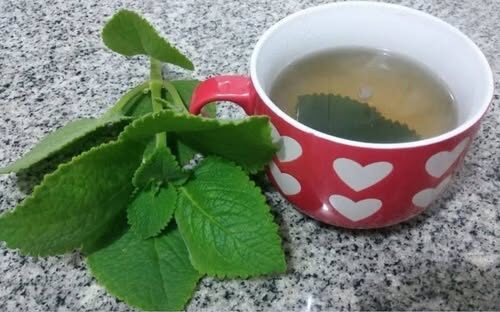
Fresh or dried oregano can easily be added to soups, salads, roasted vegetables, and sauces. Some individuals also prepare oregano tea to increase their intake in a gentle, soothing way.
Although small servings will not create overnight changes, consistent use as part of a balanced diet may offer supportive benefits in the long run.
Potential Support for Heart Health
Cardiovascular health becomes increasingly important with age. While oregano is not a treatment for heart disease, its natural plant compounds have been studied for their possible role in supporting healthy cholesterol levels and circulation.
The herb’s anti-inflammatory properties may contribute to vascular health when paired with heart-conscious eating habits. Meals rich in vegetables, healthy fats such as olive oil, and lean protein create a foundation that oregano can complement.
Using oregano as a seasoning is generally considered safe for most people. However, individuals managing heart conditions or taking medication should consult a healthcare provider before making notable dietary changes.
When used thoughtfully, oregano can enhance both flavor and nutritional variety without requiring major adjustments.
Supporting Immune Resilience
The immune system naturally changes with age, making it important to maintain supportive habits. Oregano has traditionally been valued for its antimicrobial properties.
Carvacrol, one of its active components, has been studied for its role in helping the body respond to certain bacteria. While oregano cannot prevent illness, it may offer mild supportive effects as part of a nutrient-dense diet.
During colder months, some older adults enjoy oregano tea as a comforting herbal beverage. Its warmth and aroma can be soothing, even as research continues to explore its full potential.
Incorporating herbs like oregano into daily meals may contribute to overall dietary diversity, which is often associated with better immune balance.
Digestive Comfort and Balance
Digestive changes are common later in life. Slower digestion, occasional bloating, or mild discomfort can become more noticeable over time.
Oregano has long been used in traditional practices to support digestive function. It may help stimulate digestive enzymes and promote smoother processing of meals.
Its mild antimicrobial properties may also play a role in supporting gut balance. Adding oregano to stews, roasted vegetables, or marinades can introduce these benefits without altering familiar recipes.
As with many natural ingredients, steady inclusion tends to be more effective than occasional heavy use.
Encouraging a Healthy Inflammatory Response
Low-grade inflammation is often associated with joint stiffness and general discomfort as we age. Oregano contains natural compounds that may help support a balanced inflammatory response.
While it cannot replace prescribed treatments, pairing oregano with other anti-inflammatory foods may strengthen overall dietary support. Garlic, turmeric, leafy greens, and olive oil are examples of ingredients that work well alongside it.
A diet that consistently includes a variety of plant-based components can promote mobility and comfort over time.
Even modest amounts used regularly may offer more value than sporadic larger servings.
Easy Ways to Incorporate Oregano
Adding oregano to meals does not require dramatic changes. A sprinkle of dried oregano over scrambled eggs or roasted potatoes can enhance both flavor and nutritional variety.
Fresh leaves can be mixed into salads or blended into homemade dressings. Oregano pairs particularly well with tomatoes, cucumbers, and olive oil.
Brewing oregano tea with hot water and a squeeze of lemon offers a simple herbal option, especially during cooler seasons.
The herb can also be stirred into soups, sauces, and marinades or blended with olive oil as a dip for whole-grain bread.
Maintaining a Balanced Perspective
Although oregano shows promising supportive properties, it is not a cure-all. Its benefits are best understood within the context of a balanced diet and healthy lifestyle.
Concentrated oregano oil supplements, in particular, may interact with certain medications. Individuals taking blood thinners or blood sugar medications should consult a healthcare professional before considering supplemental forms.
Using oregano as a culinary herb is generally safe for most individuals. Still, thoughtful integration is always recommended.
The goal is to complement—not replace—professional medical guidance and prescribed treatments.
Small Steps Toward Lasting Wellness
Aging well often depends on steady, sustainable habits rather than dramatic interventions. Simple kitchen choices can accumulate into meaningful long-term support.
Oregano is affordable, accessible, and easy to use. Its combination of flavor and potential wellness-supportive compounds makes it a practical addition to everyday meals.
Sometimes the most beneficial health habits are quiet and consistent. A pinch of oregano added regularly to soups, vegetables, or dressings may be one of those subtle steps.
In the end, nurturing wellness after 60 is about building a pattern of mindful decisions. Incorporating oregano into your routine could be a small yet thoughtful part of that larger commitment to healthy aging.