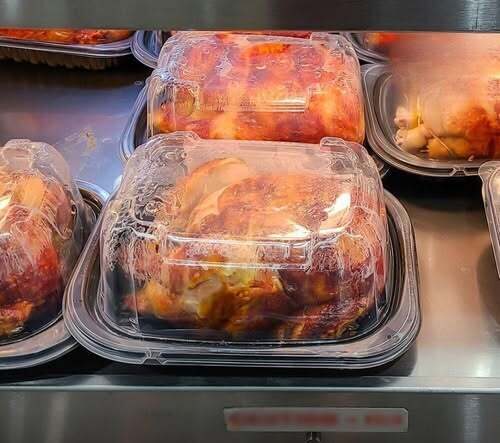
How to Choose Rotisserie Chicken More Safely at the Store
Why Rotisserie Chicken Deserves a Closer Look
Rotisserie chicken is one of the quickest meal solutions many shoppers rely on. It is warm, ready to serve, and often appears like a simple choice for lunch or dinner.
Its golden color and roasted aroma can make it seem fresh and safe at first glance. But appearance alone does not tell the full story.
Cooked chicken is still a highly perishable food. That means it needs proper storage, careful handling, and close attention from the moment it is prepared until the moment it is purchased and eaten.
When any part of that process goes wrong, the risk increases. A small oversight in storage, temperature, timing, or packaging can turn a convenient meal into a food safety concern.
That is why shoppers should never treat store-bought rotisserie chicken as something that can be picked up without a second thought. A few simple checks can help lower the risk and make the purchase safer.
Convenience Can Hide Important Food Safety Details
Rotisserie chicken is popular because it saves time. It removes the need to season, roast, and clean up after preparing a full chicken at home.
That convenience is exactly what makes many people move too quickly. In a busy store, it is easy to grab one from the warmer and head to checkout without checking the label or condition of the package.
But ready-to-eat poultry still requires attention. Once cooked, it must be kept within safe conditions and sold within a limited period.
Unlike shelf-stable products, cooked chicken cannot be treated casually. Its safety depends on how long it has been sitting, how well it has been stored, and whether it has remained protected from contamination.
The fact that it is already cooked does not remove the possibility of bacterial growth. It only means the next steps matter even more.
Start With the Label Every Time
The first thing to inspect is the label. Before looking at the price, size, or seasoning, check when the chicken was prepared and when it should be used or sold by.
This step matters more than anything else because time affects cooked poultry quickly. A chicken that looks fine on the outside may still be past the point where it should be purchased.
If the label clearly shows preparation and expiration details, that gives the shopper something concrete to evaluate. Freshness should never be based on guessing.
If the label is missing, hard to read, smudged, or incomplete, the safest decision is to leave it behind. Unclear timing means unclear risk.
Even a short difference in time can matter with cooked chicken. A product that has been sitting too long may no longer be the best choice, even if it still appears appealing in the display.
A printed date gives a direct signal about whether the chicken is still within the period when it should be sold and eaten. That information should always be checked first.
Why Temperature Matters So Much
Temperature is one of the biggest factors in rotisserie chicken safety. Cooked poultry needs to be kept hot enough to stay out of the range where bacteria can grow rapidly.
If the chicken is being sold hot, it should remain above a safe holding temperature. If it is being sold cold, it should be properly refrigerated.
The problem starts when cooked food sits in between those safe conditions. Lukewarm storage is a warning sign that should not be ignored.
When chicken stays in an unsafe temperature range, bacteria can multiply much faster. That can happen even when the food still looks normal from the outside.
Shoppers should pay attention to the display itself. If the warmer does not seem hot, if the refrigerated case does not feel cold enough, or if the product seems as though it has been left in uncertain conditions, that is a reason to pause.
Food safety is not only about how the chicken was cooked. It is also about how it was held after cooking and before purchase.
A properly stored bird should be in an environment that matches how it is being sold. Hot chicken should be kept hot. Cold chicken should be kept cold. Anything in between deserves caution.
Inspect the Packaging Before It Goes in the Cart
The package around the chicken is another important clue. It should look secure, clean, and intact.
If the container has tears, cracks, or loose areas, the risk of contamination rises. Packaging is there to protect the food, and visible damage suggests that protection may have been compromised.
Leaks are another warning sign. If juices or grease are escaping from the package, that can indicate a problem with the seal or the overall handling of the product.
Excess moisture inside or outside the package may also be worth noticing. A small amount of condensation is not the same as a damaged or messy container, but anything that makes the packaging appear poorly sealed or unstable should be taken seriously.
Grease on the outside of the lid or tray can be a sign that the package has shifted, spilled, or failed to remain properly closed. A package that looks unclean should not be dismissed as normal.
Good packaging should give confidence. If it looks sloppy, damaged, or questionable, the safer option is to choose another one or skip it altogether.
Appearance Still Tells an Important Story
Visual inspection remains a valuable step. A fresh rotisserie chicken should generally look evenly roasted, with a golden-brown exterior that matches what shoppers expect from properly cooked poultry.
Color changes can be a sign that something is not right. Gray or greenish tones should immediately raise concern.
The skin should also look normal for a roasted product. If the chicken appears unusually wet, slimy, or otherwise off in texture, that is not something to overlook.
Many shoppers make decisions with their eyes first, and in this case that instinct can be useful. A healthy-looking surface is not a guarantee of safety, but a strange-looking surface is a reason to walk away.
Appearance is one of the easiest first checks anyone can perform without opening the package. It takes only a moment and may help prevent buying a product that has already started to deteriorate.
Smell Is One of the Fastest Warning Signals
Smell is another basic but powerful safety check. Fresh rotisserie chicken should smell like roasted chicken, mild and appetizing rather than sharp or unpleasant.
A sour or strange odor is a major warning sign. Even if the label looks acceptable, an unusual smell suggests the product may not be a safe choice.
People sometimes hesitate to trust their senses when a food is sold in a major store. But smelling something unusual should never be ignored simply because the chicken came from a familiar retailer.
The same rule applies whether the chicken is sold at Walmart or any other store. A large display and a recognizable name do not remove the need for caution.
When smell and appearance both suggest something is wrong, the decision becomes simple. It is better to leave it behind than take a risk with cooked poultry.
Do Not Ignore the Ingredients and Nutrition Panel
Food safety is the first priority, but health considerations matter too. Many store-bought rotisserie chickens include more than chicken and seasoning.
Some products contain high levels of sodium. Others may include preservatives or flavor-enhancing ingredients that shoppers may prefer to limit.
This does not automatically make the product unsafe. But it does mean buyers should know what they are bringing home.
For people watching their salt intake, reading the nutrition panel can be especially important. A product that seems like a simple protein choice may contain more sodium than expected.
The same applies to shoppers who prefer foods with fewer added ingredients. Taking a quick look at the label helps make the purchase more informed.
Ten seconds of reading can reveal far more than the golden skin on the outside ever could. Safety and health both benefit from that small pause.
How Long Is Too Long?
Timing continues to matter even after the chicken is purchased. Cooked chicken should not be left sitting at room temperature for long periods.
If it stays out too long after leaving the store, the safety risk increases. That is why it is important to bring it home promptly and handle leftovers properly.
Once refrigerated, it still has a limited usable life. It should be eaten within a short period rather than left forgotten in the refrigerator.
This is another reason the store purchase itself matters so much. A chicken that was already closer to the end of its safe window gives the buyer even less flexibility at home.
Buying the freshest possible option helps extend that margin slightly, but it does not change the fact that cooked poultry should be treated with care from beginning to end.
Should You Make It at Home Instead?
For people who buy rotisserie chicken often, preparing it at home may be worth considering. That option removes much of the uncertainty involved in store displays, labels, and packaging.
Homemade chicken gives full control over the ingredients used. It also allows the cook to decide how much salt or seasoning goes into the meal.
Freshness becomes easier to manage because the chicken is served directly after cooking. There is no guessing about how long it has been under store conditions.
Of course, making it at home takes more effort. It requires planning, preparation, cooking time, and cleanup.
But for some households, that extra work may feel worthwhile. The tradeoff is control, and for many people that can be a major advantage.
Store-bought rotisserie chicken offers speed. Homemade chicken offers certainty. Which one matters more depends on the situation, but the difference is worth understanding.
Simple Rules That Can Prevent a Bad Purchase
Shoppers do not need a complicated system to make a safer decision. A few consistent habits can go a long way.
Check the date before anything else. Look at the display temperature and avoid anything that seems lukewarm or poorly refrigerated.
Inspect the package for leaks, tears, and visible damage. Study the color of the skin and pay attention to any strange odor.
Then take one last glance at the ingredients and nutrition information if sodium or additives matter in your diet. Those small actions take very little time, but they add an important layer of protection.
One of the best rules to remember is also the simplest: If something feels off — don’t buy it.
Common Questions Shoppers Often Have
Many people wonder whether Walmart rotisserie chicken is safe. It can be safe when it has been handled and stored properly, but the buyer still needs to check the product before purchasing it.
Another common question is about the biggest risk. One of the main concerns is improper temperature storage, because that creates conditions where bacteria can grow more easily.
People also ask how long rotisserie chicken can sit out. Leaving it at room temperature too long is a mistake, and it should not be allowed to remain out for extended periods.
There is also the question of whether it can be eaten the next day. That can be fine when it has been refrigerated properly and used within a short, safe window.
As for smell, fresh chicken should not have a harsh or sour odor. A mild roasted smell is what shoppers should expect.
The Bottom Line
Rotisserie chicken can be one of the easiest meals to buy, especially on a busy day when cooking feels like too much work. But ease should never replace caution.
The product may be fully cooked, but it still requires proper handling, safe temperatures, intact packaging, and attention to timing. Ignoring those basics can increase the chance of bringing home spoiled food or a product with unnecessary risk.
A careful shopper does not need special equipment or expert training. Reading the label, checking the package, noticing the smell, and paying attention to storage conditions can make a meaningful difference.
In the end, the smartest approach is simple. Slow down for a few seconds before placing it in the cart.
That quick check may be the difference between a convenient dinner and a preventable problem. Rotisserie chicken can be a useful meal option, but only when it passes the basic safety checks every shopper should make.