
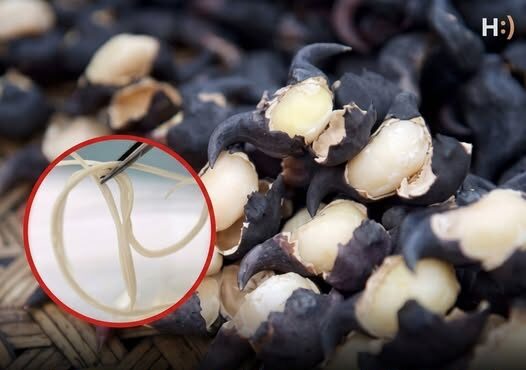
Understanding Parasites in Food and How Proper Preparation Helps Reduce Health Risks
The Long History of Parasites and Human Health
Parasites have long been part of the natural world and have affected human health for thousands of years. These organisms survive by living on or inside another host, often drawing nutrients from the body to support their own growth and survival.
Throughout history, parasitic infections have been more common in regions where sanitation systems, clean water supplies, and food safety standards are difficult to maintain.
Even in modern times, parasitic infections remain a significant public health concern. Health organizations estimate that large numbers of people worldwide experience some form of parasitic infection each year.
While medical advances and improved hygiene have greatly reduced many infections, parasites continue to exist in natural environments and food sources.
Understanding how these organisms spread can help individuals take simple precautions that reduce potential exposure.
How Parasites Can Enter the Human Body
Parasites may enter the body through several different pathways. One of the most common routes is through contaminated food or water.
Undercooked meat, untreated drinking water, and food that has not been properly cleaned can sometimes carry microscopic parasite eggs or larvae.
Insects can also act as carriers for certain parasites, transmitting them through bites.
Fresh produce grown in natural environments may occasionally come into contact with soil or water that contains parasite eggs.
Because many vegetables are consumed raw, especially in salads or fresh dishes, proper cleaning and preparation are essential for reducing potential risks.
The Role of Food Safety in Preventing Infection
Advances in sanitation systems, water purification, and food safety regulations have significantly reduced many types of parasitic infections in recent decades.
Countries that have invested in improved agricultural practices and public health education have seen substantial declines in infection rates.
Clean irrigation water, safe fertilizer use, and careful food handling practices all contribute to safer food supplies.
Public health campaigns have also helped increase awareness about washing produce and cooking food thoroughly.
These preventive measures have played a key role in improving overall food safety.
Vegetables and Environmental Exposure
Vegetables grow in a wide range of environments, including soil, wetlands, and irrigated fields.
Plants grown in moist or muddy areas may occasionally come into contact with microorganisms that exist naturally in the environment.
This does not necessarily mean the food is unsafe, but it highlights the importance of careful food preparation.
Washing, peeling, and cooking vegetables can remove or destroy many microorganisms that may be present.
These simple steps can significantly reduce the risk of consuming harmful organisms.
Water Chestnuts and Aquatic Growing Conditions
Water chestnuts are a crunchy aquatic vegetable commonly used in various cuisines, particularly in Asian dishes.
The plant grows in wetlands, ponds, and flooded agricultural fields.
These environments contain rich organic material that supports plant growth but may also contain microorganisms.
Because water chestnuts develop beneath muddy water, their outer surface can sometimes collect environmental contaminants.
When eaten raw without proper cleaning or preparation, there is a possibility that microorganisms present in the environment may remain on the surface.
Safe Preparation of Water Chestnuts
Proper preparation methods can significantly reduce potential health risks associated with aquatic vegetables.
Thoroughly washing water chestnuts under clean running water helps remove dirt and debris from their outer surface.
Peeling away the outer layer further reduces the chance of contaminants remaining on the vegetable.
Cooking water chestnuts at high temperatures can destroy many microorganisms that may be present.
These steps allow people to safely enjoy the vegetable while maintaining its crisp texture and nutritional value.
Water Celery and Natural Growing Environments
Water celery is another vegetable that grows in moist soil and shallow water environments.
It is widely used in soups, stir-fries, and herbal dishes because of its distinctive flavor and nutritional content.
The same conditions that support the growth of water celery can also expose it to microorganisms found in soil and water.
In some environments, livestock grazing near fields may introduce microorganisms into nearby water sources.
For this reason, proper cleaning and cooking of vegetables grown in such environments is recommended.
The Importance of Washing Fresh Produce
Fresh vegetables should always be washed thoroughly before consumption.
Running clean water over produce while gently scrubbing the surface helps remove soil, debris, and potential contaminants.
Peeling vegetables when possible adds an extra layer of protection.
Cooking vegetables at high temperatures further reduces the possibility that microorganisms remain on the food.
These practices are simple but highly effective in maintaining food safety.
Arrowhead and Water Caltrop
Arrowhead and water caltrop are aquatic vegetables used in various traditional dishes.
Arrowhead is known for its triangular shape and high starch content, making it a valuable ingredient in many recipes.
Water caltrop is recognizable for its distinctive horn-like shape and slightly sweet flavor.
Because both plants grow in ponds or wetlands, they may occasionally come into contact with natural microorganisms found in those environments.
Cooking these vegetables thoroughly helps ensure they are safe to eat while preserving their taste and nutritional value.
Why Cooking Helps Reduce Risk
Heat plays an important role in food safety.
Many microorganisms, including bacteria and parasites, cannot survive high cooking temperatures.
Boiling, steaming, or stir-frying vegetables helps eliminate many potential contaminants.
Cooking also improves digestibility and enhances the flavor of certain vegetables.
These benefits make cooking an effective method for improving both safety and taste.
Lotus Root and Food Preparation
Lotus root is another aquatic vegetable that grows in muddy ponds and slow-moving water.
It is widely used in soups, stir-fries, and salads because of its crisp texture and mild flavor.
The root contains a network of small holes and channels that can trap particles from its growing environment.
Careful washing under running water helps remove debris from the root’s surface.
Cooking lotus root thoroughly ensures that any remaining microorganisms are eliminated.
Maintaining Good Kitchen Hygiene
Kitchen hygiene plays an important role in reducing food safety risks.
Washing hands before preparing food prevents the spread of bacteria and other microorganisms.
Using clean cutting boards and utensils helps prevent cross-contamination between foods.
Storing vegetables properly and keeping preparation surfaces clean also contribute to safer food handling.
These everyday habits support healthier cooking practices in any kitchen.
The Role of Awareness in Food Safety
Food safety awareness helps individuals make informed choices about how they prepare and consume food.
Understanding the environments where certain vegetables grow can guide better preparation methods.
Simple steps such as washing, peeling, and cooking produce provide effective protection against many potential health risks.
Public health organizations continue to encourage these practices as part of a balanced approach to nutrition and safety.
Education and awareness remain key tools in maintaining healthy food habits.
Enjoying Nutritious Foods Safely
Vegetables grown in aquatic environments can be nutritious additions to a balanced diet.
They provide vitamins, minerals, and dietary fiber that support overall health.
When prepared properly, these foods can be enjoyed safely without unnecessary risk.
Following recommended food preparation practices helps ensure meals remain both healthy and enjoyable.
With careful handling and proper cooking, people can continue to benefit from the variety and nutrition that fresh vegetables provide.