
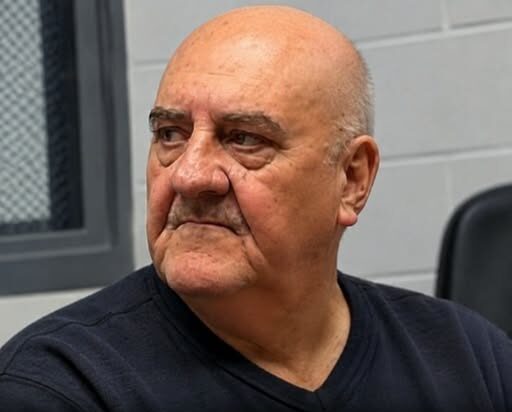
Florida Inmate Curtis Wilkie Beasley Requested a Simple Final Meal Before His Execution at 77
After Nearly Three Decades on Death Row, Beasley Apologized for His Mistakes Before a Lethal Injection Ended His Life at Florida State Prison
After spending nearly three decades on death row, Curtis Wilkie Beasley faced the final hours of his life at Florida State Prison near Starke.
The 77-year-old had been condemned for the murder of Carolyn Monfort, a case that began in 1995 and eventually resulted in his conviction on murder, robbery, and grand theft auto charges.
Before entering the death chamber, Beasley was given the opportunity to request a final meal.
His choice was strikingly simple.
He requested grilled cheese sandwiches and ice cream.
The modest selection became one of the final details publicly reported about a case that had stretched across more than three decades from the killing to the execution.
Florida Places a Limit on Final Meal Requests
According to information attributed to a Florida Department of Corrections spokesman, Beasley selected grilled cheese sandwiches and ice cream as his final meal.
Florida allows condemned inmates to make a final meal request, but there are restrictions.
The food must be available locally, and the total cost cannot exceed $40.
Within those limits, Beasley chose familiar and uncomplicated foods rather than requesting an elaborate meal.
The simplicity of the choice stood in contrast to the seriousness of the case that had placed him on death row.
A Spiritual Adviser Sat Beside Him
On Tuesday, as the execution approached, a spiritual adviser was present with Beasley inside Florida State Prison near Starke.
The adviser sat beside him during the execution.
Before the lethal injection drugs were administered, Beasley was given an opportunity to speak.
His final statement was brief.
“I want to apologize for all the mistakes I made.”
There was no lengthy speech included in the supplied account.
Instead, the 77-year-old used his final statement to offer an apology before the execution proceeded.
Beasley Was Pronounced Dead at 6:12 P.M.
After his final statement, the lethal injection procedure was carried out.
Beasley was pronounced dead at 6:12 p.m.
His death brought an end to decades of incarceration following the murder conviction that had placed him on Florida’s death row.
The execution also returned attention to the violent events that began in August 1995 with the death of Carolyn Monfort.
The Case Began in August 1995
The crime that ultimately resulted in Beasley’s death sentence occurred decades earlier.
In August 1995, Monfort’s daughter became concerned after being unable to reach her mother for two days.
She eventually went to her mother’s Dundee home.
Inside, she discovered that Monfort was dead.
That discovery began the investigation that would eventually focus on Beasley.
Investigators Found a Bloodied Hammer Head
Authorities examining the scene discovered a bloodied hammer head nearby.
The object became part of the investigation into Monfort’s death.
Investigators also began looking into the whereabouts of her vehicle and attempting to determine who had been with or around her before she was found.
A witness eventually provided information that connected Beasley to Monfort’s vehicle.
That connection became another important piece of the case against him.
A Witness Linked Beasley to Monfort’s Vehicle
The investigation did not end at the Dundee home.
Authorities gathered information about Beasley’s movements and his connection to property belonging to Monfort.
A witness linked him to her vehicle.
The case then expanded beyond Florida after Beasley left the state.
He was eventually arrested after fleeing Florida.
The arrest set the stage for the criminal proceedings that followed.
Beasley Was Convicted in 1998
Three years after Monfort’s death, Beasley was convicted in 1998.
The charges included murder, robbery, and grand theft auto.
The murder conviction ultimately resulted in a death sentence.
From that point forward, Beasley remained under a sentence of death for nearly three decades.
By the time his execution was carried out, he was 77 years old.
Decades Passed Between the Crime and the Execution
The amount of time separating Monfort’s 1995 death from Beasley’s execution was substantial.
Her killing occurred when the investigation began in August 1995.
Beasley was convicted in 1998.
He then remained on death row for almost three decades before the sentence was ultimately carried out.
The passage of time meant that the execution represented the final stage of a case that had remained unresolved in a practical sense for many years.
The original crime, investigation, conviction, sentence, and execution stretched across different periods of the lives of everyone connected to the case.
His Final Meal Was Far Simpler Than the Case Behind It
Final meals often attract public attention because they offer one of the last personal choices available to a condemned inmate.
In Beasley’s case, the request was straightforward.
Grilled cheese sandwiches.
Ice cream.
There was nothing elaborate about the selection.
The meal fit within Florida’s requirement that the cost remain below $40 and that the food be available locally.
It became a small personal detail attached to the final hours of a man whose name had been associated for decades with a serious criminal case.
The Execution Included a Final Opportunity to Speak
Before the lethal injection began, Beasley had an opportunity to provide a final statement.
He used that moment to acknowledge mistakes.
“I want to apologize for all the mistakes I made.”
The supplied account does not describe him expanding on the apology or naming specific people during his statement.
It was a short declaration immediately before his death.
The statement did not alter the sentence or the outcome of the execution.
Shortly afterward, the lethal injection proceeded.
A Spiritual Adviser Remained With Him
Beasley did not spend those final moments entirely alone.
A spiritual adviser sat beside him during the execution.
The presence of the adviser provided companionship during the final stage of the process.
The account does not identify additional details about their interaction or what was said between them.
What is known is that the adviser remained alongside Beasley as the execution was carried out.
The Crime Had Left a Family Facing a Devastating Discovery
While attention surrounding an execution often turns toward the condemned inmate’s final hours, the case began with Monfort and the family members who experienced her loss.
Her daughter had been unable to contact her for two days.
That concern eventually led her to the Dundee home.
There, she discovered her mother dead.
The finding transformed an unanswered phone call into a murder investigation.
For Monfort’s family, the case began not with court hearings or an execution date, but with the sudden loss of a loved one.
The Investigation Built From Physical Evidence and Witness Information
Investigators had several important pieces of information to examine.
There was the scene inside the Dundee home.
There was the bloodied hammer head discovered nearby.
There was Monfort’s vehicle.
And there was testimony from a witness connecting Beasley to that vehicle.
The investigation ultimately led authorities to Beasley after he had left Florida.
His arrest allowed the case to move into the court system.
The Charges Extended Beyond Murder
When Beasley was convicted in 1998, the case included more than the murder charge.
He was also convicted of robbery and grand theft auto.
Those additional convictions reflected the broader circumstances investigated following Monfort’s death.
The murder conviction, however, was the charge that resulted in the death sentence and eventually brought Beasley to the execution chamber.
His Age Added Another Detail to the Final Chapter
Beasley was 77 when the state carried out his execution.
The lengthy period between his conviction and execution meant he had spent a significant portion of his life under a death sentence.
His age and the length of time spent on death row became notable elements of the final chapter of the case.
But they did not change the underlying conviction or sentence that had followed Monfort’s murder.
The Execution Ended the Legal Sentence
At 6:12 p.m., Beasley was officially pronounced dead.
That announcement marked the completion of the sentence imposed following his 1998 conviction.
There was no indication in the supplied account of any last-minute development altering the procedure once it began.
His final meal had been served.
His spiritual adviser was present.
He delivered his apology.
Then the lethal injection was administered.
No Public Statements From Either Family Were Reported
Following the execution, no public statements from either Beasley’s family or Monfort’s family were reported in the supplied account.
That absence leaves their private reactions unknown.
It would therefore be inappropriate to assume whether either family experienced relief, grief, anger, closure, or any other particular emotion after the execution.
The public record described here ends without statements from those closest to either side of the case.
A Simple Meal Became One of the Final Details of a Decades-Long Case
For almost 30 years, Curtis Wilkie Beasley lived under a death sentence connected to the killing of Carolyn Monfort.
The case began when Monfort’s daughter discovered her dead after being unable to reach her for two days.
A bloodied hammer head was found near the scene.
A witness connected Beasley to Monfort’s vehicle.
He later fled Florida, was arrested, and was convicted in 1998 of murder, robbery, and grand theft auto.
Years later, at the age of 77, he entered the final hours of his sentence.
His last requested meal consisted of grilled cheese sandwiches and ice cream.
A spiritual adviser remained beside him.
Before the lethal injection began, Beasley offered one final statement.
“I want to apologize for all the mistakes I made.”
He was pronounced dead at 6:12 p.m.
The execution ended Beasley’s time on death row, but the crime that led him there began decades earlier with the death of Carolyn Monfort and the devastating discovery made by her daughter inside that Dundee home.