
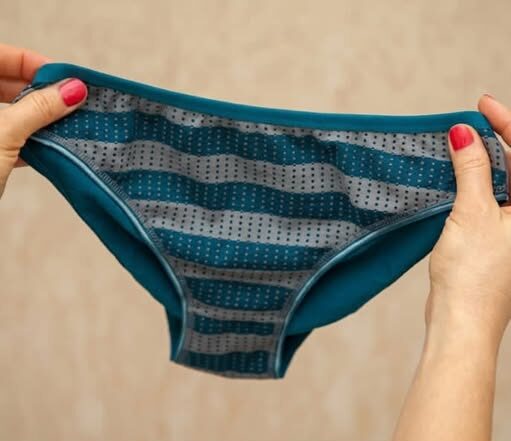
Why Rewearing Underwear Can Create Unwanted Hygiene and Skin Problems
Daily changes, breathable fabrics, and proper airflow can help reduce moisture, bacteria, irritation, and discomfort in sensitive areas.
Skipping laundry can make rewearing a pair of underwear seem like a harmless shortcut. A garment may look clean after one day, especially when there are no visible stains or noticeable odors.
However, appearance does not reveal everything that remains in the fabric. During normal daily activity, underwear collects sweat, natural body oils, dead skin cells, moisture, and bacteria from the areas it covers.
Putting the same pair on again returns that accumulated material directly to sensitive skin. Even when the fabric feels dry, microscopic debris may still be present between the fibers.
Rewearing underwear once does not guarantee that a health problem will develop. The greater concern arises when the practice becomes regular and the skin is repeatedly exposed to fabric that has not been properly washed.
What Underwear Collects During a Normal Day
Underwear remains in close contact with the body for many hours. Unlike looser outer clothing, it sits against areas where warmth and moisture can build throughout the day.
Perspiration is one of the main substances absorbed by the fabric. Sweat may increase during exercise, warm weather, physically demanding work, or long periods spent in clothing that does not allow enough airflow.
Dead skin cells are also naturally shed onto underwear. This process happens continuously and is not a sign of poor hygiene, but the material still remains trapped in the garment until it is cleaned.
Natural oils and bacteria are transferred to the fabric as well. These substances are normally present on the body, yet they can become more troublesome when moisture, warmth, and repeated wear create conditions that support overgrowth.
A pair that appears acceptable from the outside may therefore hold more residue than expected. Wearing it again places the same mixture of sweat, oils, skin cells, and bacteria back against the body.
Why Warmth and Moisture Matter
Bacteria and yeast tend to thrive in warm, damp surroundings. Underwear can create this kind of environment because it covers parts of the body where ventilation is limited.
When used fabric is worn for another day, it may absorb additional moisture before the original buildup has been removed. This can make the material increasingly uncomfortable and create better conditions for irritation.
The problem may be more noticeable when a person sweats heavily. Exercise, long walks, hot temperatures, and extended periods of sitting can all increase heat and dampness beneath clothing.
Tight garments may add to the issue by reducing airflow and causing the fabric to rub against the skin. Repeated friction can leave the area tender, itchy, or inflamed, particularly when moisture is already present.
Fresh underwear does not eliminate every possible skin or hygiene concern. It does, however, remove a layer of previously collected debris and gives the body a cleaner, drier surface at the beginning of the day.
Possible Irritation and Infection Concerns
Regularly rewearing underwear may contribute to bacterial infections, yeast overgrowth, rashes, breakouts, and general skin irritation. These problems do not affect everyone in the same way, but repeated exposure can increase discomfort for people who are already sensitive.
Rashes may develop when damp fabric rubs against the skin for long periods. The combination of friction, sweat, body oils, and bacteria can weaken the skin’s comfort and leave it feeling sore or itchy.
Small breakouts may also appear in areas where pores become irritated or blocked. Because underwear fits closely, the affected skin may continue rubbing against the garment throughout the day.
Yeast overgrowth becomes a concern when heat and moisture remain trapped. Wearing the same fabric again can extend those conditions rather than giving the area a fresh, dry start.
Bacterial problems may also become more likely when unwashed material is repeatedly returned to sensitive areas. Clean underwear helps reduce the amount of accumulated residue placed back against the body.
Persistent itching, burning, pain, unusual irritation, or worsening symptoms should not simply be ignored. Repeatedly changing garments will not replace appropriate attention when discomfort continues.
Different Risks for Women and Men
Anatomy influences how hygiene issues may develop. Women can face a higher risk of urinary tract infections and yeast infections when bacteria, heat, and moisture remain close to sensitive areas.
This does not mean that rewearing underwear will automatically cause an infection. It means the practice can create conditions that are less supportive of healthy hygiene, particularly when combined with sweating or nonbreathable clothing.
Men may be more likely to experience jock itch, chafing, and irritation. Warmth and moisture around the groin can encourage discomfort, while close-fitting fabric may increase rubbing during movement.
Chafing can become especially unpleasant during exercise or physical work. Once the skin is irritated, continued contact with damp or previously worn fabric may make the area feel worse.
Both men and women benefit from keeping the area clean, dry, and well ventilated. A daily change of underwear is a simple way to reduce the amount of old moisture and debris touching the skin.
Why Fabric Choice Makes a Difference
The material used to make underwear can affect airflow and moisture retention. Some fabrics allow heat to escape more easily, while others hold warmth and dampness close to the body.
Cotton is a natural, breathable material that permits better airflow. It can help reduce the hot, enclosed feeling that often contributes to irritation in sensitive areas.
Breathability does not mean cotton underwear can be worn indefinitely without washing. It still collects sweat, oils, dead skin cells, and bacteria during the day and should be changed regularly.
Its advantage is that it generally allows the skin to breathe more effectively than many synthetic alternatives. This can make it a practical choice for everyday wear, especially for people who frequently experience irritation.
Polyester and nylon may trap more heat and moisture. When airflow is limited, the inside of the garment can remain warm and damp, producing conditions that support bacterial and yeast growth.
Synthetic fabrics may feel smooth or lightweight, but those qualities do not always mean they are the most breathable option. The effect becomes more important when the garment is tight, worn for long hours, or used during activities that cause sweating.
Rewearing synthetic underwear can be particularly uncomfortable because yesterday’s residue may be combined with another day of trapped moisture. A fresh pair made from breathable material offers a cleaner and more comfortable alternative.
When Rewearing May Seem Less Risky
There are circumstances in which someone may believe a second wear is unlikely to cause a problem. A person who stayed at home, remained inactive, and did not sweat heavily may feel that the garment is still clean enough.
Under those limited conditions, the amount of moisture and debris may be lower than it would be after exercise, commuting, physical work, or a hot day. Even so, the fabric has still been in prolonged contact with the body.
The absence of odor does not prove that bacteria, oils, or dead skin cells are absent. Smell is only one sign of use and should not be treated as a complete hygiene test.
A single instance may not lead to noticeable consequences, but making it a routine can gradually increase the likelihood of irritation. Daily replacement remains the more reliable habit.
Rewearing should be avoided after sweating, working out, spending time in high temperatures, or noticing any dampness. In those situations, the fabric has had more opportunity to collect moisture and support microbial growth.
Daily Changes Support Better Hygiene
Changing underwear every day is a basic hygiene practice that helps remove accumulated sweat, oils, skin cells, and bacteria. It also provides an opportunity to begin the day with dry fabric against the skin.
Some people may need to change more than once in a day. A fresh pair after exercise, heavy sweating, or other activities can prevent damp underwear from remaining against the body for hours.
Clean underwear can also improve comfort and confidence. Dry, breathable fabric is less likely to feel sticky, itchy, or irritating during ordinary movement.
Daily changes are most effective when paired with proper washing. Cleaning removes the material that cannot be seen and prepares the garment for safe reuse.
Rotating through enough pairs can make the habit easier to maintain. When clean underwear is readily available, there is less temptation to reuse a worn pair simply to postpone laundry.
Allowing the Skin to Breathe Overnight
Sleeping without underwear may provide additional airflow after the body has been covered throughout the day. This can help reduce trapped heat and give sensitive skin a chance to remain drier overnight.
More ventilation can be particularly helpful for people who are prone to moisture-related discomfort. Removing close-fitting fabric may decrease rubbing and prevent warmth from building while sleeping.
This practice is not presented as a guaranteed solution for infections or ongoing irritation. Its purpose is simply to improve airflow and reduce the amount of time the area remains enclosed.
Comfort should guide the choice. The key principle is to avoid spending unnecessary hours in damp, tight, or previously worn garments when the skin could instead remain clean and ventilated.
A Small Habit With Practical Benefits
Rewearing underwear may save one item from the laundry basket, but the convenience comes with avoidable hygiene concerns. The garment collects microscopic material throughout the day even when it still looks clean.
Repeated use can return sweat, oils, dead skin cells, and bacteria to areas that are vulnerable to irritation. Warmth, moisture, friction, and poor airflow can then create conditions that encourage rashes, chafing, yeast overgrowth, or bacterial problems.
Women may face greater concern about urinary tract and yeast infections, while men may experience jock itch and chafing more often. These differences make regular hygiene important for everyone, regardless of anatomy.
Fabric selection can further influence comfort. Breathable cotton supports airflow, while polyester and nylon may trap more moisture and heat against the body.
A second wear after a quiet, sweat-free day may not always cause a noticeable problem, but it should remain an exception rather than a routine. Changing underwear daily is the safer and more hygienic standard.
Fresh garments, breathable materials, changes after sweating, and overnight airflow are simple measures that can reduce unnecessary discomfort. What appears to be a small laundry decision can make a meaningful difference in daily cleanliness, skin comfort, and personal confidence.