
Recognizing Stroke Symptoms Early and Why Immediate Action Matters
Understanding How Strokes Occur
Many people think of strokes as sudden medical emergencies that appear without any prior indication. In many cases this perception is accurate, because strokes often develop quickly and require immediate medical attention.
A stroke occurs when blood flow to a part of the brain is interrupted or when a blood vessel in the brain ruptures. Without a steady supply of oxygen and nutrients carried by the blood, brain cells begin to suffer damage.
Because brain tissue is extremely sensitive to changes in blood supply, even a short interruption can cause serious consequences. This is why rapid recognition of symptoms and immediate medical care are so important.
Although strokes can occur suddenly, some individuals may experience warning signs that signal a potential problem with blood flow to the brain. Recognizing these symptoms and taking them seriously can help people seek medical care quickly.
Sudden Weakness or Numbness on One Side of the Body
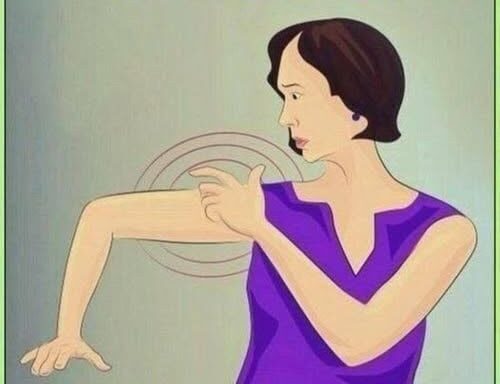
One of the most well-known stroke symptoms is sudden weakness or numbness affecting one side of the body. This sensation may involve the arm, leg, face, or hand.
In many situations, people first notice that a limb feels unusually heavy or difficult to control. Tasks that normally feel simple, such as holding an object or lifting an arm, may suddenly become challenging.
These symptoms often affect only one side of the body because strokes typically impact specific areas of the brain responsible for controlling movement and sensation.
The change may occur quickly and without explanation. A person may feel that their arm or leg is not responding the way it normally would.
Because the sensation can appear unexpectedly, it is important not to ignore it. Sudden weakness or numbness should always be treated as a potential medical emergency.
Changes in Vision That Appear Suddenly
Vision problems can also occur during a stroke or when blood flow to certain parts of the brain becomes disrupted. These issues may involve blurred vision, double vision, or difficulty seeing clearly.
In some cases, a person may notice that their vision becomes hazy or distorted. Objects may appear unclear or doubled.
Sometimes vision problems affect only one eye, while other times both eyes may be involved. The changes may occur suddenly and may be accompanied by other neurological symptoms.
Even brief visual disturbances can be important signals that something is wrong. Because vision is controlled by several areas of the brain, changes in sight can reflect problems with brain circulation.
Sudden vision problems should always be taken seriously, especially when they occur alongside other symptoms such as weakness, confusion, or difficulty speaking.
Severe or Unusual Headaches
Headaches are a common experience for many people. Stress, dehydration, fatigue, and other everyday factors can trigger headaches.
However, a sudden and unusually severe headache can sometimes signal a more serious condition. When a headache appears abruptly and feels significantly different from typical headaches, it may require medical attention.
Some individuals describe this type of headache as intense and unexpected. The discomfort may appear rapidly and feel stronger than previous headaches.
In certain situations, the headache may be accompanied by other symptoms such as nausea, sensitivity to light, or confusion.
If a headache feels very unusual or occurs together with neurological symptoms, it is important to seek medical care as soon as possible.
What Happens During a Stroke
To understand why these symptoms occur, it helps to know what happens inside the body during a stroke. The brain relies on a continuous supply of oxygen-rich blood to function properly.
When blood flow becomes blocked or a blood vessel ruptures, the affected brain cells begin to lose oxygen. Without oxygen, these cells cannot perform their normal functions.
As the damage progresses, the body may display symptoms depending on which part of the brain is affected. Areas responsible for movement, speech, vision, or coordination may stop working normally.
This is why stroke symptoms often involve difficulty moving, speaking, or seeing clearly. Each symptom reflects disruption in a specific region of the brain.
Immediate medical care is essential because early treatment can help reduce damage and improve recovery outcomes.
Temporary Stroke-Like Symptoms
Some individuals experience a temporary event known as a transient ischemic attack. This condition produces symptoms similar to those of a stroke but usually lasts for a shorter period.
The symptoms may resolve within minutes or hours, which can make the situation appear less serious. However, these events still require urgent medical evaluation.
A transient ischemic attack indicates that blood flow to the brain has been disrupted temporarily. It may signal a higher risk of a future stroke if the underlying cause is not addressed.
Even if symptoms disappear quickly, medical professionals should evaluate the situation to identify possible risk factors and determine appropriate treatment.
Early medical care can help reduce the likelihood of more severe complications later.
Why Symptoms Should Never Be Ignored
One of the greatest challenges with stroke awareness is that people sometimes dismiss early symptoms. Because the sensations may seem mild or temporary, individuals may assume they will resolve on their own.
A person may attribute weakness to fatigue or believe that blurred vision is caused by tired eyes. Others may assume that headaches are simply related to stress or dehydration.
While these explanations can sometimes be correct, sudden neurological symptoms should always be taken seriously. Delaying medical care can allow a dangerous condition to worsen.
Seeking medical attention quickly gives healthcare professionals the opportunity to identify the cause and provide appropriate treatment.
Prompt evaluation can also help prevent complications and protect long-term brain health.
Recognizing Stroke Symptoms Quickly
Healthcare professionals often use the acronym FAST to help people remember the most common stroke symptoms.
The letter F stands for face drooping. One side of the face may appear uneven or droop when a person tries to smile.
The letter A represents arm weakness. A person may have difficulty lifting one arm or may notice that one arm drifts downward.
The letter S refers to speech difficulty. Speech may become slurred, slow, or difficult to understand.
The letter T stands for time. If any of these symptoms appear, it is essential to contact emergency services immediately.
Stroke Risk Factors to Be Aware Of
Although strokes can affect anyone, certain factors can increase the likelihood of experiencing one. High blood pressure is among the most significant contributors.
Other health conditions, including diabetes and circulatory problems, can also affect blood vessels and increase stroke risk.
Lifestyle choices may also influence risk levels. Smoking, chronic stress, and poor health habits can place additional strain on the cardiovascular system.
In some cases, genetics may also play a role. A family history of stroke or cardiovascular disease may increase an individual’s overall risk.
Understanding these factors can encourage people to take steps that support long-term health and reduce the chance of serious medical events.
The Importance of Acting Quickly
When it comes to stroke symptoms, time is extremely important. Brain cells begin to suffer damage within minutes when blood flow is disrupted.
Rapid treatment can help restore circulation and limit the extent of injury to brain tissue. Early medical intervention can also improve recovery outcomes.
For this reason, any sudden neurological symptom should be treated as an emergency. Seeking medical care immediately can help protect brain function and overall health.
Recognizing stroke symptoms and responding quickly can make a significant difference. Quick action helps ensure that individuals receive the care they need as soon as possible.
Awareness, attention to symptoms, and prompt medical care remain the most effective ways to respond to one of the most serious medical emergencies affecting the brain.