
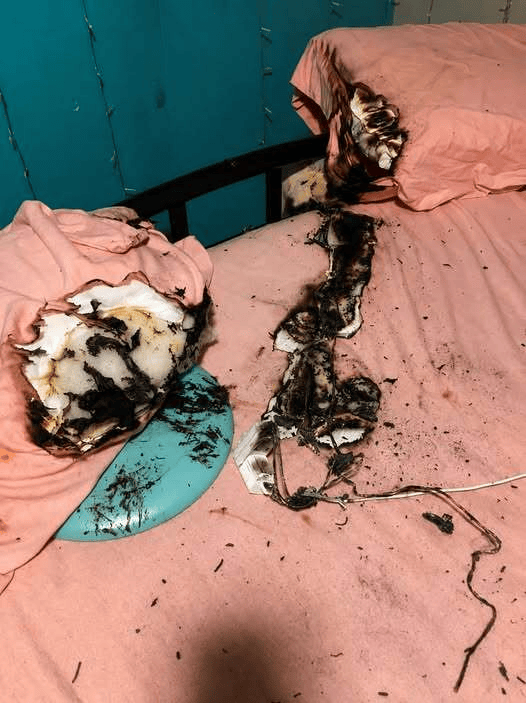
Why Charging Your Phone on a Bed or Under a Pillow Can Become a Serious Fire Hazard
A Common Nighttime Habit With Hidden Risks
Cellphones have become a constant part of everyday life. Many people use them from the moment they wake up until the final minutes before going to sleep.
Because phones are used so frequently, charging them overnight often seems like the most convenient choice. A device can remain plugged in for several hours and be fully powered by morning.
The problem is not necessarily charging a phone at night. The greater concern is where the device and charger are placed while the battery is being replenished.
Many people keep their phones close to them while sleeping. Some place the device beside their body, on top of the bedding, or directly underneath a pillow.
Although this may feel harmless, it can prevent heat from escaping properly. A phone, charging cable, or power adapter that becomes covered by blankets or pillows may grow increasingly warm throughout the night.
Soft bedding can trap that heat around the device. If the temperature continues to rise, the situation may create a serious fire risk.
Why Beds and Pillows Are Unsafe Charging Surfaces
Phones and chargers naturally generate some heat during use. Under normal conditions, that warmth can move into the surrounding air and dissipate.
A hard, open surface allows heat to escape more effectively. Bedding, cushions, and upholstered furniture can have the opposite effect.
When a phone is placed under a pillow, the fabric surrounds the device and restricts airflow. The same problem can occur when a charger is buried beneath a blanket or pushed between a mattress and a wall.
The trapped heat may continue building while the person sleeps. Because the device is often left unattended for hours, early warning signs can easily go unnoticed.
A person who is awake may notice that a charger feels unusually hot, smells strange, or begins making an unexpected sound. Someone who is sleeping may not recognize the problem until smoke or flames have already developed.
Beds also contain materials that can burn quickly. Sheets, blankets, pillows, mattress covers, and clothing can all provide fuel if a damaged or overheated charger produces a spark.
This combination of trapped heat, limited supervision, and flammable fabric makes a bed one of the worst places to charge an electronic device.

Children and Teenagers May Face Greater Exposure
The habit is especially common among children and teenagers who keep phones or tablets close throughout the night.
More than half of young device users may charge a phone or tablet either on a bed or under a pillow. This places a large number of families at risk without many of them realizing it.
Young people may use their devices late into the evening and then connect them to a charger without moving them away from the sleeping area.
A child may place a phone beneath a pillow to keep it nearby, hide the screen light, or avoid losing it during the night. A tablet may be left under a blanket after a video, game, or conversation ends.
Parents may assume the device is safe simply because it is not actively being used. However, charging can still create heat even when the screen is off.
The danger becomes more serious when the charging device is covered by thick bedding. The heat has fewer opportunities to escape, while the surrounding material remains close to the charger for several hours.
Families should make charging locations clear and consistent. Phones and tablets should be placed on a stable surface away from pillows, blankets, and other fabric.
The Importance of Using a Hard, Open Surface
A safer charging area should be firm, uncovered, and well ventilated. A desk, table, shelf, or other hard surface is generally more appropriate than a bed or couch.
The device should remain visible and should not be covered while connected to power. Air should be able to circulate around the phone, cable, and adapter.
Keeping the charger away from clutter is also important. Papers, clothing, tissues, and other easily ignited materials should not be piled around the charging area.
The surface should be stable enough that the phone cannot fall behind furniture or become wedged between cushions. Hidden spaces can trap heat and make it harder to notice a developing problem.
Charging on a hard surface is a simple change, but it can significantly reduce unnecessary danger. It allows warmth to disperse and keeps the device away from materials that may catch fire.
The charging location should also be away from water and areas where the cable may be stepped on, bent sharply, or damaged.
Damaged Chargers Can Increase the Risk
The condition of the charger matters just as much as the surface on which it is used.
Cables are often pulled, twisted, bent, or trapped under furniture. Over time, the protective outer covering may split or begin to fray.
A worn cable may expose internal wiring or create an unstable electrical connection. This can increase the possibility of sparking, overheating, or failure.
Power adapters can also become damaged after repeated use. Cracks, loose parts, dark marks, unusual odors, or excessive heat should never be ignored.
A charger that appears worn out should be replaced rather than repaired with tape and returned to regular use. Temporary fixes may hide visible damage without correcting the electrical problem underneath.
Old or damaged accessories may be especially dangerous when left operating overnight. A small fault can become much more serious when it remains unnoticed for hours.
Regularly inspecting charging cables and adapters can help prevent problems before they develop into emergencies.
Warning Signs That Should Not Be Ignored
A charger should be disconnected if it becomes unusually hot during normal use. Mild warmth can occur, but excessive heat may indicate a problem with the device, cable, adapter, outlet, or charging conditions.
A burning smell, buzzing sound, visible spark, melted plastic, or discoloration around the plug requires immediate attention.
The phone itself should also be checked. A swollen battery, damaged casing, or device that becomes extremely hot while charging should not remain plugged in.
Charging accessories should fit securely into the phone and electrical outlet. Loose connections can create inconsistent contact and may increase heat around the plug.
Repeatedly ignoring small warning signs can allow damage to worsen. Replacing a questionable charger is far safer than continuing to use it until complete failure occurs.
People should also avoid placing heavy objects on charging cables. Pressure can weaken the cable internally even when the outside does not appear seriously damaged.
Why Overnight Charging Requires Extra Care
Overnight charging presents a unique concern because the device remains connected while everyone in the home may be asleep.
During the day, a person is more likely to notice heat, smoke, a strange smell, or an electrical issue. At night, the same signs may continue for longer before anyone becomes aware of them.
A phone under a pillow may also be extremely close to the user’s head and face. If the device overheats or the bedding begins to burn, the person has very little distance from the source of danger.
Keeping the phone on a nearby table preserves convenience without placing it directly in the sleeping area. It can still be used as an alarm while remaining uncovered on a safer surface.
The cable should be positioned so it does not run beneath the mattress, rug, or bedding. It should also not stretch across a walkway where someone may trip or pull the charger from the outlet.
Simple placement decisions can make overnight charging far safer without requiring people to stop charging their devices while they sleep.

Unplugging the Device Does Not End Every Risk
Removing a phone from the charger reduces the immediate heating associated with charging, but safe handling should continue after the device is disconnected.
A charger should not be left buried under blankets or cushions simply because the phone is no longer attached. The adapter may remain connected to the electrical outlet and can still be damaged or exposed to pressure.
Charging cables should be stored where they are not repeatedly bent, crushed, or pulled. Proper storage can extend their useful life and reduce the chance of hidden wear.
The phone should also be kept away from direct heat sources and enclosed spaces that may cause the battery temperature to rise.
Users should pay attention to how the device behaves during normal use. Repeated overheating may signal that the phone or battery needs professional attention.
Good charging habits involve more than choosing the correct surface. They include inspecting accessories, maintaining airflow, avoiding damaged equipment, and responding quickly to warning signs.
Creating Safer Charging Habits at Home
Every household can establish a designated charging station in an open area. This helps keep devices away from beds and makes it easier to inspect cables and adapters.
Families with children can place the charging station outside bedrooms or on a desk where phones remain visible and uncovered.
This arrangement can also discourage children from sleeping with a phone beneath a pillow. Devices remain available in the morning without being pressed against bedding throughout the night.
Parents should explain that the rule is not only about limiting screen time. It is also intended to reduce the danger created by heat and damaged charging equipment.
Each family member should know to report a charger that feels too hot, looks frayed, or behaves unusually. Damaged accessories should be removed from use immediately.
Spare chargers should be inspected as carefully as the ones used every day. A cable stored in a drawer for months may already be bent or damaged when it is used again.
A Small Change That Can Protect an Entire Household
Charging a phone is such a routine activity that many people rarely consider it a possible safety issue.
Yet placing a connected device beneath a pillow or on soft bedding can create the conditions for dangerous heat buildup. The risk becomes greater when the charger is worn, the cable is damaged, or the device remains unattended overnight.
The safest response is straightforward. Phones, tablets, and laptops should be charged on hard, open surfaces where heat can escape.
They should never be covered with pillows, blankets, clothing, or couch cushions while connected to power.
Charging accessories should be checked frequently and replaced at the first sign of serious wear. Frayed cables, cracked adapters, loose connections, and excessive heat should not be treated as minor inconveniences.
These precautions take only a few moments, but they can prevent a routine charging session from becoming a household emergency.
Keeping devices away from beds is particularly important in homes with children and teenagers. Clear charging rules can protect young users who may not recognize the danger of trapped heat.
A phone can still remain nearby overnight without being placed under a pillow. Moving it to a bedside table or designated charging station provides convenience while reducing unnecessary risk.
The location of a charger may seem like a small detail, but it can have serious consequences. Choosing a safe surface, maintaining the equipment, and keeping the device uncovered can help protect both property and lives.