
Steve Harvey’s Journey From Poverty and Homelessness to Worldwide Television Success
A Childhood Defined by Poverty and Limited Comfort
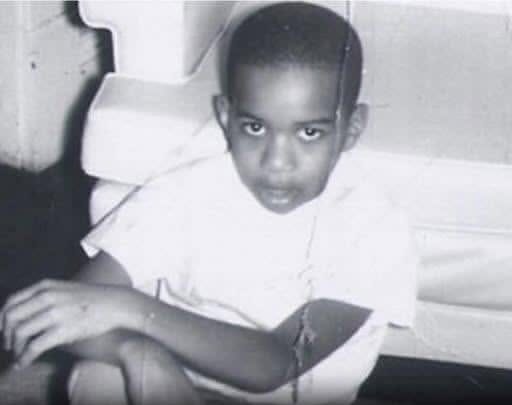
Long before Steve Harvey became one of the most recognizable entertainers on television, he experienced a childhood shaped by extreme poverty, instability, and limited access to basic comforts. His early years offered little indication that he would eventually build a career reaching audiences around the world.
His family moved from West Virginia to Cleveland while searching for better opportunities and a more secure future. The move represented hope, but it did not immediately remove the financial struggles that had defined his early life.
One of Harvey’s clearest childhood memories came when he was five years old and saw a flushing toilet for the first time. For many children, such an object would have seemed ordinary, but for him, it symbolized a level of comfort that had been absent from his earliest surroundings.
The memory remained powerful because it showed how far his childhood environment was from the basic conveniences many families took for granted. It also became a lasting reminder of the difficult conditions from which his later achievements emerged.
Moving to Cleveland in Search of Opportunity
Relocating to Cleveland was an important chapter in Harvey’s early life. His family was trying to move toward a more promising future, but the transition did not guarantee immediate financial security or personal success.
He continued growing up with the awareness that progress often required sacrifice. The challenges surrounding his family helped shape his understanding of work, survival, and the importance of continuing forward even when improvement seemed slow.
These early experiences gave him a close view of what it meant to live without certainty. Comfort was not guaranteed, opportunities were limited, and every step toward a better life required persistence.
Years later, those memories would become part of the perspective he brought to his public career. His success was built not only on talent, but also on a deep familiarity with hardship and the effort required to rise beyond it.
Academic Struggles and a Severe Stutter
School did not provide Harvey with an easy escape from the problems he faced at home. He struggled academically and eventually flunked out, adding another setback to a young life already marked by difficulty.
His academic challenges could have reinforced the belief that he was not capable of achieving anything significant. Instead of receiving clear signs that he was destined for success, he repeatedly encountered experiences that made his future appear uncertain.
Harvey also lived with a severe stutter, which made speaking in front of others frightening. Public communication, which would later become central to his career, was once one of the most intimidating parts of his life.
The stutter created an obstacle that affected both his confidence and his ability to express himself freely. For someone who would eventually make a living through conversation, storytelling, comedy, and television hosting, the condition presented a particularly difficult personal barrier.
At that stage, there was no obvious path from his fear of speaking to a future on major television programs. His struggles in the classroom and his speech difficulties placed him far from the image of the confident entertainer he would later become.
Years of Difficult and Low-Paying Work
Before Harvey discovered a sustainable career in entertainment, he worked a series of physically demanding and low-paying jobs. These positions offered income, but they did not provide the sense of purpose or stability he was searching for.
The work was grueling, and progress remained difficult. Each job became another stage in a long period of uncertainty as he tried to support himself and find a direction that could lead to something more meaningful.
Rather than moving quickly toward fame, Harvey spent years experiencing the kind of exhausting routine familiar to many people living from one paycheck to the next. His later success came only after an extended period in which the future remained unclear.
The repeated disappointments tested his patience and his willingness to continue. There were few signs that the difficult jobs and constant struggle would eventually lead him toward a career in comedy and television.
Those years also gave him direct experience with working people, financial pressure, rejection, and the daily effort required simply to keep going. These realities would later give his comedy a sense of familiarity and emotional honesty.
Homelessness, Hunger, and Constant Rejection
Harvey’s situation became even more difficult when he experienced homelessness. Without a stable place to live, he slept in his car while continuing to pursue opportunities and searching for a way forward.
Living in a vehicle placed him in a position where privacy, safety, rest, and comfort were all uncertain. At the same time, he faced hunger and repeated rejection, creating a period in which both his physical and emotional endurance were severely tested.
The rejection was not occasional. It became part of his daily reality as he attempted to build a future in an industry that offered no guarantees.
Each unsuccessful attempt could have persuaded him to abandon the goal entirely. With no dependable home and limited resources, continuing to pursue comedy required confidence that had not yet been validated by public success.
His circumstances showed how distant he still was from the television studios, large audiences, and financial security that would later define his public image. During this period, survival came before recognition.
Homelessness was not simply an uncomfortable interruption in his career. It was a serious personal crisis that forced him to continue working toward his goal while lacking many of the basic conditions that make professional progress possible.
Turning Personal Pain Into Comedy
Over time, Harvey’s perspective began to change. Instead of viewing his painful experiences only as evidence of failure, he started transforming them into stories that could connect with other people.
Comedy gave him a way to organize the hardship he had lived through and present it with humor, honesty, and emotional force. Experiences that had once caused embarrassment, fear, or disappointment became material he could use on stage.
This shift was important because it allowed him to turn personal suffering into something productive. His stories were shaped by real struggle, giving him a foundation that could not be created through performance training alone.
As he continued developing his voice, his confidence increased. He learned how to command attention, structure his experiences into engaging stories, and communicate with audiences who recognized the truth beneath the humor.
His comedy became more than an effort to make people laugh. It represented his ability to take control of a past that had once seemed capable of limiting his entire future.
Overcoming His Fear of Public Speaking
One of the most remarkable parts of Harvey’s development was the change in his speech. As his confidence grew through performance, the severe stutter that had made public speaking terrifying began to fade.
The same person who had once struggled to speak comfortably in front of others gradually built a career based on speaking to large audiences. His progress showed how confidence, practice, and determination could reshape an ability that had once appeared permanently restricted.
Standing on a comedy stage required him to confront one of his deepest fears repeatedly. Every performance became another opportunity to move beyond the limitations that had followed him since childhood.
His voice eventually became one of his strongest professional tools. Through it, he delivered jokes, told stories, hosted television programs, interviewed guests, and connected with viewers across different backgrounds.
The disappearance of his stutter was closely connected to his broader transformation. As he stopped seeing himself only as the struggling student and rejected worker, he began speaking with the confidence of someone who believed his experiences had value.
Breaking Through in Stand-Up Comedy
Harvey’s growing confidence helped him establish himself in stand-up comedy. The career did not erase his earlier hardships, but it gave those hardships a new meaning and a wider audience.
His ability to convert difficult memories into relatable humor became an important strength. He could speak about struggle from personal experience rather than from a distance.
Stand-up demanded discipline, consistency, and resilience. Success depended on his willingness to continue performing even after years of rejection and instability.
As his reputation grew, comedy opened doors that had once seemed unreachable. The man who had slept in his car began moving toward a professional life in which his personality, voice, and storytelling ability were his greatest assets.
The breakthrough was not the result of a sudden escape from hardship. It was the outcome of gradual improvement, repeated effort, and the decision to keep working despite having little evidence that success was certain.
Conquering Television and Reaching Global Fame
Harvey eventually moved beyond stand-up comedy and established himself on television. His confidence in front of audiences allowed him to succeed in a medium that required quick thinking, strong communication, and a memorable public presence.
Television introduced him to a much larger audience. His career expanded from comedy stages to programs watched by viewers across the world.
His public identity became closely connected with humor, conversation, and his ability to interact naturally with people. The speech difficulties that once made him afraid to speak were replaced by a commanding and recognizable communication style.
Global fame brought a level of success that contrasted sharply with his childhood poverty. The boy who had been amazed by a flushing toilet became a respected entertainer known internationally.
His rise also challenged the judgments that had surrounded his early failures. Academic struggles, low-paying jobs, homelessness, and rejection did not become the final definition of his life.
Instead, they became part of a larger story about endurance. Harvey’s career demonstrated that a difficult beginning does not determine the limits of what a person can eventually achieve.
Success Beyond His Professional Career
At 68, Harvey is recognized as a successful television icon whose career has stretched far beyond his beginnings in poverty. His professional achievements reflect decades of work, persistence, and adaptation.
His personal life has also become an important part of his identity. He is a devoted husband and a grandfather to seven grandchildren.
These roles represent another form of success beyond fame and entertainment. His family life stands alongside his career as evidence of the stability he was able to build after years marked by uncertainty.
The contrast between his childhood and adulthood is significant. His early life was shaped by limited comfort, financial hardship, fear, and rejection, while his later years brought recognition, family, and lasting professional influence.
A Legacy Built by Refusing to Accept Defeat
Harvey’s life story is not a simple tale of instant discovery. It is a long journey through poverty, educational failure, speech difficulties, exhausting work, homelessness, hunger, and rejection.
Each stage could have become a reason to stop. Instead, he continued searching for a path that allowed him to use his experiences rather than remain trapped by them.
His transformation began when he found a way to turn pain into comedy. That change helped him build confidence, overcome his fear of speaking, and develop the voice that eventually carried him into television.
His achievements do not erase the seriousness of what he endured. They show that the meaning of failure can change when a person continues working after disappointment.
Harvey’s journey from an impoverished and underestimated child to a globally known entertainer has become a reminder that early setbacks do not have to become permanent outcomes. His life reflects the possibility of rebuilding confidence even after repeated defeat.
The central lesson of his story is that failure does not have to be final. Through persistence, effort, and the determination to outwork the limitations of his past, Steve Harvey created a legacy far larger than the circumstances into which he was born.