
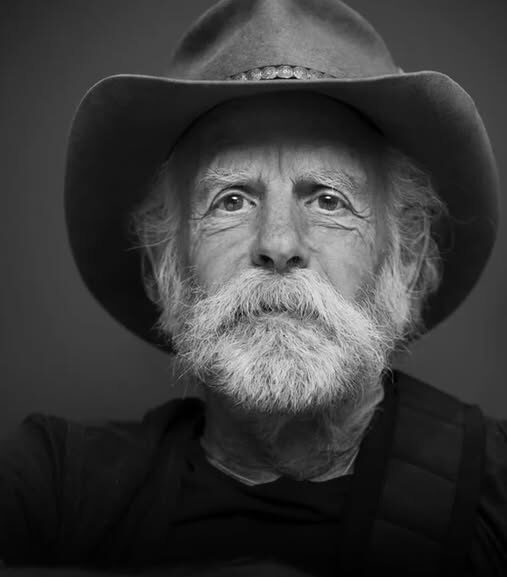
Bob Weir, Grateful Dead Co-Founder and Enduring Rock Icon, Dies at 78
Music World Mourns an Influential American Guitarist
Music fans around the world are mourning the death of Bob Weir, the legendary musician who helped create the Grateful Dead and remained one of the group’s most recognizable figures for more than six decades.
Weir died peacefully on January 10, 2026, at the age of 78. His passing closes a remarkable chapter in American rock history and leaves generations of listeners reflecting on the music, performances, and creative spirit that defined his life.
His family shared that he spent his final moments surrounded by loved ones. Weir had received a cancer diagnosis during the summer and had courageously overcome the illness, but underlying lung problems eventually led to his death.
For countless fans, Weir represented far more than a famous guitarist. He was a tireless performer, songwriter, bandleader, and musical explorer who devoted nearly his entire adult life to keeping the Grateful Dead’s extraordinary body of work alive.
A Musical Journey That Began in His Teenage Years
Weir’s path toward rock history began when he was only 17 years old. In 1964, he helped establish a band called the Warlocks alongside Jerry Garcia and Pigpen.
The group soon developed into the Grateful Dead, a band whose unconventional sound, extended live performances, and devoted following would make it one of the most influential acts in American music.
While many musicians passed through the Grateful Dead during its long career, Weir became one of the very few individuals connected to every performance. His presence provided a vital sense of continuity as the band’s music evolved through changing eras and styles.
He grew from a young musician still discovering his voice into a central creative force. His rhythm guitar became an essential part of the band’s sound, adding movement, texture, and harmonic detail beneath Garcia’s lead playing.
Weir’s development was not always smooth. Creative disagreements within the group briefly resulted in his dismissal in 1968, but the separation did not last.
He returned and ultimately proved impossible to replace. The experience became only a brief interruption in a musical partnership that would continue for decades.
A Distinctive Approach to Rhythm Guitar
Weir developed a guitar style that stood apart from the conventional rhythm playing common in rock music. Instead of relying only on basic chord patterns, he created intricate musical shapes that gave the Grateful Dead’s songs additional depth.
His unusually long fingers helped him perform complex chord voicings that many guitarists would have found difficult to reproduce. These distinctive formations allowed him to occupy a unique space between rhythm and lead guitar.
Rather than simply supporting the melody, Weir often created shifting harmonic structures that interacted directly with the other musicians. His playing could be subtle, forceful, unpredictable, or spacious, depending on the direction of a performance.
Garcia recognized the importance of Weir’s contribution. The harmonics and rhythmic ideas produced by Weir helped inspire the direction of Garcia’s celebrated solos, creating a musical relationship in which each guitarist responded to the other.
This interaction became especially important during the Grateful Dead’s extended live improvisations. Weir’s chords gave Garcia a constantly changing foundation while helping the entire band move together through long, spontaneous passages.
His musicianship was only one part of his stage identity. Weir also embraced the role of the group’s charismatic “rock star,” bringing confidence, humor, energy, and a commanding presence to performances.
The Voice Behind Grateful Dead Favorites
Weir helped shape many songs that became permanent parts of the Grateful Dead’s legacy. As both a writer and lead vocalist, he gave the band a creative personality that complemented Garcia’s work while remaining unmistakably his own.
He co-wrote and sang lead on enduring favorites such as “Sugar Magnolia,” “One More Saturday Night,” and “Mexicali Blues.” These songs became familiar anthems for Deadheads and remained central to live performances over many years.
His vocal delivery could move from relaxed storytelling to full-throated rock energy. That range allowed him to lead songs with very different moods while maintaining a recognizable personality.
“Sugar Magnolia” became one of the group’s most beloved compositions, celebrated for its warmth and uplifting spirit. “One More Saturday Night” captured the excitement of live rock music, while “Mexicali Blues” reflected the narrative quality that appeared throughout Weir’s songwriting.
Together, these works demonstrated his ability to create memorable characters, energetic choruses, and songs that became more powerful when performed before an audience.
Weir understood that Grateful Dead music was not limited to studio recordings. The songs continued to change onstage, gaining new meanings through improvisation and the shared experience between the musicians and their listeners.
Carrying the Music Forward After 1995
The Grateful Dead formally disbanded in 1995 after the death of Jerry Garcia. For Weir, however, the end of the original group did not mean the end of its music.
He remained determined to perform, reinterpret, and preserve the songs that had shaped his life. Over the following three decades, he maintained a demanding touring schedule through several musical projects.
RatDog became one of his major post-Grateful Dead outlets, giving him space to revisit familiar material while also exploring new arrangements. He later continued his journey through Furthur, Wolf Bros, and Dead & Company.
Each group offered a different setting for the music. Some performances emphasized rock energy, while others introduced broader influences, smaller arrangements, or more expansive instrumental combinations.
Through these projects, Weir helped introduce the Grateful Dead songbook to listeners who had never experienced the original band. Younger fans were able to hear the material performed live while longtime Deadheads remained connected to songs that had accompanied them for decades.
His commitment was not based on nostalgia alone. Weir treated the music as a living tradition, capable of being rearranged, reexamined, and expanded through each new performance.
That philosophy helped ensure that the Grateful Dead’s work did not become frozen in the past. Under Weir’s guidance, it continued to grow through new collaborations and new generations of musicians.
A Life of Exploration Beyond the Stage
Weir’s interests extended beyond the familiar boundaries of rock music. Throughout his career, he remained curious about different genres, arrangements, and performance styles.
He explored jazz-rock fusion and participated in large symphonic collaborations, demonstrating a continuing desire to place familiar songs in unexpected musical settings.
This willingness to experiment reflected the same adventurous approach that had defined the Grateful Dead. Weir rarely appeared satisfied with repeating a song in precisely the same form night after night.
Instead, he searched for new interpretations and encouraged the musicians around him to listen, react, and take creative risks.
His compassion also extended beyond music. Weir became known for supporting animal rights and environmental causes, using his public profile to draw attention to issues he considered important.
Those efforts reflected a deeply caring side of his personality. Friends, collaborators, and fans recognized a man who combined the freedom of a lifelong musician with concern for the world around him.
Even after decades of success, he remained active and forward-looking. He continued to perform, collaborate, and explore rather than withdrawing from the demanding life of a touring artist.
Final Performances Reflected His Determination
Weir’s final months offered a powerful example of the resilience that had characterized his career. After receiving his cancer diagnosis during the summer, he continued moving forward with remarkable determination.
Only weeks later, he appeared during a three-night celebration marking the Grateful Dead’s 60th anniversary at Golden Gate Park.
The performances carried enormous emotional weight. They honored six decades of music while allowing Weir to stand once again before the community that had supported him since the band’s earliest days.
For many fans, those shows became an unforgettable final gift. Weir’s appearance demonstrated his dedication to the songs and to the listeners who had followed his journey across generations.
His willingness to return to the stage after facing a serious diagnosis reflected the strength that had kept him performing through personal loss, changes in the music industry, and the death of close collaborators.
He had already survived the end of the original Grateful Dead and spent decades building new paths for its music. His final performances continued that lifelong pattern of perseverance.
An Enduring Songbook and a Multigenerational Legacy
Weir often looked beyond his own lifetime when discussing the future of the Grateful Dead’s music. His hope for a “three-hundred-year legacy” expressed his belief that the songs could continue long after the original musicians were gone.
That vision now carries even greater meaning. Weir is no longer present to lead the music onstage, but the tradition he helped build remains strong.
The songs continue to be performed, studied, reinterpreted, and shared. Recordings preserve thousands of performances, while the community surrounding the music remains one of the most dedicated in rock history.
His influence can also be heard in the work of guitarists who learned that rhythm playing could be imaginative and independent. Weir showed that a supporting instrument could shape the entire direction of a song without seeking constant attention.
As a songwriter, he created compositions that became woven into the lives of listeners. As a vocalist, he delivered those songs with personality and emotional force.
As a performer, he helped turn concerts into communal experiences in which the audience and musicians appeared to travel through the music together.
Bob Weir’s death leaves a profound absence for his family, collaborators, and the worldwide community of Deadheads. Yet the scale of his achievement ensures that his work will remain present.
From his teenage beginnings with the Warlocks to his final anniversary performances, Weir devoted more than 60 years to a musical idea that resisted limitations. He helped create a body of work that valued freedom, experimentation, connection, and constant renewal.
Although Bobby has taken his final bow, the music he nurtured continues. Its melodies, stories, and improvisational spirit will remain a source of comfort and inspiration, carrying his legacy into generations still to come.