
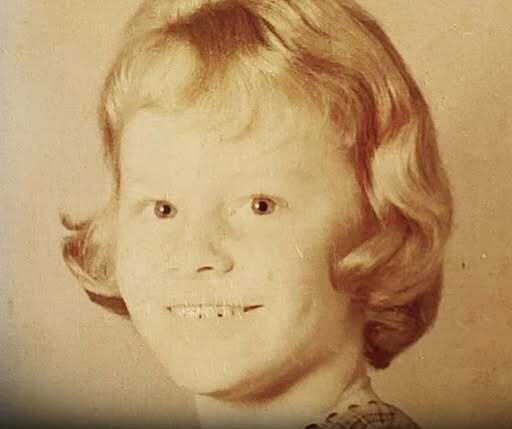
Reba McEntire’s Remarkable Journey From an Oklahoma Ranch to Country Music Royalty
From Ranch Chores and Family Harmonies to Triumph, Tragedy, and an Enduring Country Music Legacy
Reba McEntire’s life story is rooted in determination, family responsibility, music, and the traditions of rural Oklahoma. Long before she became one of country music’s most recognizable performers, she was a hardworking ranch girl learning lessons that would shape her career and character.
At 69, McEntire remains admired for her music, acting, business ventures, and resilience. Her path to success, however, included humble beginnings, professional uncertainty, devastating personal loss, and moments when she questioned whether she could continue singing.
A Childhood Built Around Ranch Work
McEntire was born in McAlester, Oklahoma, in 1955. She spent her childhood on her family’s 8,000-acre ranch in Chockie, a small community in Atoka County.
Daily life revolved around cattle, rodeo traditions, and demanding physical work. Every member of the McEntire family was expected to contribute, including the children.
By the age of five, Reba was already helping her father move through the cattle fields in his truck. Because she was too small to reach the pedals, Clark McEntire placed her on a 50-pound feed sack and put the vehicle into its lowest gear so she could steer.
This was not treated as an unusual adventure. It was simply another ranch responsibility in a household where children learned independence and discipline at an early age.
The McEntire family also had a distinguished rodeo history. Reba’s grandfather, John Wesley McEntire, became a world-champion steer roper in 1934. Her father continued that tradition and won the same championship three times.
A Modest Home and a Demanding Father
Although the family controlled a large ranch, the McEntire children did not grow up surrounded by luxury. Alice, Pake, Reba, and Susie shared a modest gray house with their parents, and all six family members used a single bathroom.
Clark McEntire approached parenting with the same toughness he brought to ranching and rodeo competition. He was not openly affectionate and rarely expressed his feelings with hugs or verbal reassurance.
His love was communicated through responsibility, expectations, and practical lessons. He wanted his children to work hard, remain dependable, and understand that achievement required persistence.
Reba later reflected on the emotional distance she felt as a child. Although she wished her father had expressed affection more directly, she also recognized that his drive and determination became part of her own personality.
Those qualities would eventually help her survive the uncertainty of the entertainment business, where early disappointment and rejection were unavoidable.

Her Mother Brought Music Into the Family
While Clark represented discipline and ranch tradition, Jacqueline McEntire brought warmth, encouragement, and music into the home. She had once dreamed of becoming a country singer but instead worked as a public school teacher, librarian, and secretary.
Jacqueline never lost her love of singing. During long drives to Clark’s rodeo events, she taught her children how to sing in harmony.
The family car became an informal rehearsal room. Reba, Pake, and Susie practiced matching their voices while their mother listened carefully and corrected mistakes.
These lessons gave Reba her musical foundation. She credited her mother with teaching her how to sing, while she believed the strength and volume of her voice came from her father, who needed to call loudly across the ranch.
Reba’s interest in performing appeared early. In first grade, she sang “Away in a Manger” during an elementary school Christmas program.
By fifth grade, she was participating in the 4-H club and won first place in the Junior Act Division with a performance of “My Sweet Little Alice Blue Gown.”
These childhood appearances revealed both her natural ability and her comfort in front of an audience.
The Singing McEntires Take the Stage
Music was only one part of Reba’s active childhood. She played basketball, participated in track, attended summer basketball camps, learned piano and guitar, and trained as a barrel racer.
By high school, singing had become a serious family project. Reba joined Pake and Susie to form The Singing McEntires.
Jacqueline served as their most attentive coach. She could identify when one sibling had moved onto another’s harmony part and would interrupt household work to correct them.
The group began performing at community gatherings, local dances, and other small-town events. Their growing popularity eventually led to the formation of The Kiowa High School Cowboy Band.
The young musicians performed in dance halls and bars in Oklahoma City, sometimes remaining awake until sunrise after shows. The schedule offered Reba an early introduction to the demanding hours associated with professional entertainment.
In 1971, the siblings released “The Ballad of John McEntire,” a regional single honoring their grandfather and his rodeo achievements.
Although the record did not receive national distribution, it represented an important early step. Reba was beginning to move beyond school performances and local family gatherings into recorded music.

College, Ranch Duties, and a Life-Changing Performance
The family group eventually ended as the siblings graduated and pursued different paths. Reba completed her studies at Kiowa High School in 1973.
She enrolled at Southeastern Oklahoma State University, where she majored in elementary education and minored in music. She continued helping on the family ranch while completing her college responsibilities.
Her career changed direction in 1974 when her father encouraged her to perform “The Star-Spangled Banner” at the National Finals Rodeo in Oklahoma City.
Family friend and rodeo announcer Clem McSpadden helped arrange the appearance. Reba accepted the opportunity without knowing that someone important would be listening.
Country performer Red Steagall heard her sing and was impressed by the power of her voice. He later invited Reba and her family to a hotel gathering connected to the rodeo.
During the event, Reba performed Dolly Parton’s “Joshua” without instrumental accompaniment. Jacqueline recognized the significance of the moment and asked Steagall whether he could help her children enter the music business.
Steagall believed Reba possessed a quality that distinguished her from the others. His interest created the opening that would eventually take her to Nashville.
A Mother’s Encouragement Leads to Nashville
In March 1975, Reba and Jacqueline began traveling to Nashville to record a demonstration tape. Reba was nervous about the journey and repeatedly searched for reasons to postpone it.
Jacqueline finally confronted her daughter’s hesitation during the drive. She made it clear that they could turn around if Reba did not truly want a music career, but she also revealed how deeply she believed in her daughter’s potential.
The conversation gave Reba the resolve to continue. The trip became more than a personal ambition; it represented her mother’s postponed dreams and years of encouragement.
Producer Glenn Keener later heard the demo and brought it to PolyGram’s headquarters in Chicago. He was permitted to sign only one female performer and had to choose between Reba and another singer.
He selected Reba’s recording, giving the Oklahoma ranch girl her first major opportunity in the professional music industry.
Early Struggles Before a Major Breakthrough
A recording contract did not produce immediate stardom. Several of Reba’s early singles achieved limited chart success, forcing her to remain patient while developing her sound and public identity.
Her first top-20 hit arrived in 1978 with “I’d Really Love to See You Tonight.” The achievement gave her career important momentum, but her biggest transformation was still ahead.
After signing with MCA Records, she released My Kind of Country in 1984. The album emphasized a more traditional country style and helped distinguish her from the polished trends that were influencing the genre.
The project brought major recognition and helped her earn the Female Vocalist of the Year title. Her success continued as she became a familiar name in country music households.
In 1986, “Whoever’s in New England” reached the top of the charts and earned Reba her first Grammy Award.
The persistence she learned on the ranch had carried her through years of modest results. By the middle of the 1980s, she had developed into one of the genre’s leading performers.
The Plane Crash That Changed Her Life
As Reba’s touring schedule expanded in the late 1980s, private airplanes became a practical way for her team to travel between performances.
That arrangement ended in tragedy in March 1991. A plane crash killed eight members of her band and two pilots.
The loss devastated Reba personally and professionally. The people who died were not simply employees; they were members of the touring family who had shared the demands and experiences of life on the road.
She processed part of her grief through music and dedicated the album For My Broken Heart to those who were lost.
Rather than ending her career, the tragedy became another painful chapter she was forced to survive. She continued recording and performing throughout the 1990s while also expanding into acting.
Her television work introduced her to new audiences, and “I’m a Survivor” became one of the songs closely connected with her public image.

A Successful Return and Continued Reinvention
After spending several years away from releasing a new studio album, Reba returned in 2003 with Room to Breathe.
The album produced the number-one song “Somebody” and led to another successful tour. Her ability to reconnect with listeners demonstrated the durability of her career.
In 2007, Reba: Duets reached the top of the charts. The project paired her with performers from different musical backgrounds and showed her ability to adapt while maintaining her country identity.
Her career continued to include music, acting, touring, business projects, and charitable work. Each new phase allowed her to remain visible without abandoning the values that shaped her childhood.
Honoring Her Father Through Music
Clark McEntire died in 2014 after complications from a stroke. Reba responded to the loss by turning again to music.
She honored him through the video for “Just Like Them Horses,” creating a deeply personal tribute to the father who had taught her discipline, endurance, and responsibility.
Her connection to him had appeared in her work decades earlier. In 1979, she wrote “Daddy,” celebrating Clark and the cowboy and rodeo culture he represented.
Although their relationship was not openly emotional during her childhood, Reba understood how strongly his example influenced her. She inherited his ambition and his determination to succeed.
Her Mother’s Death Made Her Question Singing
Jacqueline McEntire died from cancer in March 2020. The loss affected Reba so deeply that she briefly considered ending her singing career.
While sorting through her parents’ belongings with her sister Susie, Reba admitted that much of her motivation had always been connected to their mother.
Jacqueline had taught the siblings to harmonize, corrected their performances, encouraged their local appearances, and helped Reba travel to Nashville when fear nearly stopped her.
Without her mother, Reba wondered whether singing still had the same purpose. Susie reassured her that the desire to perform would eventually return.
It did. Reba continued making music, carrying forward the influence of the woman who had recognized and nurtured her talent from childhood.
Giving Back to the Community That Shaped Her
Despite decades of success, Reba maintained strong ties to Oklahoma. In 2023, she returned to Atoka and partnered with the Choctaw Nation to open Reba’s Place.
The restaurant and gathering space includes elements of her music career, personal memorabilia, and Southern comfort food.
The project was also designed to support the local community by creating jobs and attracting visitors. It allowed Reba to invest in the region where her work ethic and identity were formed.
Reba’s Place reflects the themes that have remained central throughout her life: faith, family, culture, hospitality, and loyalty to her roots.
A Full-Circle Super Bowl Moment
In 2024, Reba performed “The Star-Spangled Banner” at Super Bowl LVIII.
The appearance carried special meaning because the same anthem had opened the door to her career 50 years earlier at the National Finals Rodeo in Oklahoma City.
Her father’s encouragement led her to that first major performance in 1974. Red Steagall’s presence in the audience then helped create the connection that took her to Nashville.
Performing the anthem at one of the world’s most watched sporting events represented a remarkable full-circle achievement. The young ranch worker who once steered a truck from a feed sack had become an internationally recognized entertainer.
An Enduring Country Music Legacy
Reba McEntire has achieved 24 number-one hits and sold more than 90 million albums. Her collection of honors reflects decades of recording, performing, acting, and connecting with audiences.
Her accomplishments are especially striking when viewed alongside the setbacks she faced. Her career began slowly, and success arrived only after years of persistence.
She endured the loss of band members in a plane crash, mourned both parents, and temporarily questioned whether she still wanted to sing.
Through each challenge, Reba returned to the lessons of her Oklahoma childhood: work hard, remain determined, value family, and continue moving forward.
Her journey from a modest ranch house in Atoka County to major stages around the world shows how talent can grow when it is supported by discipline and encouragement.
Decades after Jacqueline first taught her children to harmonize during rodeo trips, Reba’s voice remains a defining sound in country music. Her story continues to represent resilience, gratitude, and an enduring connection to home.