
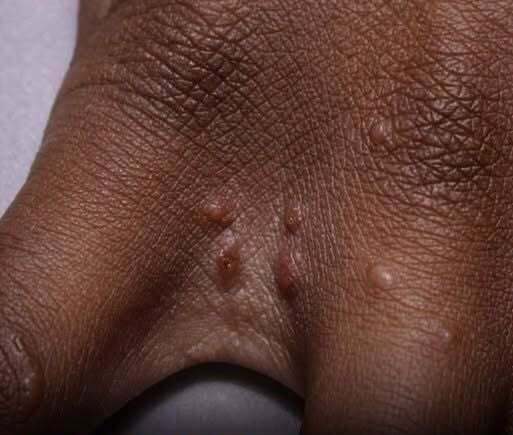
Dyshidrotic Eczema Can Turn a Small Itch Into Painful Blisters on the Hands and Feet
How Tiny Blisters Can Develop Into Painful Cracks and Disrupt Everyday Life
It may begin with something so subtle that it is easy to ignore. A faint itch appears beneath the skin, creating an uncomfortable sensation that does not completely disappear.
Before long, tiny blisters may begin to form. They can feel hot, irritated, and intensely itchy, turning ordinary movements into repeated reminders that the skin is inflamed.
For people affected by dyshidrotic eczema, the discomfort can interfere with much more than appearance. Using the hands, wearing shoes, washing, sleeping, and completing daily responsibilities may all become more difficult during a flare-up.
Early Symptoms Can Be Easy to Misunderstand
Dyshidrotic eczema can hide in plain sight because its first signs may resemble other common skin problems. A person may initially assume that the irritation is caused by dry skin, frequent washing, a new product, or a minor infection.
The condition often becomes more noticeable when small blisters rise on the hands or feet. These blisters may be accompanied by burning, itching, tenderness, or a sensation of pressure beneath the skin.
Because the symptoms may not appear severe at first, some people continue their normal routines without seeking care. However, repeated contact, friction, washing, and movement can make the affected areas feel increasingly uncomfortable.
Everyday actions may suddenly become unpleasant. Fastening buttons, shaking hands, preparing food, typing, cleaning, walking, or putting on shoes can place pressure on irritated skin.
The uncertainty can also be distressing. When a rash appears without an obvious explanation, people may worry that it is contagious, dangerous, or connected to a more serious health problem.
Blisters May Lead to Dryness and Cracking
The blistering stage is only one part of a dyshidrotic eczema flare. As the blisters begin to dry, the skin may become rough, tight, flaky, or sensitive.
Cracks can develop in areas that move frequently. When the hands are affected, bending the fingers or gripping an object may pull against the damaged skin and cause a sharp stinging sensation.
When the feet are involved, standing and walking may place repeated pressure on the irritated areas. Shoes and socks can create additional friction, especially when the skin is already tender.
The cycle can become frustrating because the skin may seem to improve before irritation returns. A person may experience periods of relief followed by new itching, blistering, dryness, or cracking.
Repeated flare-ups can disrupt normal routines and make even basic tasks feel exhausting. The discomfort may affect concentration at work, rest at night, and confidence in social situations.
Daily Life Can Become More Difficult
Hands are involved in almost every part of daily life, which makes inflammation in this area especially disruptive. Washing, cooking, dressing, working, driving, and using electronic devices may all become uncomfortable.
Frequent handwashing can be particularly difficult during a flare. Although washing is a necessary part of hygiene, water and cleansing products may leave irritated skin feeling tighter or more sensitive.
People whose daily responsibilities involve repeated contact with water, cleaning products, or other irritating materials may find it difficult to give their skin time to recover. Without protection, each exposure may add to the discomfort.
Sleep can also be affected. Persistent itching may become more noticeable at night, while burning or cracked skin can make it difficult to find a comfortable position.
The condition may also create emotional strain. Visible blisters, peeling skin, or cracks can make some people feel embarrassed, especially when others misunderstand what they are seeing.
They may avoid handshakes, open footwear, or activities that draw attention to the affected areas. This can add social discomfort to an already painful physical problem.
A Professional Diagnosis Is an Important Turning Point
Because dyshidrotic eczema can be confused with other skin conditions, receiving a proper diagnosis from a healthcare professional is an important step. Identifying the problem can help a person move away from guesswork and toward an appropriate care plan.
Self-diagnosis may delay effective treatment, particularly when the symptoms resemble dry skin or infection. Products chosen without guidance may fail to help or may further irritate already sensitive skin.
A healthcare professional can assess the appearance, location, and progression of the symptoms. This evaluation can help determine what type of treatment may be appropriate for the individual situation.
Diagnosis can also provide reassurance. Understanding that the condition can be managed may reduce some of the fear created by unexplained blisters and repeated flare-ups.
People should not assume that persistent or painful skin symptoms must simply be tolerated. Seeking medical guidance can be especially important when the condition begins to interfere with work, sleep, walking, or routine hand use.
Treatment Can Be Tailored to the Severity of Symptoms
Treatment for dyshidrotic eczema may vary depending on the severity and persistence of the flare. Some people may be given prescription creams to help calm inflammation and reduce discomfort.
In other situations, oral medications may be considered. Light-based therapies may also be used as part of a tailored treatment approach when appropriate.
The goal of treatment is not only to address visible blisters. It is also intended to reduce itching, protect damaged skin, support healing, and help prevent the cycle from becoming increasingly disruptive.
Consistency is important because inflamed skin may require time to recover. Stopping a care routine as soon as the surface begins to look better may leave the skin vulnerable to continued irritation.
Individual responses can differ. A treatment plan that helps one person may not be suitable for another, which is why professional guidance remains important.
Moisturizing Helps Support the Skin Barrier
Regular moisturizing is one of the daily habits that can help protect affected skin. Moisturizer may reduce dryness and support areas that have become rough or cracked after the blisters begin to settle.
Applying moisturizer consistently can be especially helpful after washing. This may help reduce the tight, uncomfortable feeling that can develop as water evaporates from irritated skin.
Moisturizing should be viewed as part of an ongoing routine rather than something used only when cracks become painful. Supporting the skin regularly may make it easier to manage dryness between flare-ups.
Care should remain gentle. Aggressive rubbing can place unnecessary pressure on tender areas, particularly when blisters are present or cracks have already formed.
Gentle Cleansing Can Reduce Unnecessary Irritation
Cleansing remains necessary, but harsh products may be difficult for inflamed skin to tolerate. Using gentle cleansers can help limit additional irritation during daily washing.
People experiencing a flare may become tempted to wash the area repeatedly because they fear infection or contamination. Excessive washing, however, can leave the skin feeling increasingly dry and uncomfortable.
A balanced routine focuses on cleanliness without treating the skin roughly. Gentle handling can be especially important when the hands are blistered, peeling, or cracked.
After washing, the skin should be treated carefully. Rough drying or repeated friction may worsen tenderness and disturb areas that are trying to heal.
Protective Gloves May Help During Certain Tasks
Protective gloves can reduce direct contact with materials that may aggravate sensitive skin. They may be useful during cleaning, washing, or other activities involving repeated exposure to water or irritating substances.
Gloves do not replace treatment, but they can provide a physical barrier during tasks that would otherwise place more stress on the affected areas. This protection may help people continue necessary responsibilities while limiting direct exposure.
Protection is especially relevant when cracks are present. Broken skin can sting sharply when it comes into contact with water, cleansers, or other irritating materials.
Daily precautions may seem small, but repeated protection can make a meaningful difference when the skin is already struggling to recover.
Recognizing Personal Triggers Can Help Reduce Flares
Avoiding known triggers is another important part of managing dyshidrotic eczema. The cause may not always be clear, which can make the condition feel unpredictable.
Even when there is no single obvious explanation, paying attention to patterns may help. A person may notice that symptoms become worse after certain activities, exposures, or changes in routine.
Recognizing these patterns can support more informed daily choices. Reducing avoidable irritation may help limit the severity or frequency of future flare-ups.
The process may require patience because triggers can be difficult to identify. Keeping routines gentle and consistent can still provide useful protection while the person works with a healthcare professional.
Worsening Symptoms Should Not Be Ignored
Medical care becomes especially important when symptoms worsen, spread, or begin to show signs of infection. Damaged and cracked skin may require prompt attention if the condition changes noticeably.
A flare that becomes increasingly painful or difficult to manage should not simply be dismissed as ordinary dryness. Changes in the affected area may indicate that the skin needs additional care.
Waiting too long can allow discomfort to interfere more deeply with normal movement and daily responsibilities. Early attention may help prevent the condition from becoming harder to control.
People should also seek guidance when home care and prescribed treatment do not appear to be helping. A healthcare professional may need to reassess the symptoms and adjust the treatment approach.
Consistent Care Can Help Restore Comfort
Dyshidrotic eczema can be painful, persistent, and emotionally draining, but it does not mean that a person is powerless. Proper diagnosis, appropriate treatment, and protective daily habits can help bring the symptoms under better control.
The process may not be immediate. Blisters, dryness, and cracks need time to settle, and repeated flare-ups may require ongoing management rather than a single quick solution.
Regular moisturizing, gentle cleansing, protective gloves, and avoidance of known triggers can support the skin between medical appointments. These habits work best when they become part of a consistent routine.
Most importantly, people should pay attention to what their skin is communicating. An itch that refuses to fade, recurring blisters, or painful cracks deserve careful attention rather than embarrassment or dismissal.
With patience and suitable care, many people can reduce the burning, protect vulnerable skin, and regain comfort in their hands and feet. Taking the symptoms seriously is the first step toward interrupting the cycle and returning to daily life with greater confidence.
:contentReference[oaicite:0]{index=0}