
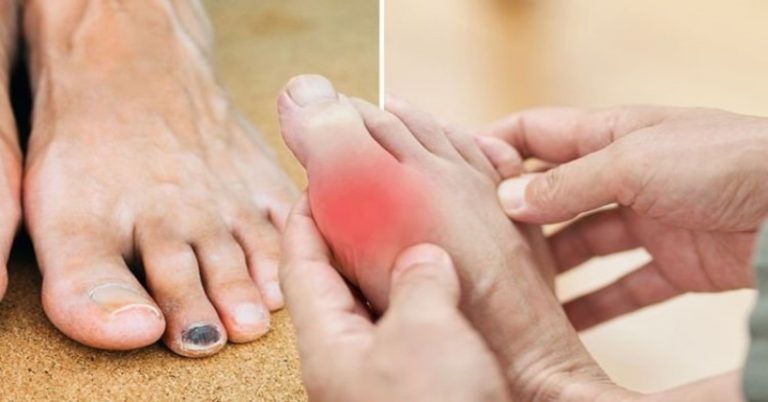
Subtle Leg Signs That May Be Linked to High Cholesterol
Understanding Why Cholesterol Matters
High cholesterol is often described as a silent condition because it may develop without obvious warning signs. Many people do not notice symptoms until the condition has progressed or begins to affect blood circulation.
However, in some situations, the body may show small changes that suggest blood flow is not as efficient as it should be. These signs can sometimes appear in the legs and feet, where circulation plays an important role in keeping tissues healthy.
Recognizing these changes early and discussing them with a healthcare professional can help people better understand their health and take steps to protect their long-term well-being.
How Cholesterol Affects the Body
Cholesterol is a wax-like substance that the body naturally produces. It is also found in certain foods and plays an important role in building cells and producing hormones.
When cholesterol levels rise too high, fatty deposits may begin to accumulate along the walls of arteries. Over time, these deposits can narrow the arteries and reduce the smooth flow of blood through the circulatory system.
This process can affect various parts of the body. When blood flow to the legs becomes limited, some people may begin to notice physical changes or discomfort during daily activities.
Circulation and the Health of the Legs
The legs rely on a steady supply of oxygen-rich blood to support muscles, skin, and nerves. When circulation becomes less efficient, tissues may not receive the nutrients they need.
A condition sometimes associated with reduced circulation in the limbs is peripheral artery disease. This condition develops when arteries that supply blood to the arms or legs become narrowed.
Although the condition may develop gradually, certain signs in the legs may suggest that circulation should be evaluated by a medical professional.
Discomfort in the Legs During Activity
Some individuals notice aching or cramping in the legs when walking, climbing stairs, or performing other forms of physical activity. This type of discomfort may occur when muscles are not receiving enough oxygen during exertion.
The sensation often improves after a short period of rest. Because of this pattern, people sometimes overlook the symptom or assume it is simply fatigue.
If leg pain repeatedly appears during activity and improves with rest, it may be worth discussing the symptom with a healthcare provider for proper evaluation.
Frequent Leg Cramps
Occasional leg cramps are common and can happen for many reasons. However, persistent cramps in the calves, thighs, or buttocks may sometimes be linked to reduced blood circulation.
Some people notice that these cramps occur more frequently at night or while resting. In certain cases, gently moving the legs or walking around may help improve circulation and ease the discomfort.
Because cramps can have many causes, it is important to seek medical advice if they occur regularly or become more severe over time.
Changes in Skin Appearance
The skin on the legs and feet can also reflect changes in circulation. When blood flow is reduced, the skin may appear thinner, shinier, or paler than usual.
In some cases, a slight bluish or pale tone may develop because tissues are receiving less oxygenated blood. Nails may also grow more slowly or appear more fragile.
These changes can develop gradually, making them easy to overlook. Monitoring skin health and discussing unusual changes with a healthcare professional can help ensure proper evaluation.
Persistent Cold Sensation in the Feet
Another possible sign of reduced circulation is a constant feeling of coldness in the lower legs or feet. Some individuals notice that their feet feel unusually cold even when the surrounding environment is warm.
This sensation may occur when blood flow to the extremities becomes limited. Because circulation plays a major role in maintaining body temperature in the limbs, reduced blood supply can lead to cooler skin.
If this symptom occurs regularly, a medical professional can help determine whether circulation may be contributing to the issue.
Other Circulation-Related Signs
In addition to the symptoms above, several other changes may sometimes appear when circulation in the legs is reduced.
Some individuals report numbness, weakness, or a tingling sensation in the legs or feet. These feelings may occur because nerves are not receiving an adequate supply of oxygen and nutrients.
Slow-healing sores or wounds on the feet or lower legs may also suggest that blood flow is not reaching tissues efficiently. Healthy circulation is important for the body’s ability to repair damaged skin.
Another possible change is reduced hair growth on the legs or feet. Hair follicles depend on oxygen and nutrients delivered through the bloodstream, and limited circulation can affect their growth.
Why Early Attention Is Important
Because high cholesterol can develop quietly over time, routine health monitoring is an important part of prevention. Recognizing possible signs of circulation changes allows individuals to seek medical advice before more serious complications develop.
Healthcare professionals can evaluate symptoms, perform appropriate tests, and recommend steps that may support heart and vascular health.
Early attention often provides the best opportunity to manage cholesterol levels and protect overall cardiovascular function.
Steps That Support Healthy Cholesterol Levels
Maintaining balanced cholesterol levels often involves a combination of lifestyle choices and regular medical care.
Routine health screenings can help identify cholesterol levels before symptoms appear. Many healthcare providers recommend periodic cholesterol testing, especially for individuals with risk factors such as family history, smoking, diabetes, or high blood pressure.
Nutrition also plays an important role. Diets that include vegetables, fruits, whole grains, and lean sources of protein can support heart health. Limiting foods high in saturated or trans fats may also help maintain balanced cholesterol levels.
Regular physical activity can improve circulation and contribute to overall cardiovascular health. Activities such as walking, swimming, or cycling help the body maintain healthy blood flow.
Avoiding tobacco products is another important factor. Smoking can damage blood vessels and increase the risk of circulation-related conditions.
Managing Other Health Conditions
Conditions such as diabetes and high blood pressure can influence how the circulatory system functions. Managing these conditions through medical care and healthy habits may reduce the risk of complications related to cholesterol.
Healthcare professionals can provide guidance on medications, lifestyle adjustments, and monitoring strategies that support long-term health.
Working closely with a healthcare provider allows individuals to create a plan tailored to their personal health needs.
Listening to Your Body
The body often provides signals when something is not functioning as expected. While many leg symptoms have harmless explanations, persistent changes should not be ignored.
Paying attention to discomfort, changes in skin appearance, or unusual sensations in the legs may help individuals recognize when medical advice is needed.
Seeking professional evaluation ensures that symptoms are properly understood and addressed.
Conclusion
High cholesterol may not always cause obvious symptoms, but subtle changes in the legs can sometimes indicate that circulation deserves attention. Recognizing these signs and discussing them with a healthcare professional can help identify potential concerns early.
Through routine checkups, balanced nutrition, regular physical activity, and healthy lifestyle choices, many people are able to manage cholesterol levels and support their overall cardiovascular health.
Staying informed and attentive to changes in the body can play an important role in maintaining long-term well-being.