
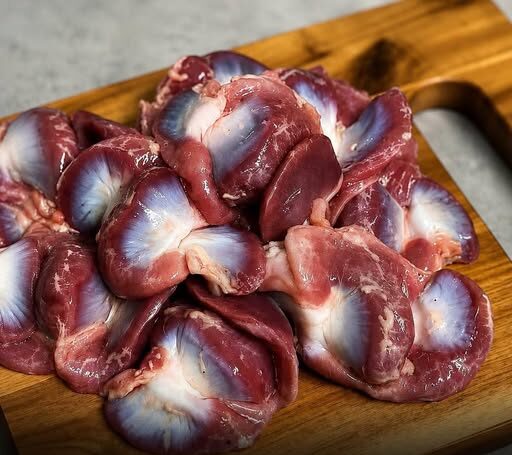
Chicken Gizzards Are an Affordable, Protein-Rich Food Packed With Essential Nutrients
Why Chicken Gizzards Deserve More Attention
Chicken gizzards may not be the first ingredient that comes to mind when planning a meal, but this inexpensive organ meat offers an impressive combination of protein, vitamins, and essential minerals.
For people looking for nutrient-dense foods that can fit into a limited grocery budget, gizzards can be a practical option.
They have a distinctive firm texture and can be used in several different types of meals, including stews, fried dishes, and stir-fries.
When cooked properly, the naturally tough muscle becomes much more tender while developing a rich flavor that works well with a variety of preparations.
What Exactly Is a Chicken Gizzard?
The gizzard is part of a chicken’s digestive system.
Unlike softer cuts of poultry, it is a powerful muscle, which explains why raw or quickly cooked gizzards can have a noticeably firm and chewy texture.
That texture does not mean they have to remain tough when served.
Using an appropriate cooking technique can soften the meat considerably and make it more enjoyable to eat.
The gizzard’s muscular structure also contributes to its nutritional profile, particularly its high protein content.
A Small Serving Provides Plenty of Protein
One of the most notable nutritional qualities of chicken gizzards is their protein content.
A 3-ounce serving provides roughly 20 grams of protein.
That makes gizzards an especially concentrated protein source considering the relatively modest serving size.
Protein is one of the primary reasons many people include meat in their diets, and gizzards can provide a substantial amount without requiring a large portion.
This nutritional density may make them appealing to people who are trying to add more protein-rich ingredients to meals while keeping grocery costs manageable.
They Are Relatively Low in Fat
Along with their high protein content, chicken gizzards contain less than 3 grams of fat in a 3-ounce serving.
This creates a combination of high protein and relatively low fat that can make gizzards useful in a variety of meal plans.
The final fat content of a dish can, of course, also depend on how the gizzards are prepared.
Frying them or adding rich ingredients will produce a different finished meal than simmering them in a stew or using them in a lighter stir-fry.
The gizzard itself, however, provides a significant amount of protein while remaining comparatively lean.
Chicken Gizzards Also Provide Iron
Protein is not the only nutritional benefit offered by gizzards.
They also contain iron, an essential mineral that contributes to their overall nutrient density.
Including foods that naturally provide minerals can help create greater variety within a diet.
For people who already enjoy poultry but rarely eat organ meats, gizzards offer a different way to consume parts of the chicken that might otherwise be overlooked.
The presence of iron is one reason gizzards can provide more nutritional value than their low price might suggest.
Zinc Adds to Their Mineral Content
Chicken gizzards are also a source of zinc.
Like iron, zinc is one of the essential minerals found in this organ meat.
The combination of protein and several important minerals gives gizzards a nutritional profile that can be surprisingly rich for such an inexpensive ingredient.
Rather than evaluating the food only by its unusual texture or appearance, its nutritional content provides another reason to consider using it in everyday meals.
Selenium Is Another Nutrient Found in Gizzards
Selenium is also present in chicken gizzards.
This adds another essential mineral to the list of nutrients available in a relatively small serving.
Iron, zinc, and selenium together make gizzards more than simply an alternative source of meat protein.
They are a nutrient-dense organ meat that delivers several components within the same serving.
That nutritional concentration is one reason organ meats have continued to be used in traditional and budget-conscious cooking.
Gizzards Contain B Vitamins
Chicken gizzards also provide B vitamins.
Combined with their protein and mineral content, these vitamins contribute to the overall nutritional value of the ingredient.
A varied diet often involves obtaining nutrients from a range of foods rather than depending on only a small number of familiar ingredients.
Gizzards can add that variety while still being used in meals that are filling and familiar.
Why Gizzards Can Be Helpful for a Grocery Budget
One of the most practical advantages of chicken gizzards is their low cost.
Compared with many more popular cuts of meat, organ meats can provide significant nutritional value without requiring as much money.
This can make gizzards useful for people trying to plan meals carefully or stretch a grocery budget across multiple dishes.
Affordability does not automatically mean poor nutritional value.
In the case of gizzards, a relatively inexpensive ingredient can provide approximately 20 grams of protein per 3-ounce portion along with several vitamins and minerals.
A Useful Ingredient for Meal Planning
Because gizzards are inexpensive and protein-rich, they can be incorporated into meal planning in several ways.
They can serve as the main protein in a dish or be combined with other ingredients to create a larger meal.
Their strong texture makes cooking technique particularly important, but it also allows them to work well in recipes where meat is expected to hold its shape during preparation.
Cooking larger batches can also make them convenient for households looking for economical protein options.
Slow Cooking Can Help With Their Firm Texture
One characteristic that surprises people trying gizzards for the first time is their firmness.
The gizzard is naturally muscular, so it generally benefits from cooking methods that allow enough time for the meat to become tender.
Stews are particularly suitable because the gizzards can cook gradually while absorbing flavors from the surrounding ingredients.
When sufficient cooking time is used, the texture can become considerably softer and more pleasant.
Rushing the cooking process may leave the meat tougher than expected.
Gizzards Work Well in Stews
Stews are one of the most natural ways to prepare chicken gizzards.
The longer cooking environment gives the firm muscle time to soften while allowing it to absorb seasoning and other flavors.
Because gizzards are relatively inexpensive, they can also help produce a hearty dish without depending on more costly cuts of meat.
This makes them particularly useful when cooking for several people or preparing meals in advance.
Fried Gizzards Offer a Different Preparation
Chicken gizzards can also be fried.
This preparation creates a very different eating experience from a slowly simmered stew.
Proper preparation remains important because the underlying muscle naturally begins with a firm texture.
Frying can provide a flavorful way to enjoy gizzards for people who prefer a more substantial texture.
As with any dish, additional ingredients and cooking methods will influence the overall nutritional characteristics of the finished meal.
They Can Also Be Used in Stir-Fries
Stir-fries provide another way to incorporate chicken gizzards into everyday cooking.
The meat can be combined with other ingredients to create a dish containing protein along with different textures and flavors.
Using gizzards this way demonstrates that organ meat does not have to be limited to one traditional cooking style.
Once properly prepared, it can be adapted to several types of meals.
Good Cooking Technique Makes a Major Difference
Preparation can determine whether someone enjoys chicken gizzards or finds them excessively tough.
Because the gizzard is a hard-working muscle, tenderness often requires more attention than cooking a naturally softer piece of chicken.
Allowing enough time for the meat to soften can transform the finished result.
The goal is to preserve the characteristic texture while making the gizzards tender enough to eat comfortably.
Once that balance is achieved, the meat can be flavorful and satisfying.
There Are Reasons to Eat Gizzards in Moderation
Although chicken gizzards contain valuable nutrients, they are not necessarily a food that everyone should consume in large amounts.
Gizzards are relatively high in cholesterol.
That means people who need to pay close attention to cholesterol intake may want to consider portion size and frequency.
A food can provide substantial protein, vitamins, and minerals while still containing nutritional characteristics that make moderation sensible for certain individuals.
Their Purine Content Is Another Consideration
Chicken gizzards are also high in purines.
This is another reason some individuals may need to limit how frequently they consume them.
The fact that a food is nutrient-dense does not automatically mean unlimited amounts are appropriate for every person.
Individual dietary considerations can determine whether gizzards are best eaten regularly, occasionally, or in smaller portions.
Balance Matters More Than Treating One Food as Perfect
Gizzards provide an example of why foods are best considered as part of an overall diet.
They offer impressive amounts of protein along with iron, zinc, selenium, and B vitamins.
At the same time, their cholesterol and purine content means moderation may be appropriate for some people.
Looking at both sides provides a more complete understanding of the food.
For many people, gizzards can simply be another ingredient included alongside a range of other protein sources.
Why Organ Meat Can Be an Economical Choice
Popular cuts of chicken often receive most of the attention in kitchens, while parts such as gizzards may be ignored.
Yet using more of the animal can provide both nutritional and financial advantages.
Gizzards are generally inexpensive while still offering concentrated protein and micronutrients.
For households trying to manage food expenses, exploring less expensive cuts can create more flexibility without necessarily sacrificing nutritional value.
The key is learning how to prepare those ingredients properly.
Gizzards Can Add Variety to Familiar Meals
People who regularly rely on the same chicken cuts may also appreciate gizzards simply because they provide something different.
The texture, flavor, and preparation methods distinguish them from standard chicken breast or other familiar poultry options.
They can be simmered until tender, incorporated into stews, prepared for frying, or added to stir-fries.
This flexibility makes them suitable for experimenting with new meals while keeping costs relatively low.
A Nutrient-Dense Food at a Modest Price
The combination of affordability and nutrition is what makes chicken gizzards particularly notable.
A 3-ounce serving contains roughly 20 grams of protein and less than 3 grams of fat.
The same organ meat also supplies iron, zinc, selenium, and B vitamins.
For an inexpensive ingredient, that represents a considerable concentration of nutritional value.
It also explains why gizzards can fit naturally into budget-conscious meal planning.
Who May Want to Be More Cautious?
Not every person will want to eat chicken gizzards frequently.
Individuals who need to monitor foods high in cholesterol or purines may want to consume them in moderation.
That consideration does not remove the nutritional advantages of gizzards, but it does reinforce the importance of portion awareness.
Dietary needs vary, and foods that work well for one person’s routine may need to be limited in another person’s meals.
Chicken Gizzards Can Be Worth Adding to the Menu
Chicken gizzards combine several qualities that are not always found together in one ingredient.
They are inexpensive, rich in protein, relatively low in fat, and provide several essential vitamins and minerals.
Their firm texture requires thoughtful cooking, but proper preparation can produce tender, flavorful results.
Stews, fried dishes, and stir-fries all provide opportunities to incorporate them into meals.
For people willing to move beyond the most familiar cuts of poultry, gizzards can offer both variety and value.
An Affordable Ingredient With Impressive Nutritional Value
Chicken gizzards are easy to overlook because organ meats are less familiar to many home cooks than conventional poultry cuts.
Yet their nutritional profile makes them worth considering.
With roughly 20 grams of protein in a 3-ounce serving, less than 3 grams of fat, and meaningful amounts of iron, zinc, selenium, and B vitamins, they provide substantial nutrition in a small portion.
Their low cost strengthens their appeal for households interested in economical meal planning.
At the same time, their higher cholesterol and purine content means they may be best consumed moderately by people who need to watch those dietary components.
Overall, chicken gizzards can be a flavorful, flexible, and nutrient-dense addition to the menu when prepared properly and included as part of a balanced approach to eating.