
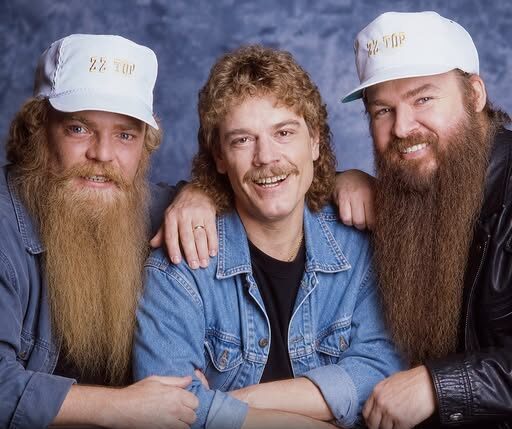
Frank Beard, ZZ Top Drummer and Driving Force Behind the Band’s Sound, Dies at 77
A defining rhythm falls silent
Frank Beard, the longtime drummer whose steady, unmistakable rhythm helped shape ZZ Top for more than five decades, has died at the age of 77.
His death marks the end of another major chapter in the history of the Texas rock band whose sound became recognized around the world. Beard was never the most visually flamboyant member of the group, but his controlled, muscular drumming provided the foundation beneath some of ZZ Top’s most enduring recordings.
For fans who followed the group through decades of touring, albums and changing musical eras, Beard represented consistency. His place behind the drum kit was central to a chemistry that began when he joined Billy Gibbons and Dusty Hill in 1969.
Together, the three musicians created a partnership that carried ZZ Top from Texas clubs and honky-tonks to international arenas and eventually into the Rock & Roll Hall of Fame.
More than five decades behind the kit
Beard’s role within ZZ Top was built around precision rather than spectacle. While Gibbons and Hill stood at the front of the stage with massive guitar tones and an instantly recognizable appearance, Beard supplied the rhythmic structure that allowed the band’s music to move with confidence.
His playing helped define the relaxed but forceful groove that became one of ZZ Top’s musical signatures. The band could sound heavy without becoming rigid, and Beard’s drumming played an essential part in maintaining that balance.
That approach was especially important because ZZ Top’s sound depended on space as much as power. Beard did not need to overwhelm the songs with constant fills or dramatic displays of technique.
Instead, he built rhythms that supported the guitars while giving the music its swagger.
His contribution can be heard throughout the band’s catalog, including songs such as “La Grange,” “Sharp Dressed Man,” and “Legs”. Each came from a different stage of ZZ Top’s development, but Beard’s rhythmic identity remained a common thread.
From Texas stages to worldwide recognition
ZZ Top’s story began on a much smaller scale than the enormous audiences the group would later attract. Beard, Gibbons and Hill developed their chemistry through years of performing together, building a sound deeply connected to Texas while gradually expanding their reach.
What started in regional venues eventually became an international career.
The band’s combination of blues-based guitar work, memorable rhythms and a distinctive sense of personality allowed it to stand apart from many of its contemporaries. Beard’s drumming was crucial to that formula because the songs often relied on a powerful groove beneath relatively simple musical structures.
His style provided momentum without distracting from the central riff or vocal.
That discipline became one of his defining qualities as a musician. He understood when to push a song forward and when to leave room for the guitar and bass to create the larger atmosphere.
As ZZ Top became increasingly successful, Beard continued performing with the same core approach that had helped establish the band in its earliest years.
The rhythm behind some of ZZ Top’s biggest songs
Beard’s work on “La Grange” became part of one of the most recognizable grooves associated with ZZ Top. The song captured the combination of blues influence and rock energy that helped establish the band’s reputation.
Years later, “Sharp Dressed Man” and “Legs” introduced ZZ Top to another generation of listeners.
Those recordings arrived during a period when the group expanded its sound and became an even larger presence in popular music. Yet the rhythmic strength beneath the production remained connected to the same musician who had been driving the group since 1969.
Beard’s ability to adapt was part of what allowed ZZ Top to remain relevant through major changes in the music industry.
The group moved through different decades without abandoning its identity. Technology, production styles and audience expectations changed, but the chemistry between the three members remained central to its appeal.
Beard’s consistency behind the kit helped connect those different eras.
A musician who rarely demanded the spotlight
Within a band known for its extraordinary visual identity, Beard often occupied a different kind of role. He did not need to stand at the front of the stage to make his presence felt.
His importance became most obvious through the sound itself.
Every guitar riff depended on a rhythmic framework, and Beard supplied that structure night after night. His contribution was the kind that could sometimes be overlooked precisely because it was so dependable.
When the drummer is completely locked into a performance, listeners may focus on everything happening above the beat. Yet without that foundation, the entire arrangement changes.
For ZZ Top, Beard was that foundation.
His career demonstrated the value of musicianship built around restraint and feel. Rather than turning every song into an opportunity for individual display, he served the larger identity of the band.
A partnership that became a brotherhood
The connection between Beard, Gibbons and Hill extended far beyond a temporary musical collaboration. Their partnership lasted for decades, creating an unusual level of continuity within a major rock band.
Beard once expressed the belief that he had found the musicians he was supposed to play with.
That sense of belonging helps explain the endurance of ZZ Top. The members did not simply share a stage; they developed an understanding of how each person contributed to the band’s sound.
Gibbons brought his unmistakable guitar style, Hill provided bass and vocals, and Beard completed the structure with drums.
The result was a musical relationship that survived the changes and pressures that often divide long-running groups.
Their success eventually led to induction into the Rock & Roll Hall of Fame, recognizing the enormous impact ZZ Top had made over the course of its career.
Loss had already changed the band
The death of Dusty Hill had previously forced ZZ Top to confront the loss of one of the three musicians who had defined the group for decades.
Yet the band continued performing, carrying forward the music that Beard, Hill and Gibbons had built together.
That decision reflected a larger philosophy surrounding ZZ Top. The group’s history was rooted in continuity, and continuing to perform became a way of preserving the work created by its longtime members.
Beard remained an essential connection to the original trio during that period.
His presence behind the drums helped maintain an important part of the sound and personality audiences associated with the band.
In his final months, however, illness began affecting his ability to remain on the road.
Illness forced Beard away from touring
As Beard’s health declined, other musicians began sitting behind the drum kit during ZZ Top performances.
For a musician who had spent decades occupying that position, stepping away represented a significant change.
Even when he was unable to perform, however, Beard remained deeply connected to the identity of the group.
The musicians filling in were occupying his physical place onstage, but the rhythmic character associated with ZZ Top had been shaped through decades of Beard’s work.
His absence therefore carried meaning beyond simply replacing one musician during a concert.
It represented the temporary loss of someone whose playing had helped define the band from nearly the beginning of its existence.
Billy Gibbons reveals Beard’s final wish for ZZ Top
After Beard’s death, Billy Gibbons made clear that the drummer did not want ZZ Top’s journey to end with him.
Gibbons said the band intended to “keep on keeping on”, honoring Beard’s wish that the music and the group continue.
Those words captured something fundamental about Beard’s relationship with ZZ Top.
After spending most of his adult life helping build the band, his final concern was not centered on bringing the story to a close. Instead, he wanted the musicians who remained to keep moving forward.
The request also reflected the durability that had characterized the group throughout its history.
ZZ Top had endured personal loss, changes in musical culture and decades of touring. Beard’s desire that the band continue became one final expression of that resilience.
Continuing without the man who held the beat
The future of ZZ Top will inevitably sound and feel different without Beard.
A replacement drummer can reproduce rhythms and perform familiar songs, but Beard’s contribution came from more than technique. It came from decades of shared experience with the musicians around him.
That chemistry cannot simply be recreated.
Still, continuing the band allows Beard’s work to remain present every time those songs are performed. The drum parts he created will continue forming the framework beneath music that audiences have recognized for generations.
In that sense, Beard’s influence will remain embedded in future performances even when someone else occupies the drum stool.
The decision to continue is therefore both a musical choice and an act of remembrance.
A legacy built through rhythm
Frank Beard spent more than half a century doing something that can appear deceptively simple: keeping a band moving.
Yet great drumming is rarely about merely maintaining tempo. It is about creating the pulse that determines how a song feels, how the other musicians respond and how an audience physically experiences the music.
Beard understood that role exceptionally well.
His playing gave ZZ Top a sense of motion that could be relaxed and forceful at the same time. The guitars could be enormous because the rhythm underneath them remained controlled.
That balance helped transform the band from a Texas act into an international phenomenon.
Generations of listeners may remember the guitar riffs first, but those riffs were carried by Beard’s beat.
The music continues after the silence
Beard’s death at 77 brings an extraordinary musical partnership to another emotional turning point.
For fans, the loss means that one more member of the classic ZZ Top trio is gone. For those who shared the stage and road with him, the absence is far more personal.
Yet Beard left behind clear instructions about what he wanted to happen next.
ZZ Top was not supposed to stop.
Gibbons’ commitment to “keep on keeping on” ensures that Beard’s final wish will remain connected to the band’s future.
Every performance of “La Grange,” “Sharp Dressed Man,” “Legs” and the many other songs Beard helped shape will carry a reminder of the drummer who spent decades sitting behind the spectacle and making everything work.
Frank Beard may no longer be behind the drum kit, but the rhythm he built into ZZ Top has already outlived the moment of his final performance.
For a musician who spent his career keeping the beat moving forward, perhaps the most fitting tribute is exactly what he requested: the band keeps playing.