
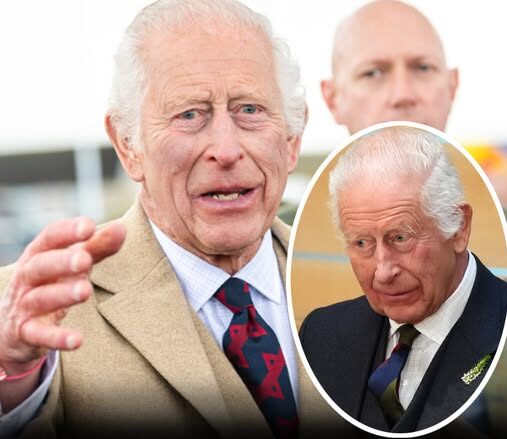
King Charles III Approves Removal of Nine National Honors
King Charles III has approved the removal of nine honors from individuals who previously received MBE and OBE titles. The move highlights the formal process used in the United Kingdom when recipients of national distinctions are later found to have acted in ways that conflict with the values associated with the awards.
The decisions follow reviews conducted by the Honours Forfeiture Committee, an advisory body responsible for examining cases in which the conduct of an honoree may affect the reputation of the national honors system.
What MBEs and OBEs Represent
The honors involved are part of the Order of the British Empire, one of the UK’s most widely recognized systems for acknowledging achievement and service.
Two of the most common ranks include:
OBE (Officer of the Order of the British Empire): Awarded to individuals who have made significant contributions at a national or regional level in areas such as public service, business, science, the arts, or charitable work.
MBE (Member of the Order of the British Empire): Given to individuals whose achievements or community service have had a meaningful and lasting impact.
Recipients are typically announced during major honors lists, including the New Year Honours and the King’s Birthday Honours. Many honorees are later invited to formal investiture ceremonies held at Buckingham Palace or Windsor Castle.
Why Honors May Be Revoked
The removal of an honor is relatively rare and occurs only after a structured review process. The Honours Forfeiture Committee examines cases in which a recipient’s actions may be considered inconsistent with the principles associated with the award.
Reasons that may lead to forfeiture can include:
- Serious legal convictions
- Professional disciplinary findings
- Conduct considered damaging to the reputation of the honors system
After reviewing a case, the committee may recommend revocation. Final approval is granted by the monarch and recorded in the official public register.
Example of a Recent Revocation
One of the most widely discussed cases among the recent decisions involves Stuart Hogg, a former international rugby player who received an MBE in the 2024 New Year Honours for services to rugby.
Following legal proceedings related to personal conduct, the honor was formally withdrawn. According to the official notice published in The Gazette, the award has been annulled and his name removed from the register of the order.
Other Individuals Listed in the Notice
The official publication also confirmed the removal of honors from several other individuals:
- Ian Ashbold — MBE (2016), revoked following a legal conviction
- Lloyd Hamilton — MBE (2011), revoked following a legal conviction
- Angela Middleton — MBE (2019), revoked for conduct affecting the reputation of the honors system
- Nigel O’Connor — MBE (2015), revoked following professional disciplinary action
- Tony Reilly — OBE (2011), revoked following professional censure
- Paul Allen Rose — MBE (2002), revoked after convictions related to animal welfare violations
- Anant Shah — OBE (2020), revoked for conduct affecting the reputation of the honors system
- Graham Trewhella — MBE (2010), revoked following a legal conviction
- Stuart Hogg — MBE (2024), revoked following a legal conviction
Maintaining the Integrity of the Honors System
The forfeiture process exists to protect the credibility of the United Kingdom’s honors system, which has been recognizing public service and achievement for more than a century.
Each year, thousands of individuals receive honors for contributions in areas such as healthcare, education, community leadership, business, science, and charitable work.
While revocations occasionally attract public attention, they represent a very small portion of the many individuals who continue to hold honors in recognition of their contributions to society.
Officials emphasize that these distinctions reflect not only past achievements but also the expectation that recipients continue to uphold the standards associated with national recognition.