
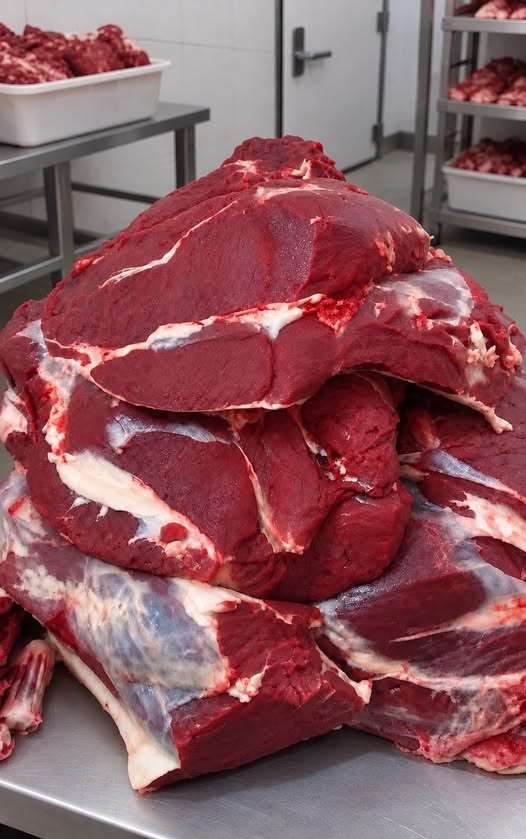
The Meat Aisle Trick Many Shoppers Never Think About
Why Meat Can Look Fresher Than It Is
Walking through the meat aisle can create a powerful first impression. Bright red steaks, spotless trays, carefully arranged packages, and strong store lighting can all make the meat appear exceptionally fresh at a glance.
For many shoppers, color becomes one of the quickest signals of freshness. A package looks bright and appealing, so it goes into the shopping cart without much further thought.
But the color of meat does not tell the entire story. What shoppers see on the surface can be influenced by oxygen, packaging, lighting, and the way products are displayed.
That means a piece of beef that looks bright red is not automatically fresher than another piece that appears darker. Understanding why those differences occur can make it easier to evaluate meat using more than appearance alone.
Fresh Beef Does Not Always Look Bright Red
One of the most important details to understand is that freshly cut beef can sometimes appear dark or purplish. That appearance can be completely normal, particularly when the meat has been vacuum-packed or has not been exposed to much oxygen.
Once oxygen reaches the surface of the beef, its color can change. The meat may develop the familiar bright red appearance that many shoppers associate with freshness.
This natural color change can make the appearance of meat seem more straightforward than it really is. A shopper may see bright red beef and assume it is the freshest option available, while a darker-looking package may be overlooked even though its color alone does not establish that it is old.
The difference is largely connected to what happens at the surface of the meat. Oxygen exposure can alter the appearance, meaning that color is not a simple measurement of how fresh the product actually is.
Packaging Can Change What You See
Packaging also plays an important role in how meat appears in the store. Vacuum-packed beef may have a darker or purplish appearance because the meat has had limited exposure to oxygen.
That does not automatically mean something is wrong with the product. Once the package is opened and oxygen reaches the surface, the color can change and become more familiar to shoppers.
Controlled-atmosphere packaging can also affect the way meat looks. Different packaging conditions can influence the color that appears through the package, adding another reason not to judge freshness from appearance alone.
Store lighting and display techniques can further influence what shoppers notice. Bright lighting can emphasize the color of meat and make products appear particularly vivid and appealing.
None of these factors automatically mean that shoppers are being deliberately deceived. They do, however, show why visual appearance should not be treated as the only indication of freshness or safety.
Color Is Only One Part of the Picture
The bright red color commonly associated with beef can be appealing, but it is only one part of a much more complicated picture. Meat can change appearance for reasons that have little to do with whether it should be considered fresh or old.
A darker appearance does not automatically mean the beef should be discarded. Likewise, an attractive red color should not be treated as proof that the product is safe or exceptionally fresh.
Instead of relying on one visual characteristic, shoppers can slow down and examine the package more carefully. Other details can provide a more useful picture of the condition of the meat.
This approach changes the way the meat counter is evaluated. Rather than choosing a package simply because its color looks appealing, shoppers can consider the date, packaging condition, and other noticeable signs before making a decision.
Check the Dates Before Buying
Dates printed on meat packages are another detail worth checking before placing a product in the cart. Shoppers should look carefully at the use-by or sell-by date rather than relying only on the appearance of the meat.
The date provides information that color cannot provide. Even when two packages appear similar, their printed dates may be different, making it useful to check the packaging rather than making a decision based entirely on appearance.
Taking a few extra seconds to examine the date can help shoppers make a more informed choice. It is a simple step that does not depend on lighting, color, or how attractive the meat looks through the package.
Look Closely at the Packaging
The condition of the package itself can also tell shoppers something important. Damaged or swollen packaging deserves attention and should not simply be ignored because the meat inside looks appealing.
Leaking trays or packages containing excessive liquid are additional reasons to examine the product carefully. These visible problems can be noticed without relying on the color of the meat.
A clean-looking package is not the same thing as proof of freshness, but shoppers can still use the physical condition of the packaging as part of their overall assessment.
The goal is to look at the complete package instead of focusing on one characteristic. Date information, packaging condition, and the meat’s appearance all provide different pieces of information.
Pay Attention After Bringing Meat Home
The evaluation does not have to end at the grocery store. After purchasing meat, shoppers should continue paying attention to its condition rather than assuming that an attractive appearance guarantees that everything is fine.
A strong off-odor is a reason to throw the meat away rather than trying to determine whether it can still be used. Unusual discoloration can also be a warning sign that should not simply be ignored.
Texture provides another important clue. Meat that feels slimy or sticky should not be treated as something that can be tested further before deciding what to do with it.
When these noticeable warning signs are present, the safer response is to discard the meat rather than trying to convince yourself that it is still usable.
Keep Meat Cold and Handle It Quickly
How meat is handled after purchase also matters. Shoppers should keep meat cold and handle it quickly rather than allowing it to remain unattended for unnecessary periods.
Raw meat should also be kept separate from ready-to-eat foods. This helps prevent the raw product from coming into contact with foods that are intended to be eaten without further cooking.
These habits are part of looking beyond the appearance of meat. Color may be the first thing shoppers notice, but storage and handling also play a role in making safer choices.
A Better Way to Shop the Meat Counter
The meat aisle is designed to make products look appealing, and color naturally attracts attention. Bright red beef can immediately stand out, while darker meat may appear less desirable even when its color is explained by oxygen exposure or packaging.
Understanding this difference can prevent shoppers from treating color as a simple freshness test. Beef can look dark or purplish when freshly cut or vacuum-packed, and it can become brighter after oxygen reaches its surface.
Lighting, controlled-atmosphere packaging, and display techniques can also affect what shoppers see. These factors do not automatically indicate deception, but they demonstrate why appearance alone is unreliable.
A more careful approach is to examine the entire package. Check the use-by or sell-by date, look for damaged or swollen packaging, and avoid packages that are leaking or contain excessive liquid.
After bringing the meat home, pay attention to its smell and texture. A strong off-odor, slimy or sticky texture, or unusual discoloration are reasons to throw the meat away rather than attempting to test it.
Keep the meat cold, handle it quickly, and separate it from ready-to-eat foods. These straightforward habits allow shoppers to make decisions based on more than what catches their eye under bright supermarket lighting.
What Shoppers Should Remember
The most important lesson is simple: color is only the surface of the story. A bright red appearance does not provide a complete picture of freshness, and a darker or purplish appearance does not automatically mean that beef is old.
Oxygen, packaging, lighting, and display methods can all influence the way meat looks. Once shoppers understand those factors, they can stop treating color as the deciding factor.
Instead, a better assessment comes from looking at the date, checking the condition of the packaging, and paying attention to noticeable changes in odor or texture after purchase.
When shoppers slow down and consider all of these details, the meat counter becomes less about choosing the package with the most appealing color and more about making a careful, informed decision.