
Trump and Natalie Harp Viral Photo Raises New Questions About AI-Generated Images
A Viral Image Creates an Instant Scandal
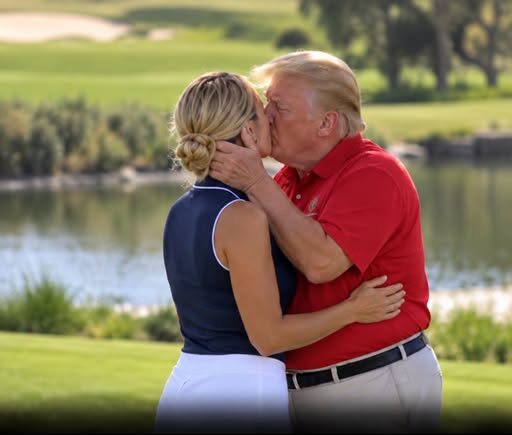
An image appearing to show Donald Trump in an intimate embrace with aide Natalie Harp spread rapidly across social media, creating a wave of speculation about the president, his marriage, and his relationship with the aide.
The photograph appeared convincing enough to trigger immediate reactions from people who encountered it online. Within hours, the supposed moment had become the center of a much larger conversation, with viewers discussing what they believed the image might mean.
What made the situation especially striking was the speed with which the photograph traveled. A single image was enough to create an apparent scandal before many people had an opportunity to question whether the scene shown in it had actually happened.
However, the photograph was not genuine. The supposed golf-course kiss was an artificially created image, turning what initially looked like a personal controversy into another example of how quickly fabricated visual material can spread online.
The White House Rejects the Photograph
The White House dismissed the photograph as inauthentic and directly addressed the image after it began circulating widely.
The White House called it “clearly a fake photo,” making clear that the scene depicted in the image was not a genuine photograph of Trump and Harp.
The denial came after the photograph had already attracted substantial attention. By that point, the image had been viewed, discussed, and interpreted by people who may not have known that it had been fabricated.
The episode illustrates how difficult it can be to reverse the impact of a viral image once it has reached a large audience. Even when an image is later identified as fake, the initial impression can remain with viewers who encountered it before seeing any clarification.
Clues Hidden in the Image
Although the photograph initially appeared convincing, analysts identified details suggesting that it had been generated artificially rather than captured with a camera.
One of the most noticeable irregularities involved Harp’s hand. The image appeared to show her with six fingers, an unusual detail that became an important clue that the photograph had been manipulated or generated using artificial intelligence.
Such visual inconsistencies can be easy to overlook when viewers are focused on the apparent meaning of an image. In this case, attention centered on the supposed kiss and the people involved, while a physical detail within the picture provided an indication that the scene itself was not authentic.
The presence of the unusual hand detail became part of the discussion surrounding the photograph. Instead of documenting a private moment, the image demonstrated how artificial intelligence can produce material that looks realistic while still containing subtle visual errors.
Natalie Harp’s Role Adds to the Attention
Natalie Harp has maintained a highly visible presence alongside Trump, which has contributed to public curiosity surrounding the aide.
She has been described as Trump’s “human printer,” a nickname connected to the constant work and proximity associated with her role. Her frequent presence near Trump has already made her recognizable to people who follow his public activities.
That familiarity helped give the fabricated photograph an appearance of plausibility to viewers who recognized both people in the image. Because Harp is known to spend considerable time around Trump, the photograph could appear believable at first glance despite not representing a real event.
The combination of recognizable people and a seemingly ordinary setting can make fabricated material particularly effective. A viewer may be more inclined to accept an image when the people depicted are already known to have interacted publicly.
Rumors Spread Before the Truth Emerged
As the photograph moved across social media, speculation quickly expanded beyond the image itself. Questions emerged about Trump’s marriage, Harp’s relationship with him, and what the supposed photograph might indicate.
The speed of those reactions demonstrated how quickly an image can become a story of its own. People were not simply examining whether the photograph was genuine; they were already drawing conclusions from what they believed the picture represented.
The controversy therefore developed in two stages. First came the apparent visual evidence, followed by the rumors and reactions that formed around it. Only afterward did the focus shift toward determining whether the image itself could be trusted.
Once the photograph was identified as fake, the central question changed. Instead of asking what the supposed embrace meant, attention turned toward how an artificial image had managed to create such a strong reaction in the first place.
Claims About a Relationship Were Rejected
The circulation of the photograph also prompted discussion about whether there was any romantic relationship between Trump and Harp.
Insiders have insisted that there is no romance between them. Those claims directly contradict the impression created by the fabricated image and reinforce the distinction between what a manipulated photograph appears to show and what is actually known from the information surrounding the incident.
Melania Trump was also drawn into the online discussion because of the rumors created by the photograph. The story included claims that she is quietly relieved that someone else absorbs her husband’s relentless need for attention.
Those comments became part of the broader narrative surrounding the viral image, adding another layer to a controversy that began with a photograph that was not real.
The Larger Problem With Artificial Images
The incident highlights a growing difficulty created by artificial intelligence: realistic-looking images can be produced without an actual event ever taking place.
For people viewing content quickly on social media, the distinction between a genuine photograph and a fabricated one may not always be immediately obvious. An image can appear to provide direct visual evidence even when the scene it depicts never occurred.
That creates a particular challenge when the image involves recognizable public figures. Viewers may already have opinions or expectations about the people shown, making it easier for an emotionally charged photograph to attract immediate attention.
In this case, the photograph did not need to be authentic to produce a real reaction. The outrage, curiosity, and speculation surrounding it were genuine even though the visual material responsible for triggering those responses was fabricated.
Why the Moment Spread So Quickly
The photograph combined several elements capable of attracting attention: recognizable public figures, an apparently intimate moment, and implications involving a marriage and a prominent political figure.
Those elements created an emotionally powerful image that could be understood almost instantly. A viewer did not need a lengthy explanation to understand why the photograph might appear significant.
That simplicity also helped the image travel. Social media users could encounter the picture without the surrounding context and react to what appeared to be obvious evidence of a private encounter.
Only after questions were raised about its authenticity did the details inside the photograph receive closer examination. The unusual hand became one of the clearest indications that what appeared to be a real moment was actually artificial.
A Reminder to Question What Looks Real
The Trump and Harp photograph ultimately became less about an alleged personal scandal and more about the reliability of visual information in an era of artificial intelligence.
The image looked convincing enough to create an immediate emotional response, but its apparent realism did not make it authentic. The discovery of the six-fingered hand provided an important clue, while the White House’s description of the photograph as “clearly a fake photo” rejected the scene altogether.
The episode demonstrates how quickly manufactured content can move from an image into a much larger narrative. Once viewers begin reacting to what they believe they have seen, correcting the original impression can become much harder.
Natalie Harp’s existing visibility beside Trump helped make the fabricated scene appear plausible, while the subject matter gave the image an additional reason to attract attention. Yet none of those factors changed the fundamental fact that the photograph itself was not real.
The Real Story Behind the Viral Image
What initially looked like photographic evidence of an intimate encounter was instead an example of artificial imagery producing a very real public reaction.
The episode shows how a fabricated photograph can quickly become the foundation for rumors about relationships, marriage, and personal conduct. By the time its authenticity was challenged, the image had already generated the emotional response that made it so widely discussed.
Ultimately, the photograph did not document a secret kiss or reveal a genuine moment between Trump and Harp. It demonstrated something else: in the age of artificial intelligence, an image can look real, spread rapidly, and influence public conversation even when the event it depicts never happened.
The controversy therefore serves as a reminder that appearances alone are no longer enough to establish what happened. A convincing image may capture attention instantly, but determining whether it represents reality requires looking beyond the first impression.