
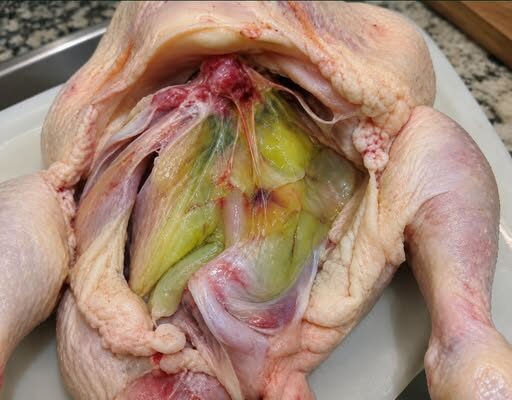
Why Chicken Meat Can Sometimes Turn Green—and When It May Signal a Problem
A Strange Color Can Be Alarming
Cutting into a perfectly prepared roast chicken and discovering green meat can be an unsettling experience. The unusual color immediately raises concerns about whether the food is spoiled, contaminated, or unsafe to eat.
For many people, the first reaction is simple: “poison.” The sight alone can make an otherwise appealing meal suddenly seem dangerous, leaving a fork suspended before the first bite.
Yet green-colored chicken does not always have the same explanation. In some situations, the discoloration can be connected to bruising or a condition affecting the muscles of fast-growing birds.
In other cases, however, green coloring can appear alongside signs that indicate spoilage. Knowing the difference matters because appearance by itself does not tell the entire story.
Green Chicken Is Not Always Rotten
The discovery of green flesh inside chicken can look like an obvious warning sign, but discoloration does not automatically mean that the meat has spoiled. Some chicken can develop a green appearance for reasons unrelated to bacterial spoilage.
One possible explanation is bruising caused by rough handling. In that situation, the unusual color can be connected to damage rather than decay.
That distinction can be difficult to recognize simply by looking at the meat. A person who expects cooked chicken to have a familiar color may understandably find any green area disturbing, even when spoilage is not responsible.
The important point is that green coloring alone does not provide enough information to determine what happened to the chicken.
Green Muscle Disease Can Change the Color
Another explanation mentioned in connection with green chicken is Green Muscle Disease. It is described as a common condition in fast-growing birds in which overworked inner breast muscles die and develop a green color.
One reason this condition can be particularly surprising is that the exterior of the chicken may appear perfectly normal. The unusual discoloration can remain inside the breast muscle, meaning that it may not be visible until the meat is cut open.
That can create an especially startling moment during a meal. The chicken may look normal from the outside, yet a slice through the breast can reveal green tissue beneath the surface.
The condition can therefore produce a dramatic visual change without necessarily meaning that the chicken has become spoiled. The appearance may still be unpleasant enough that someone chooses not to eat the meat.
When Green Meat May Still Be Safe
According to the information in this article, chicken affected by the muscle condition can be technically safe when the meat is fresh, has no odor, and is cooked to 165°F (74°C).
That does not mean everyone will feel comfortable serving it. Color and texture can have a powerful effect on whether food appears appetizing, and green breast meat can be enough to make a person discard the chicken by choice rather than because it is necessarily unsafe.
The distinction is important because food can sometimes look unusual without being spoiled. In these circumstances, the green appearance is associated with the condition affecting the muscle rather than with the signs of decay described later.
Texture can also be off-putting. Even when the chicken meets the conditions described above, an unusual appearance or texture may make the meal unacceptable to the person preparing or eating it.
Look for Other Warning Signs
The situation becomes more concerning when green discoloration appears together with other noticeable changes. A sour or sulfur smell is one warning sign that should not be ignored.
Changes in the surface of the meat can also matter. Sliminess, stickiness, or mushy flesh can accompany spoilage and bacterial growth.
These characteristics create a different picture from chicken that simply contains an isolated area of green muscle discoloration. Instead of unusual color appearing on its own, several unpleasant signs are present at the same time.
When those changes occur together, the issue is no longer simply about whether the color looks strange. Spoilage and bacterial growth become the concern, making the food a poor choice for a meal.
Why Smell and Texture Matter
Green coloring may be the first thing that catches the eye, but other sensory details can provide additional information. The smell of the chicken is one factor to consider when deciding whether it shows signs of spoilage.
A sour or sulfur smell is specifically identified as a warning sign when it accompanies the green color. That unpleasant odor is different from simply discovering unexpected discoloration inside otherwise fresh-smelling meat.
Touch can also reveal changes. Slimy or sticky chicken is another indication that something may be wrong, particularly when those characteristics appear along with an unusual smell and mushy texture.
These signs should be considered together rather than treating the green color as the only deciding factor. The difference between an isolated color change and several signs of spoilage is significant.
Freshness Changes the Picture
Freshness is another important part of the distinction described here. Chicken with an unusual green area may have a different explanation when it remains fresh and odorless than chicken that has developed several unpleasant changes.
The article describes fresh, odorless chicken that has been cooked to 165°F (74°C) as potentially safe even when the green color comes from the muscle condition described above.
By contrast, chicken showing signs associated with spoilage should not be treated as though color were the only issue. Sour or sulfur odors, sliminess, stickiness, and mushy flesh can point toward a more serious problem.
This is why a single glance at the meat may not provide the full answer. The color needs to be considered alongside freshness, smell, and texture.
When in Doubt, Throw It Out
Food can be difficult to judge when something about it looks unusual. A person may be tempted to keep questionable chicken because it seems wasteful to throw away an entire meal over an unexpected patch of color.
However, the article makes a clear distinction between harmless-looking discoloration associated with certain conditions and the combination of changes that can indicate spoilage.
If the chicken has a sour or sulfur smell, feels slimy or sticky, or has become mushy, those signs should not be dismissed simply because the meat might otherwise appear usable.
When there is genuine uncertainty about whether the chicken is spoiled, throwing it away removes the need to gamble on questionable food. No meal is worth ignoring clear warning signs of spoilage.
A Green Breast Does Not Have One Single Explanation
The most surprising lesson is that green chicken does not automatically have one explanation. The color can be connected to bruising from rough handling, or it can result from Green Muscle Disease affecting the inner breast muscles of fast-growing birds.
At the same time, green discoloration accompanied by unpleasant odors or major changes in texture can be associated with spoilage and bacterial growth.
That difference explains why the first reaction to green chicken should not be based on color alone. The surrounding clues provide important context about what may be happening to the meat.
Chicken that is fresh and odorless and has been cooked to 165°F (74°C) falls into a different category from chicken that smells sour or sulfurous and has a slimy, sticky, or mushy texture.
What to Remember Before Taking a Bite
Finding green meat after slicing into chicken can be shocking, but the unusual appearance does not automatically prove that the food is rotten. Some discoloration can occur because of bruising or Green Muscle Disease, particularly in the circumstances described above.
The more concerning situation is when the green color comes with additional signs of spoilage. A sour or sulfur smell, sliminess, stickiness, or mushy flesh should make the chicken a clear candidate for disposal.
The safest approach is to pay attention to the complete picture rather than focusing only on the color. Look at the meat, consider its smell and texture, and take its freshness into account.
When the chicken is fresh, odorless, and cooked to 165°F (74°C), green discoloration does not necessarily mean that it is spoiled. But when multiple signs of spoilage are present or there is uncertainty about the condition of the meat, throwing it away is the safer choice.
That strange flash of green may have a harmless explanation, but it can also appear alongside genuine warning signs. Understanding that difference can help turn a frightening discovery into an informed decision about what belongs on the dinner table and what belongs in the trash.