
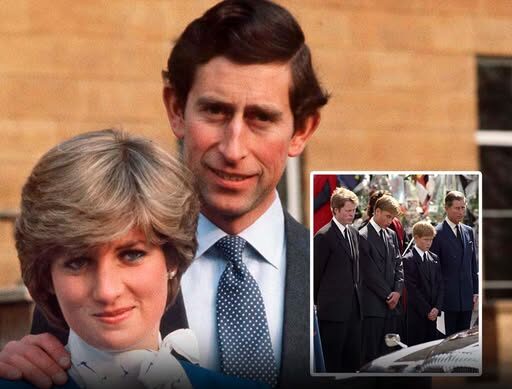
Princess Diana’s Brother Makes New Claim About King Charles’ Reaction to Her Death
Earl Spencer Describes a Disturbing Phone Call Following Diana’s Fatal Paris Crash
The death of Princess Diana on August 31, 1997, shocked people around the world and became one of the most widely mourned events involving the British Royal Family.
Nearly three decades later, Diana’s younger brother, Earl Spencer, has made a new and deeply personal claim about the way King Charles allegedly reacted after learning of her death.
The allegation appears in Spencer’s forthcoming book, Swan Song: Diana, My Sister, in which he reflects on the hours and days surrounding the loss of his sister.
According to Spencer, Charles did not sound devastated when the two men spoke after Diana’s death. Instead, Spencer claims the then-Prince of Wales sounded unusually upbeat.
Princess Diana Died After Paris Car Crash
Princess Diana’s life ended in the early hours of August 31, 1997, following a devastating car crash in Paris.
Diana had been traveling with her boyfriend, Egyptian-born film producer Dodi Fayed, after leaving the Ritz Hotel. Their Mercedes was being driven by Henri Paul, while bodyguard Trevor Rees-Jones was also inside the vehicle.
Paparazzi were following the car when it entered the Pont de l’Alma tunnel at high speed.
The Mercedes crashed inside the tunnel at approximately 12:23 a.m.
Dodi Fayed and Henri Paul died at the scene. Rees-Jones survived the collision.
Diana was still alive when emergency responders reached her.
Medical teams spent valuable time treating her at the crash scene before she was transported toward the hospital. During the journey, however, Diana suffered cardiac arrest inside the ambulance.
Doctors Fought to Save Diana’s Life
Diana arrived at Pitié-Salpêtrière Hospital at approximately 2:06 a.m.
Doctors quickly began examining her and discovered that she had suffered extremely serious internal injuries.
X-rays confirmed the extent of the damage, and she was given a blood transfusion as the medical team worked urgently to stabilize her.
Only about 15 minutes after reaching the hospital, Diana suffered another cardiac arrest.
Surgeon MonSef Dahman led the emergency effort to save her.
Doctors performed surgery and attempted several procedures intended to restart her heart, including electric shocks and cardiac massage.
Despite their efforts, Diana’s injuries were too severe.
Dahman later reflected on the emotional impact of the night.
“The thought that you have lost an important person, for whom you cared personally, marks you for life,” Dahman said years later about the heartbreaking night.
Doctors Initially Believed There Was Hope
Dahman later explained that the hospital was one of France’s leading centers for handling serious emergency cases.
He described the satisfaction doctors experienced when they were able to save critically injured patients and said successful treatment could make medical professionals feel “happy and proud.”
When Diana arrived, the team initially believed there was still a chance to save her.
That hope gradually disappeared as her condition worsened and repeated attempts to restore normal heart function failed.
While doctors in Paris were trying desperately to keep Diana alive, her two sons were hundreds of miles away.
Prince William and Prince Harry were staying at Balmoral in Scotland with their father and grandmother, Queen Elizabeth II.
They were unaware of the full scale of the tragedy taking place in Paris.
By morning, both boys had lost their mother.
A Family and a World in Mourning
Diana’s death devastated far more than the immediate Royal Family.
Her mother lost a daughter, Earl Spencer lost his sister, and millions of people around the world mourned a woman who had become one of the most recognizable public figures of her generation.
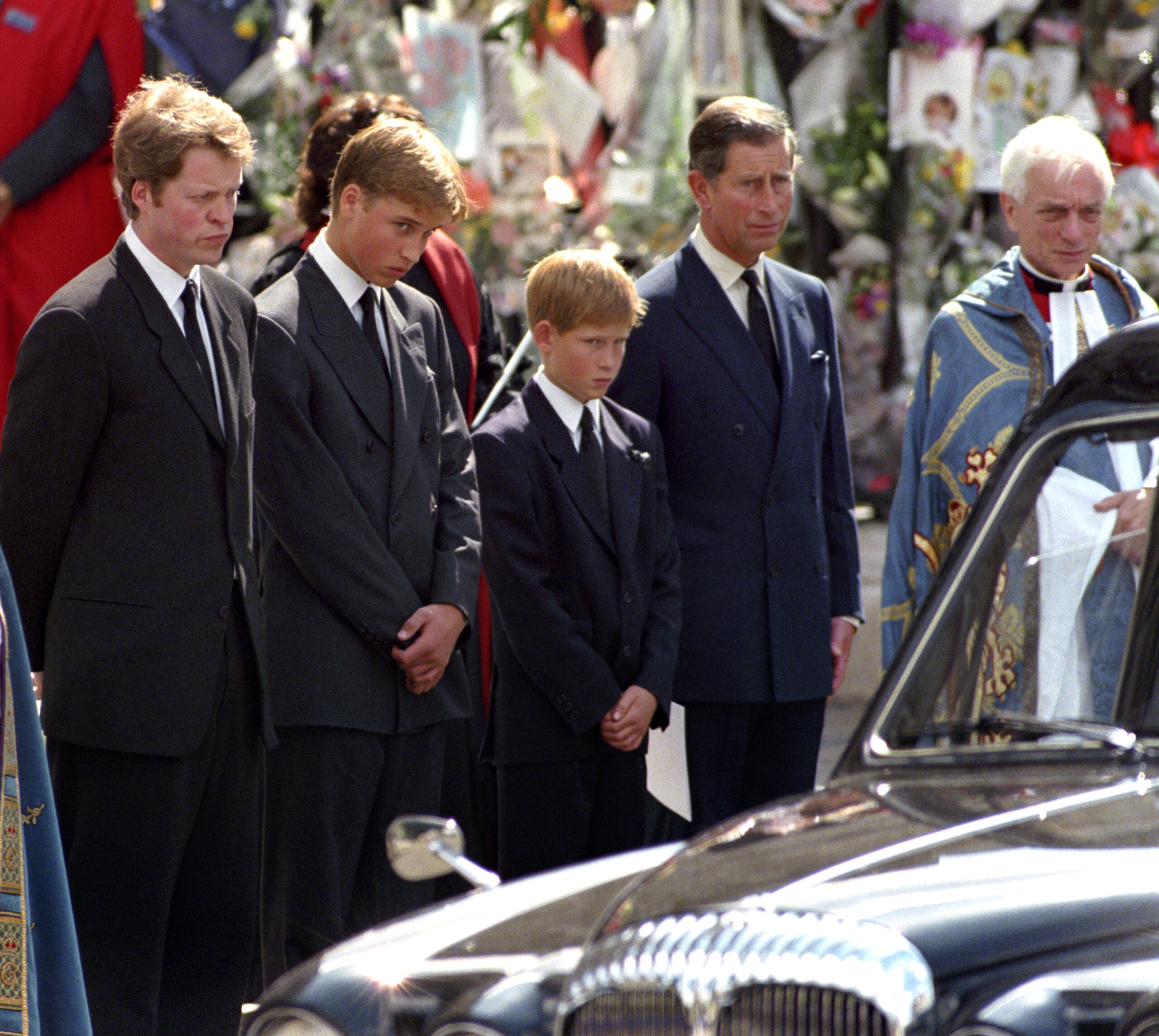
Princess Diana was laid to rest on September 6, 1997.
An estimated 2.5 billion people watched the funeral.
Among the most unforgettable moments was the sight of Prince William and Prince Harry walking behind their mother’s coffin as the funeral cortège moved through London.
William was 15 years old at the time. Harry was just 12.
The emotional images became permanently associated with Diana’s death and the grief surrounding the Royal Family.
Diana Remained Closely Linked to the Royal Family
At the time of Diana’s death, her divorce from Charles had already been finalized.
Their marriage had ended the previous year, and Charles’ relationship with Camilla was already widely known.
Despite the divorce, Diana remained closely connected to the Royal Family because of her sons and because of the enormous public role she had occupied for years.
Her popularity continued after her death, and she remained widely remembered as “The People’s Princess.”
Interest in Diana’s personal life, marriage, divorce and death has remained intense for decades.
Now, Earl Spencer’s forthcoming book is bringing renewed attention to the events surrounding his sister’s final hours and the reactions of those closest to her.
Earl Spencer Makes New Claim About Charles
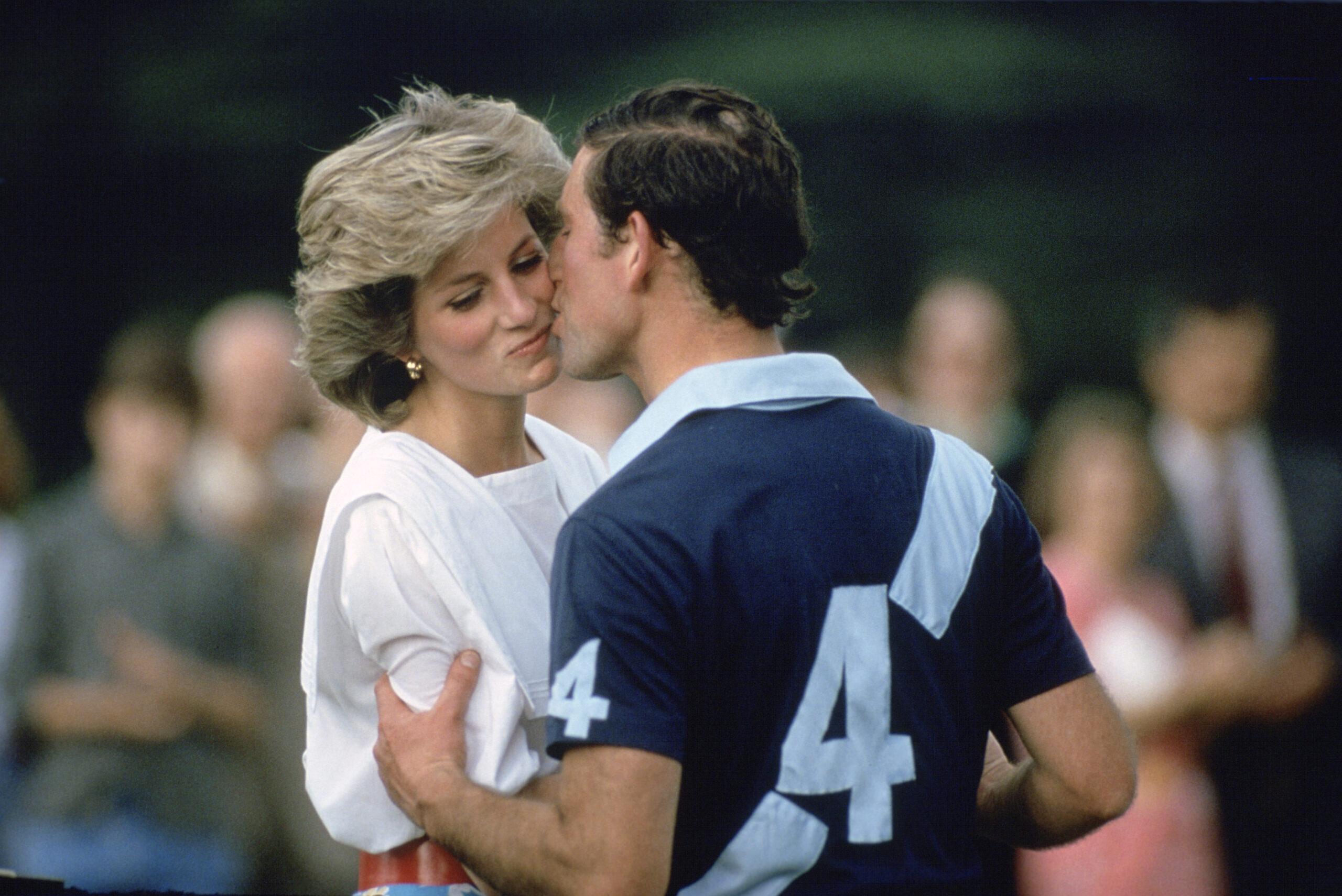
In an excerpt from Swan Song: Diana, My Sister, Spencer describes receiving a phone call from the man who was then Prince Charles.
According to Spencer, the call was unlike the other conversations he had following his sister’s death.
He claims other callers sounded stunned and struggled to express their condolences.
Charles, Spencer alleges, sounded very different.
“Unlike my other callers, who were stunned, barely able to articulate their condolences and offers of help, he sounded giddily elated,” Earl Spencer wrote about King Charles in Swan Song: Diana, My Sister.
The description represents Spencer’s own recollection of the conversation and his interpretation of Charles’ tone.
Spencer Says Charles “Sounded Like a Lottery Winner”
Spencer went even further when describing the impression the phone call left on him.
He recalled thinking that Charles “sounded like a lottery winner” after Diana’s death.
During the conversation, Spencer says Charles also explained that he had already informed William and Harry about their mother’s death.
Spencer claims Charles told him he had informed the boys “first thing in the morning in their bedrooms at Balmoral.”
That detail also remained in Spencer’s memory because of how calmly and directly he says Charles described the moment.
“It all sounded strangely matter-of-fact, given the enormity of the disaster,” Spencer wrote.
He then offered his own interpretation of what Charles may have been thinking at the time.
“Looking back now, I suspect the prince’s first reaction must have been to think more of how this event might free him to marry the woman he loved, rather than appreciating the loss of one he did not,” Spencer continues in the excerpt.
Spencer Reflects on Diana and Charles’ Divorce
Spencer acknowledged that relationships between former spouses can be complicated, particularly after a painful divorce.
He wrote, “It can be hard to feel too much sympathy for an ex-spouse, or those who care for them profoundly, after bitter divorce.”
The comment adds context to the way Spencer now interprets Charles’ reaction decades later.
Diana and Charles had experienced years of highly public difficulties before their marriage officially ended.
By the time of Diana’s death, the divorce had been finalized and both were living separate lives.
Spencer’s book presents his recollection from the perspective of Diana’s brother, who was grieving an extraordinary and sudden loss.
Another Alleged Comment Draws Attention
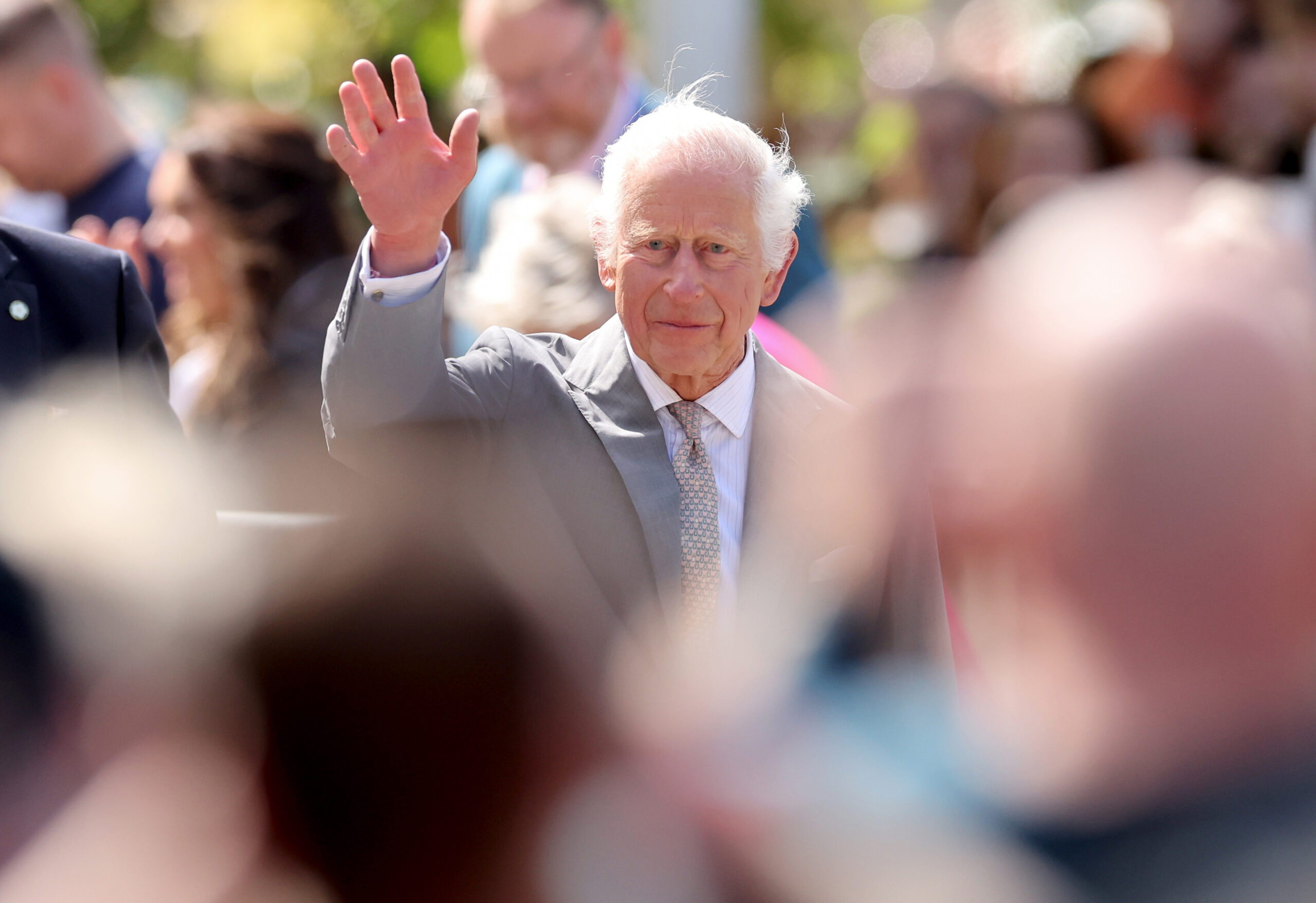
Spencer also makes another striking allegation about something Charles allegedly said in the days following Diana’s death.
According to Spencer, the then-Prince of Wales told him: “Rest assured, we’ll forget her soon enough.”
The comment, as described by Spencer, stands in sharp contrast with the enormous public mourning that followed Diana’s death.
Rather than fading from public memory, Diana remained one of the most discussed members of the Royal Family long after her death.
Her life continues to generate books, documentaries, public discussion and renewed examination of the events surrounding her marriage and fatal crash.
Buckingham Palace Responds to Spencer’s Claims
Buckingham Palace does not always respond publicly to claims made in books about the Royal Family.
In this case, however, the palace issued a statement addressing Spencer’s account.
The statement acknowledged the depth of grief associated with losing a sibling while raising questions about how memory and judgment can be affected over time.
“While we do not comment on books as a matter of principle, His Majesty is mindful that the pain of fraternal grief can cloud reason, affect judgment and color memory in ways others do not recognize, even many years after such a loss.”
The response did not provide an alternative detailed account of the phone conversation described by Spencer.
Instead, it focused on the possibility that grief could influence the way events are remembered decades later.
Diana’s Death Continues to Resonate Decades Later
Princess Diana’s death remains one of the most emotionally significant moments in modern royal history.
Her sudden death at a young age, the circumstances surrounding the Paris crash and the sight of her children mourning publicly created images that have remained powerful for generations.
The tragedy also became deeply personal for the Spencer family.
For Earl Spencer, the events of August 31, 1997, meant losing his sister without warning.
His forthcoming book revisits those memories through his own perspective, including his conversations with members of the Royal Family in the immediate aftermath.
The claims involving Charles are among the most striking passages to emerge from the book because they present a sharply different interpretation of the reaction surrounding Diana’s death.
A Loss That Remains Part of Royal History
Nearly three decades after Diana died, her legacy continues to generate intense public interest.
Her sons, William and Harry, were still children when she was killed, while Charles had already entered a new chapter of his life following their divorce.
Diana’s death permanently altered all of those lives.
Earl Spencer’s new account shows that the emotions surrounding that period remain deeply personal within Diana’s family.
His claims describe Charles through the perspective of a grieving brother attempting to understand the reactions of those around him during one of the most traumatic nights of his life.
Buckingham Palace, meanwhile, has questioned the reliability of that interpretation by emphasizing the effect profound grief can have on memory and judgment.
What remains undisputed is the enormous impact of Diana’s death.
Her funeral was watched around the world, her sons lost their mother at young ages, and her family was forced to confront an irreversible tragedy under extraordinary public scrutiny.
Decades later, Princess Diana remains a defining figure in the history of the Royal Family, and memories of her life and death continue to provoke strong emotions.
Rest in peace, Princess Diana.
What are your thoughts on this? Please share your opinion in the comment section.