
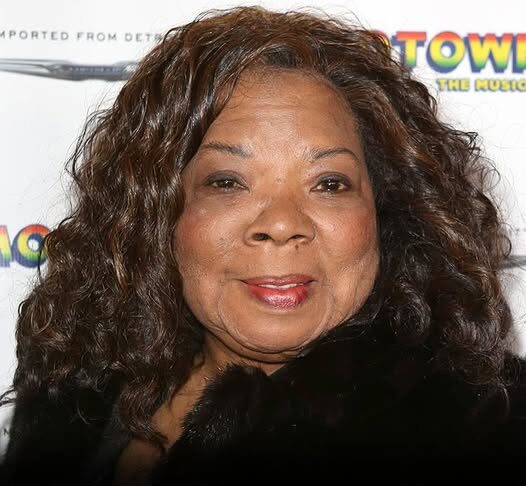
Rosalind Ashford, Original Martha and the Vandellas Singer, Dies at 83
Motown Pioneer Helped Create Some of the Most Memorable Songs of the 1960s
Rosalind Ashford, one of the original members of the legendary Motown group Martha and the Vandellas, has died at the age of 83.
Ashford was part of the vocal group behind enduring hits including “Dancing in the Street” and “(Love Is Like a) Heat Wave,” songs that helped define the sound of Motown during one of the most influential periods in popular music.
She died of natural causes on Tuesday, September 15, 2026, in Redford Township, a suburb of Detroit.
Her death marks the loss of another important figure from the generation of performers who helped transform Motown into an international musical force.
Martha Reeves Pays Tribute to Her Former Bandmate
Martha Reeves reflected on Ashford’s importance to the group following news of her death.
“I am deeply saddened to hear about the passing of Rosalind Ashford,” Martha Reeves told the Detroit Free Press. “Rosalind played an important part in the early days of Martha and the Vandellas. Her voice will forever be with us through our great recordings together, and she will be missed but never forgotten. Our Motown family has just gotten a little smaller. My heart is heavy.”
The tribute highlighted a musical partnership that began decades earlier, before Martha and the Vandellas became one of Motown’s best-known acts.
Ashford’s career started while she was still a student in Detroit, long before the group recorded the songs that would eventually become classics.
Ashford Began Singing While Still in High School
Rosalind Ashford was born on September 2, 1943, in Detroit.
While attending Wilbur Wright High School, she joined Annette Beard and Gloria Williams to form a girl group known as the Del-Phis.
The young singers began developing their harmonies at a time when Detroit was becoming the center of a rapidly growing musical movement.
Martha Reeves later joined the group, which also recorded under the name the Vels.
The singers were still building their identity when an important opportunity arrived in 1962.
Backup Singing Opened the Door to Motown
In 1962, the group began providing background vocals for established performers, including Marvin Gaye and Mary Wells.
Those recording sessions gave the singers valuable exposure inside Motown and eventually attracted the attention of founder Berry Gordy.
Gordy offered the group a recording contract.
After Gloria Williams departed, the remaining singers became Martha and the Vandellas.
The change marked the beginning of a new chapter that would soon bring Ashford and her bandmates national recognition.
“Come and Get These Memories” Became Their Breakthrough
Martha and the Vandellas achieved their first major breakthrough in 1963 with “Come and Get These Memories.”
The record climbed to No. 29 on the Billboard Hot 100 while reaching No. 6 on the R&B chart.
The success established the group as a rising Motown act and introduced their energetic vocal style to a much larger audience.
It would not take long for an even bigger record to follow.
“Heat Wave” Took the Group to Another Level
Later in 1963, Martha and the Vandellas released “(Love Is Like a) Heat Wave.”
The song became one of the group’s defining early hits, reaching No. 4 on the Billboard Hot 100.
Its success also earned the group a Grammy nomination.
Ashford’s vocals were part of the distinctive group sound that helped make the song memorable.
Another early hit, “Quicksand,” followed and reinforced the Vandellas’ growing position within Motown’s expanding roster of successful artists.
“Dancing in the Street” Became a Landmark Recording
The group reached another major milestone during the summer of 1964 with the release of “Dancing in the Street.”
The song rose to No. 2 on the Billboard Hot 100 and became one of the most recognizable recordings associated with Martha and the Vandellas.
Its popularity extended far beyond its original release.
Over the years, “Dancing in the Street” was recorded by other performers, including the Mamas & the Papas and Van Halen.
The continued interest in the song demonstrated how deeply the Vandellas’ music had entered popular culture.
A String of Hits Followed
Martha and the Vandellas continued producing successful records after their breakthrough years.
Among their other notable songs were “Nowhere to Run,” “I’m Ready for Love,” and “Jimmy Mack.”
Each release added to a catalog that would eventually establish the group as one of the signature acts associated with the classic Motown era.
Ashford’s contribution was part of the vocal foundation behind that success.
During her years with the group, she appeared on numerous recordings that reached significant positions on the charts.
Ashford Left the Group in 1969
After years of recording and performing with Martha and the Vandellas, Ashford departed the group in 1969.
Leaving the band did not completely end her connection with music.
She continued performing with former Vandellas singers at various points over the years.
At the same time, Ashford built a life outside the music business and worked for Michigan Bell Telephone Co.
Her career therefore combined a place in Motown history with a more private professional life after her years of chart success.
Her Recordings Became Part of Motown History
Ashford appeared on nearly two dozen Top 40 hits on Billboard’s R&B chart.
The achievement reflected the remarkable consistency of Martha and the Vandellas during their most successful years.
The group emerged during an era when Motown was producing an extraordinary number of influential artists and recordings from Detroit.
Within that competitive environment, the Vandellas established a distinct identity built around strong rhythms, memorable melodies and powerful vocal arrangements.
Ashford’s voice helped shape that sound from the group’s earliest days.
Rock & Roll Hall of Fame Recognition Arrived in 1995
Decades after the group’s biggest hits were released, Martha and the Vandellas received one of music’s most significant honors.
Ashford was inducted into the Rock & Roll Hall of Fame with the Vandellas in 1995.
The group became only the second all-female group to receive the honor at that time.
The induction recognized the lasting influence of recordings that had remained familiar to audiences long after their original chart runs.
For Ashford, the honor represented formal recognition of a musical journey that had begun while she was still a high school student in Detroit.
From the Del-Phis to Internationally Known Motown Hits
Ashford’s career reflected the extraordinary musical environment that developed around Detroit during the early Motown years.
She began alongside Annette Beard and Gloria Williams in the Del-Phis before Reeves joined the developing group.
Their early work as backing vocalists placed them inside recording sessions with performers such as Marvin Gaye and Mary Wells.
Those opportunities eventually brought them to Berry Gordy’s attention and gave them the chance to record under their own identity.
Within only a short period, songs such as “Come and Get These Memories” and “(Love Is Like a) Heat Wave” transformed the singers from promising newcomers into nationally recognized performers.
Then “Dancing in the Street” gave the group a record whose popularity would continue for generations.
Ashford’s Voice Remains Preserved in the Recordings
Although Ashford left Martha and the Vandellas in 1969, her contribution remained permanently preserved in the recordings made during the group’s most celebrated period.
Those songs continued to introduce new listeners to the sound created by Reeves, Ashford and their fellow singers.
Reeves’ tribute following Ashford’s death emphasized that enduring connection.
Her statement that Ashford’s voice would remain through their recordings captured one of the lasting qualities of recorded music.
Long after the original performers leave the stage, the music they created can continue reaching audiences.
A Life Connected to Detroit
Detroit played a central role throughout Ashford’s story.
She was born in the city, attended school there and began singing there before becoming part of the Motown movement.
Her rise happened alongside other artists whose careers helped establish Detroit as one of the most important cities in American popular music.
Even after her years with Martha and the Vandellas ended, her connection to Michigan continued through her work with Michigan Bell Telephone Co.
Ashford ultimately died in Redford Township, just outside Detroit, remaining geographically close to the region where her musical journey began.
Her Family Mourns Her Loss
Beyond her public identity as a Motown performer, Ashford also leaves behind a family.
She is survived by her son, Damon, and four grandchildren.
Funeral arrangements were still pending following her death.
Services were expected to take place at James H. Cole Funeral Home on Schaefer Highway in Detroit.
Her relatives now mourn a mother and grandmother while music fans remember one of the women whose voice helped shape an important period in popular music.
Another Member of the Motown Family Is Gone
Rosalind Ashford’s death at 83 closes another chapter in the history of the musicians who helped create Motown’s classic sound.
Her journey began with a teenage girl group and eventually led to some of the most enduring recordings of the 1960s.
From “Come and Get These Memories” and “(Love Is Like a) Heat Wave” to “Dancing in the Street,” “Nowhere to Run,” “I’m Ready for Love,” and “Jimmy Mack,” Ashford participated in a remarkable series of hits.
Her work brought chart success, a Grammy nomination for the group, and eventually induction into the Rock & Roll Hall of Fame.
Yet perhaps the clearest description of her legacy came from Martha Reeves, who remembered Ashford not simply as a former colleague but as a member of a musical family whose recordings will continue carrying her voice.
For generations of listeners, Rosalind Ashford will remain part of the harmonies, rhythms and unforgettable songs that made Martha and the Vandellas a defining name in Motown history.