
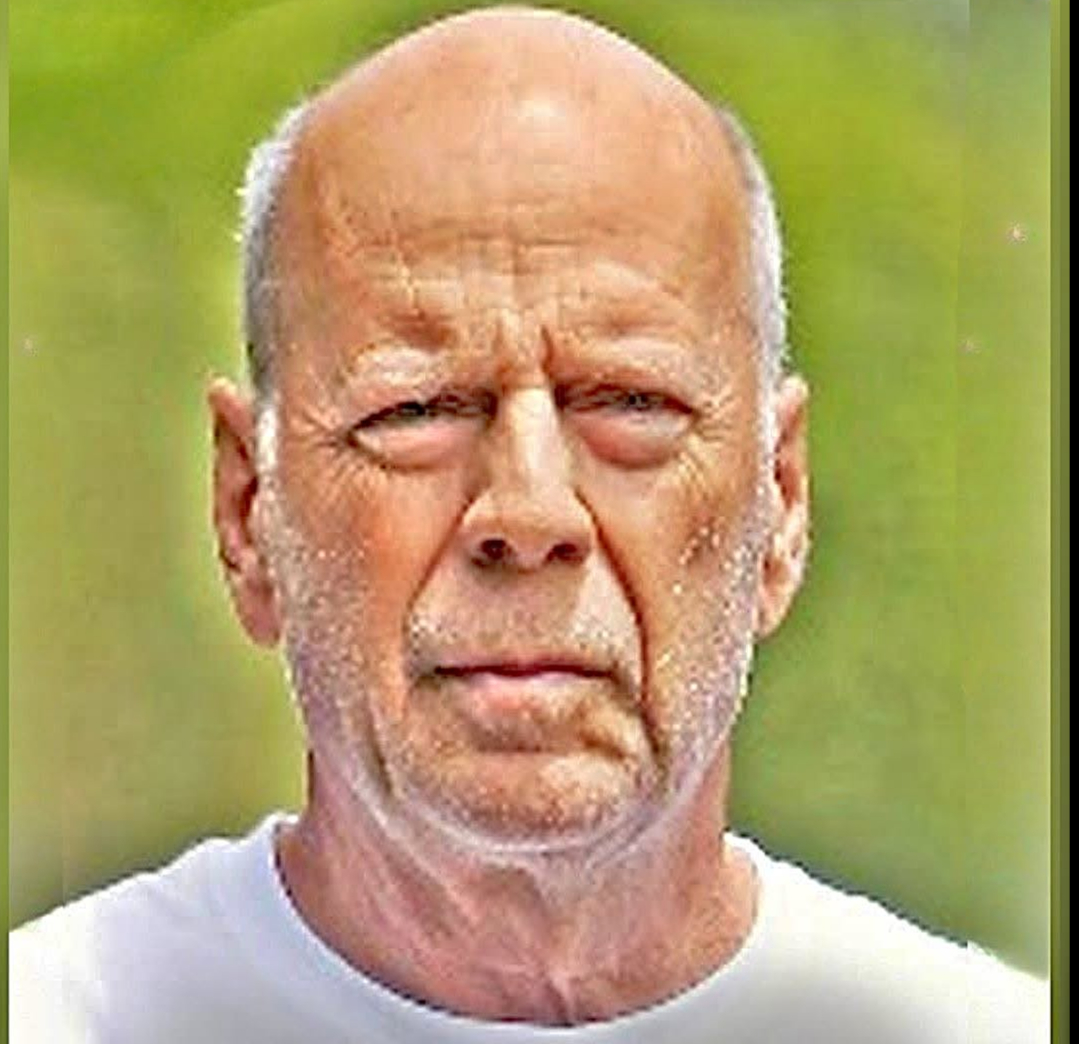
Bruce Willis’s Dementia Battle Has Changed His Family—Now Daughter Rumer Is Looking Closely at Her Own Health
Rumer Willis Says Watching Her Father Live With Frontotemporal Dementia Has Made Questions About Genetics, Aging and Prevention Feel Much More Personal
Bruce Willis’s battle with frontotemporal dementia has profoundly changed life for the people closest to him.
For his eldest daughter, Rumer Willis, that experience has also raised difficult questions about her own health and what her family history could mean for the future.
In August 2026, Rumer revealed that she had undergone APOE genetic testing to learn more about her potential risk of Alzheimer’s disease. She described the process as frightening but said she believes having more information can help people make better decisions about their health.
The Test Was About Alzheimer’s Risk, Not a Diagnosis
Rumer explained that she chose an APOE test because of the illnesses she has seen in her family.
The test is associated with assessing genetic risk for Alzheimer’s disease, but it cannot determine with certainty whether a person will eventually develop dementia.
Rumer said her own result appeared relatively average, describing it as showing some risk but nothing extreme.
That distinction is important because Bruce Willis has frontotemporal dementia, or FTD, which is different from Alzheimer’s disease.
Rumer’s test was therefore not a test showing whether she would develop the same condition as her father.
Bruce Willis’s Family First Announced His Aphasia Diagnosis in 2022
Willis’s family publicly announced in March 2022 that he was stepping away from acting after being diagnosed with aphasia, a condition that affects communication.
Then, on February 16, 2023, the family shared a more specific diagnosis.
They said his condition had progressed and that doctors had identified frontotemporal dementia.
The family described the clearer diagnosis as painful but also said it brought some relief because they finally had a better understanding of what Willis was facing.
Communication Has Become One of the Family’s Biggest Challenges
Willis’s wife, Emma Heming Willis, has spoken publicly about how the disease has affected his ability to communicate.
In 2025, she said that Bruce remained physically mobile and generally healthy but that his language abilities were declining.
She explained that the family had learned to communicate with him differently as the disease progressed.
More recently, Emma has continued discussing how the family has had to adapt to the reality of FTD and the caregiving demands that come with it.
For Rumer, the Loss Is Complicated
Rumer has described experiencing a kind of grief that is difficult to explain.
Her father is still physically present, but the disease has changed parts of the relationship they once had.
In a video released in August 2026, she spoke candidly about those emotions.
“I really miss my dad,” she said. “I miss a different version of who he was.”
She also acknowledged that some days are especially difficult.
She Is Trying to Focus on Who Her Father Is Now
Rather than allowing herself to live entirely in memories of the past, Rumer said she tries to stay present with her father as he is today.
That does not eliminate the grief.
Instead, she described strength as being able to hold both realities at once: missing the father she remembers while still appreciating the moments she has with him now.
There Are Still Moments of Connection
Rumer has also spoken about the tenderness she now sees in her father.
In May 2026, she said Bruce was “OK in the context of what his reality is” and described a softer side of him that has become more noticeable during his illness.
She has expressed particular gratitude that Bruce has been able to meet and spend time with her daughter, Louetta.
For Rumer, those moments have become especially meaningful because she understands how much the disease has changed the family’s sense of time.
His Diagnosis Made Her Think More Seriously About Her Own Future
Watching a parent experience a neurodegenerative disease can naturally make questions about inheritance feel much more immediate.
Rumer has said that she wanted more information about her own health because of several conditions in her family history, not only dementia.
She specifically mentioned relatives who have dealt with breast cancer and other health issues.
For her, genetic testing became one part of a broader effort to become more proactive about her health.
She Said Getting Answers Can Be Frightening
Genetic information can create its own anxiety.
Rumer acknowledged that learning about possible health risks can be intimidating.
At the same time, she said she would rather have information she can discuss with healthcare professionals than simply avoid thinking about difficult possibilities.
Her approach reflects something many families confront after a serious diagnosis: whether knowing more about potential risks brings reassurance, fear, or a mixture of both.
Genetics Cannot Predict Everything
A genetic risk test is not the same as receiving a diagnosis.
Genes can influence susceptibility to certain conditions, but many diseases develop through a complicated combination of genetics, age, environment and other factors.
An APOE result can provide information associated with Alzheimer’s risk, but it does not tell someone with certainty what will happen later in life.
That uncertainty is one reason genetic results are generally most useful when interpreted with qualified healthcare professionals.
FTD Is Different From Alzheimer’s Disease
Bruce Willis’s diagnosis is frontotemporal dementia.
FTD refers to a group of disorders involving degeneration in the frontal and temporal regions of the brain.
Depending on the form, symptoms can involve language, behavior, personality or movement.
In Bruce’s case, his family has emphasized communication difficulties as an important part of his illness.
Alzheimer’s disease and FTD can both cause dementia, but they are not the same condition.
The Willis Family Has Tried to Turn Their Experience Into Awareness
When the family announced Bruce’s FTD diagnosis in 2023, they said they hoped the attention surrounding him could be used to increase awareness of the disease.
They encouraged other families dealing with FTD to seek information and support through organizations such as the Association for Frontotemporal Degeneration.
They also expressed hope that greater awareness would contribute to research and eventually more effective treatments.
Emma Heming Willis Has Become an Advocate for Caregivers
Emma has increasingly spoken about the realities of caring for someone with FTD.
She has discussed the emotional isolation that caregivers can experience and the importance of asking for help.
Her message has often centered on the idea that caregiving should not have to be carried by one person alone.
Her public advocacy has helped shift some of the attention away from celebrity and toward the everyday reality faced by families dealing with progressive neurological disease.
The Entire Family Has Had to Adjust
Bruce shares daughters Rumer, Scout and Tallulah with former wife Demi Moore.
He also shares daughters Mabel and Evelyn with Emma Heming Willis.
The family has remained publicly united around him throughout his illness.
Their 2023 statement announcing his FTD diagnosis was signed jointly by Emma, Demi and all five daughters.
Their public updates have often emphasized connection, privacy and making the most of the time they have together.
Rumer’s Perspective Has Changed With Motherhood
Rumer is also now a mother herself.
She has said that becoming responsible for her daughter has made her think more carefully about longevity and her own future health.
Preventive care, health testing and understanding potential risks have become more meaningful because she wants to remain healthy for her child.
Her Father’s Illness Has Made Time Feel More Precious
For Rumer, the experience is not only about genetics or medical testing.
It is also about learning how to live with an evolving relationship.
There are memories of the father she grew up with.
There is the reality of who he is today.
And there is uncertainty about what the future will look like.
She has spoken openly about trying not to let the sadness erase the connection that is still possible now.
The Family’s Experience Reflects a Difficult Reality of Dementia
Progressive neurological diseases do not affect only the person who receives the diagnosis.
They change relationships throughout an entire family.
Children can find themselves grieving changes in a parent who is still physically present.
Spouses may gradually become caregivers.
Grandchildren experience a different version of someone than older family members remember.
Those emotional changes can be as difficult to navigate as the medical ones.
Rumer Is Choosing Information Over Avoidance
Her decision to undergo testing does not provide certainty about her future.
She knows that.
But she has said that having information makes her feel better equipped to have meaningful conversations about her health and make choices based on what doctors can actually measure.
For her, that is preferable to simply waiting and worrying.
Bruce Willis’s Diagnosis Has Become Part of a Larger Family Story
When Bruce Willis stepped away from acting in 2022, the announcement initially centered on aphasia.
A year later, the family revealed the more specific FTD diagnosis.
Since then, the story has increasingly become about far more than the career of one of Hollywood’s most recognizable actors.
It has become a story about caregiving.
About changing relationships.
About grief that begins before a person is gone.
And, for Rumer, about confronting questions concerning her own future health.
She Misses Who Her Father Was While Loving Who He Is Now
That may be the hardest balance of all.
Rumer has not hidden the fact that she misses the father she remembers.
At the same time, she is trying to appreciate the person still in front of her.
Those two emotions do not cancel each other out.
They coexist.
And as Bruce Willis’s family continues navigating FTD together, Rumer’s decision to learn more about her own health shows how one diagnosis can ripple across generations.
For the Willis family, the disease has brought uncertainty and heartbreak.
But it has also pushed them to speak more openly about dementia, caregiving, research and the importance of being present while meaningful moments are still possible.