
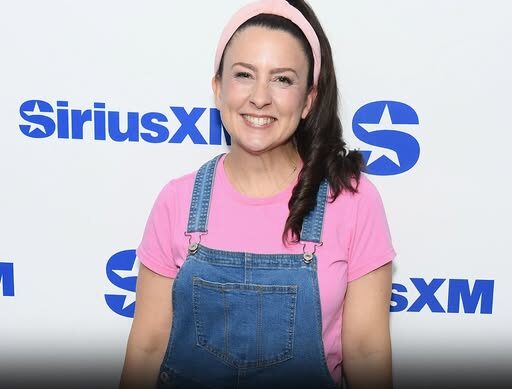
Ms. Rachel Names Three Nursery Rhymes She Believes Should Be Retired Over Their Troubling History
The Popular Children’s Educator Says Some Familiar Songs Carry Historical Associations She Does Not Want Young Viewers Learning
Ms. Rachel has become one of the most recognizable figures in children’s educational entertainment, particularly among families with toddlers and young children.
Her videos are built around simple songs, repetition, speech development, early learning, and direct interaction with young viewers.
But while millions of parents know her primarily for cheerful educational content, Ms. Rachel has also shown that she is willing to speak openly about subjects she considers important.
Recently, she turned her attention toward several nursery rhymes that generations of children have grown up hearing.
And according to Ms. Rachel, some of them should no longer be taught in their traditional form.
Ms. Rachel Says Certain Songs Need to Be “Retired”
The American YouTuber, whose full name is Rachel Accurso, discussed the issue during an appearance on the SubwayTakes podcast.
She was asked about children’s songs and nursery rhymes she believes should no longer be used.
Her answer focused on songs she considers problematic because of their historical associations with racism.
“So the ones that really need to be retired are racist ones. Jimmy Crack Corn, Oh! Susanna, Eeny, meeny, miny, moe,” Ms. Rachel said.
The comments quickly attracted attention because all three are familiar to many people who heard them during childhood.
Her Comments Were About More Than Simply Disliking the Songs
Ms. Rachel was not arguing that every old nursery rhyme should disappear simply because it feels outdated.
Her concern centered specifically on historical context.
Several songs commonly presented today as harmless children’s entertainment developed during periods when racist stereotypes were widely used in popular music and performance.
For Ms. Rachel, that background is enough to question whether they still belong in children’s educational spaces.
“Jimmy Crack Corn” Was One of the Songs She Mentioned
One of the three songs named by Ms. Rachel was “Jimmy Crack Corn.”
The song dates back to the 1840s.
It has been criticized because of its association with slavery and the way enslaved African Americans were represented in entertainment during that period.
Although many modern listeners may know only a simplified children’s version, the historical background is more complicated.
That history is one reason Ms. Rachel believes the song should be retired.
The Song Comes From a Very Different Historical Era
Many nursery rhymes and folk songs survive for generations without listeners knowing much about where they came from.
Children often learn only the melody and familiar lines.
Parents may remember the songs from their own childhood and repeat them without considering the cultural setting in which they were first performed.
“Jimmy Crack Corn” is an example of how a song can become detached from its original context over time.
For Ms. Rachel, recovering that context changes the question of whether the song should continue being taught.
“Oh! Susanna” Was Also Included on Her List
The second song named by Ms. Rachel was “Oh! Susanna.”
The song also emerged during the 19th century.
Its history is connected with blackface minstrel entertainment, a popular form of performance during that era that relied heavily on racist caricatures.
Today, many people know “Oh! Susanna” simply as an old American song.
But Ms. Rachel’s criticism focuses on the history surrounding its creation and early performance.
Modern Versions Can Sound Very Different From Their Origins
One reason discussions like this often become complicated is that songs can change dramatically over time.
Lyrics may be altered.
Offensive language may be removed.
Children may learn versions that appear completely disconnected from the original context.
That creates disagreement over whether changing the lyrics is enough or whether certain songs should simply be abandoned.
Ms. Rachel appears to favor the second option for songs she believes are too closely connected to racist traditions.
“Eeny, Meeny, Miny, Moe” Was the Third Example
The third rhyme she mentioned was “Eeny, meeny, miny, moe.”
For many people today, the rhyme begins with the familiar line about catching a tiger by the toe.
But older versions contained a deeply offensive racial slur.
That word was later replaced in commonly used versions, including the version involving a tiger.
Ms. Rachel included the rhyme among those she believes should be retired because of that history.
Many People Only Know the Modern “Tiger” Version
After clips of Ms. Rachel’s comments circulated online, several people pointed out that they had never heard the offensive version.
One commenter from Ireland explained that the words they always knew were “catch a tiger by the toe.”
That reaction highlights one of the central reasons the discussion became so lively.
For some people, the problematic historical version is completely unfamiliar.
The rhyme they know feels harmless because the offensive language was already removed before they learned it.
The Debate Quickly Spread Across Social Media
Ms. Rachel’s comments prompted a wide range of reactions.
Some viewers agreed with her argument that certain children’s songs should be retired once their history becomes better understood.
Others questioned whether updated versions should still be considered unacceptable if the offensive language has disappeared.
And some simply found the entire discussion surprising because they had never considered where the nursery rhymes originated.
The conversation became less about three individual songs and more about how parents and educators should deal with traditional material that has uncomfortable historical roots.
One Viewer Said They Felt “Seen” by Another Nursery Rhyme Complaint
The discussion also encouraged people to share nursery rhymes they personally disliked for completely different reasons.
One commenter mentioned “Three Little Kittens.”
The person joked about being frustrated by the logic of the story, particularly the part where the kittens are told to wear mittens while eating pie and are then scolded after getting them dirty.
“I feel so seen for hating the three little kittens rhyme. She didn’t even mention the worst part, where the mom tells them to put on their mittens to eat the pie and then SCOLDS THEM FOR GETTING THEM DIRTY? Genuinely always hated that rhyme even when I was a kid.”
The comment showed that once the conversation began, viewers started reexamining many childhood songs they had previously accepted without much thought.
Another Viewer Said They Finally Understood Ms. Rachel’s Popularity
Some reactions focused less on the nursery rhymes and more on Ms. Rachel herself.
One person said they did not have children and therefore had never really heard her speak before.
After watching the podcast clip, they said they understood why she had become so popular.
“I don’t have kids, so I’ve never actually heard Miss Rachel speak before… I now see why everyone loves her.”
The response reflected the loyalty Ms. Rachel has developed among parents who appreciate both her educational style and the principles she brings to her content.
Ms. Rachel Has Built a Huge Audience Through Educational Videos
Rachel Accurso became widely known through online videos designed for babies, toddlers, and preschool-age children.
Her content typically uses slow speech, repetition, songs, gestures, and direct eye contact with the camera.
The format is deliberately simple.
Rather than relying only on flashy animation or fast editing, her videos often focus on language development and participation.
Children are encouraged to repeat sounds, identify objects, sing, and respond to questions.
Parents Often Use Her Videos as a Learning Resource
As tablets, phones, televisions, and online video platforms have become more common in family life, parents have faced growing concerns about screen time.
Many families still use screens when they need to prepare meals, work, travel, or simply manage a busy household.
Ms. Rachel’s videos became especially popular because parents felt the screen time was also educational.
That reputation helped her reach an enormous audience.
For many toddlers, she became one of the first online personalities they recognized.
Her Teaching Background Shapes the Way She Approaches Content
Ms. Rachel’s work is strongly associated with early childhood learning.
Her videos are designed around what she believes helps children engage with language, music, and communication.
That makes her comments about nursery rhymes especially interesting to parents.
She is not simply commenting on songs as entertainment.
She is considering whether certain material belongs in a learning environment designed for very young children.
Her Core Argument Is About What Children Should Be Taught
Ms. Rachel’s broader philosophy appears to be centered on a straightforward idea: adults should think carefully about what they place in front of children.
That includes educational methods.
It also includes language, stories, songs, and historical material.
Traditional does not automatically mean appropriate, according to the logic behind her comments.
If something has remained popular for generations, that does not prevent parents and educators from reconsidering it.
The Word “Banned” Has Made the Discussion More Dramatic
Much of the social media reaction has framed Ms. Rachel’s position as wanting nursery rhymes “banned.”
Her own wording emphasized retiring songs she believes have racist origins.
There is an important difference between those ideas.
Retiring a song from children’s educational content is not necessarily the same as demanding that nobody be allowed to hear or perform it.
But the stronger language naturally attracted more attention online.
Old Children’s Songs Often Have Complicated Histories
The controversy also demonstrates how material created generations ago can take on new meanings.
Something may survive as a children’s rhyme even after the original social context disappears from common memory.
Parents may teach it because their parents taught it to them.
Teachers may use it because it is familiar and easy to remember.
Eventually, the tradition itself becomes the reason for continuing it.
Ms. Rachel’s comments challenge that automatic repetition.
Changing Lyrics Is One Possible Approach
Some traditional songs survive because later generations replace offensive or outdated words.
“Eeny, meeny, miny, moe” is an obvious example.
The widely used “tiger” version removes the racial slur contained in older versions.
For many families, that makes the modern rhyme sufficiently different from its earlier form.
Others, including Ms. Rachel, may feel the history remains significant enough to justify moving on entirely.
There Is No Shortage of Alternative Children’s Songs
Another reason some parents may support retiring problematic material is simply that children have countless alternatives.
Modern educational programs continuously create new songs.
Traditional rhymes without the same concerns remain widely available.
Teachers and parents are not dependent on any one song for language practice, rhythm, counting, or entertainment.
If a particular rhyme makes adults uncomfortable, replacing it is relatively easy.
Others Believe Historical Context Should Not Automatically Erase Modern Versions
The opposing view is that songs can evolve.
A child learning a modern version may have no connection at all to the offensive history associated with an older version.
From that perspective, replacing problematic lyrics may be enough.
That argument helps explain why people who grew up with “catch a tiger by the toe” were surprised to see the rhyme included in Ms. Rachel’s list.
To them, the rhyme they know is already different.
The Debate Raises a Larger Question About Tradition
Parents regularly inherit songs, games, stories, and sayings from earlier generations.
Most are passed down without anyone researching where they originated.
Ms. Rachel’s comments invite families to consider whether tradition alone should be enough to preserve something.
For some people, knowing the history will change how they feel about a rhyme.
For others, a changed modern version will feel separate enough from the past.
That disagreement is unlikely to disappear.
Ms. Rachel’s Influence Makes Her Opinions Travel Quickly
If the same comments had come from a less recognizable person, they might have attracted relatively little attention.
But Ms. Rachel has an enormous audience among parents and young children.
Her recommendations influence what families watch, sing, and repeat at home.
That gives her comments about children’s content unusual reach.
A brief podcast discussion can quickly turn into a much broader debate among millions of parents.
She Has Never Limited Herself Entirely to Entertainment
Ms. Rachel has previously spoken publicly about issues she considers important.
Her willingness to address controversial subjects means her online identity is not limited to songs and early childhood exercises.
That has earned her strong support from some followers and criticism from others.
Her latest comments about nursery rhymes fit within that pattern.
She is willing to connect her values with the material she chooses to teach children.
Parents Ultimately Decide What Their Children Hear
Despite the debate, families remain free to decide which nursery rhymes they use at home.
Some parents may remove the three songs Ms. Rachel mentioned.
Others may continue using modern versions while explaining the history when their children are older.
Some may decide the controversy does not affect how they feel about the songs at all.
Ms. Rachel’s comments have not ended that discussion.
They have simply brought it into wider public view.
The Controversy Shows How Childhood Traditions Can Change
Nursery rhymes may seem permanent because people have heard them for generations.
But children’s culture has always changed.
Words are updated.
New songs replace older ones.
Educational priorities shift.
Things once considered normal can eventually disappear from classrooms and homes.
Ms. Rachel’s suggestion is essentially that these three songs have reached that point.
Her Three Choices Have Started a Conversation Far Beyond the Songs Themselves
“Jimmy Crack Corn,” “Oh! Susanna,” and “Eeny, meeny, miny, moe” may have been the specific examples Ms. Rachel named, but the reaction has become much broader.
People are now reconsidering songs they learned as children.
They are looking up origins they never previously questioned.
They are debating whether changing offensive lyrics is enough.
And they are discussing what responsibilities adults have when passing traditional material to another generation.
Ms. Rachel Believes Children’s Content Should Reflect the Values Adults Want to Teach
At the center of Ms. Rachel’s argument is the idea that children absorb more than melodies.
The songs, stories, and words adults repeat around them become part of their early understanding of the world.
For that reason, she believes adults should be willing to reconsider material when its history conflicts with the values they want children to learn.
Her recommendation to retire three familiar nursery rhymes will not convince everyone.
But it has succeeded in doing something else.
It has made thousands of people stop and think about songs they may have repeated for years without ever asking where they came from.
And for Ms. Rachel, that conversation appears to be exactly the point.