
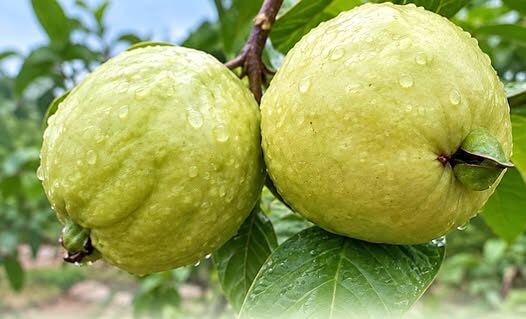
Guava and Blood Sugar: Why This Tropical Fruit Is Getting Attention
A Familiar Fruit With an Interesting Nutritional Profile
Guava may look like an ordinary tropical fruit, but its combination of fiber, vitamins, minerals, and naturally occurring plant compounds has attracted growing interest among people trying to support healthier eating habits.
Its naturally sweet flavor can make it appealing as a snack, yet whole guava also contains fiber that slows digestion compared with many highly processed sweet foods.
That difference matters when thinking about blood sugar.
Foods that contain fiber generally cause glucose to enter the bloodstream more gradually than foods dominated by rapidly absorbed carbohydrates.
For people trying to keep their energy and blood sugar levels steadier throughout the day, whole fruit can therefore be a more balanced choice than sugary desserts, sweetened drinks, or fruit juices.
Why Fiber Matters
One of guava’s most useful nutritional features is its fiber content.
Fiber slows digestion and can reduce how quickly carbohydrates are absorbed.
This may help moderate the rise in blood glucose that occurs after eating.
Fiber also contributes to fullness, which can make it easier to avoid frequent snacking or excessive portions later in the day.
The effect is particularly relevant when guava is eaten in its whole form rather than processed into juice.
Juicing removes or significantly reduces much of the natural fiber and makes it easier to consume a larger amount of fruit sugar very quickly.
Whole Guava Is Different From Guava Juice
A fresh guava and a sweetened guava drink should not be treated as the same food.
The whole fruit contains its natural fiber and requires chewing, both of which slow consumption.
Commercial juices and drinks can contain added sugar and may deliver carbohydrates much faster.
For someone concerned about blood sugar, choosing fresh guava without added sugar is generally more sensible than relying on sweetened beverages.
Portion size still matters, especially for people who need to monitor their carbohydrate intake closely.
Vitamin C and Other Nutrients
Guava is also known for containing vitamin C.
Vitamin C acts as an antioxidant and plays important roles in immune function, tissue repair, and several other normal processes in the body.
The fruit also provides potassium and a variety of naturally occurring plant compounds.
These nutrients make guava a useful addition to an overall balanced diet.
However, no single nutrient or fruit should be viewed as a treatment for diabetes or another medical condition.
What Antioxidants May Contribute
Guava contains antioxidant compounds, including several types of flavonoids and other plant chemicals.
Antioxidants help protect cells from oxidative stress.
Researchers continue to study how diets rich in fruits, vegetables, and other plant foods may support long-term metabolic and cardiovascular health.
That does not mean eating guava produces an immediate medical effect.
Its potential value is better understood as part of an overall eating pattern that emphasizes minimally processed foods, adequate fiber, and appropriate portion sizes.
What About Guava Leaf Tea?
Interest in guava extends beyond the fruit itself.
Guava leaves have traditionally been prepared as tea in several cultures, and researchers have examined whether compounds in the leaves might influence digestion and post-meal blood glucose.
Some studies have suggested that guava leaf preparations may reduce the rise in blood sugar after meals.
However, research is still limited compared with established medical treatments.
Results from small studies or laboratory research should not be interpreted as proof that guava leaf tea can treat or reverse diabetes.
It Is Not a Replacement for Medication
One of the most important distinctions is the difference between a nutritious food and a medical treatment.
Guava may fit well into a balanced diet, but it should not replace prescribed diabetes medication, insulin, medical monitoring, or professional nutritional advice.
People taking blood-sugar-lowering medications should be especially cautious about adding concentrated herbal products or supplements without discussing them with a healthcare professional.
Natural does not automatically mean risk-free.
How to Include Guava in a Balanced Meal
Fresh guava can be eaten on its own or combined with other foods.
Pairing fruit with protein, healthy fats, or other fiber-rich foods can create a more balanced meal or snack.
For example, guava may be enjoyed alongside plain yogurt, nuts, seeds, or as part of a meal containing vegetables and protein.
Eating it this way can be more satisfying than consuming fruit alone when someone is trying to avoid rapid hunger afterward.
Should You Eat the Skin?
Guava is often eaten with its skin, provided the fruit has been washed thoroughly.
The skin contributes additional fiber and plant compounds.
People who prefer a softer texture may remove it, but doing so also removes some of the fruit’s fiber.
As with any fresh produce, proper washing and storage are important.
Blood Sugar Is Influenced by More Than One Food
It is easy to focus on one ingredient when trying to improve health, but blood sugar regulation depends on a much broader pattern.
Total carbohydrate intake, portion size, physical activity, sleep, medications, stress, body composition, and individual metabolism can all influence glucose levels.
A person could eat guava regularly and still have poorly controlled blood sugar if the rest of the diet and treatment plan were not appropriate.
Likewise, someone does not need guava specifically to maintain a healthy diet.
Many fruits and vegetables can provide fiber, vitamins, minerals, and beneficial plant compounds.
A Better Alternative to Highly Processed Sweets
Where guava may be particularly useful is as a substitute.
If someone normally reaches for candy, pastries, or sweetened snacks, replacing some of those foods with a portion of whole fruit can improve the overall nutritional quality of the diet.
The goal is not to find a fruit that magically lowers blood sugar.
It is to make repeated choices that reduce heavily processed foods and increase nutrient-rich options.
Over time, those habits can matter considerably more than any single so-called superfood.
Traditional Use and Modern Research
Guava has been used as both food and part of traditional practices for generations.
Modern researchers are now studying some of the same plants that have long histories of traditional use.
That scientific interest is valuable, but traditional use alone does not prove that a food or herbal preparation can prevent or cure disease.
Strong health claims require strong clinical evidence.
For now, guava is best viewed as a nutritious fruit with characteristics that can fit comfortably into a blood-sugar-conscious diet.
A Small Change That Can Still Be Meaningful
Healthy eating does not always require dramatic changes.
Sometimes improvement begins with simple substitutions.
Choosing fresh fruit instead of a sugary snack, eating more fiber, drinking fewer sweetened beverages, and building meals around minimally processed foods can all contribute to a healthier routine.
Guava can be one part of that approach.
Its sweetness makes it enjoyable, while its fiber and nutrient content give it advantages over many processed treats.
For people who enjoy the fruit, that combination can make it an easy addition rather than another restrictive dietary rule.
The Bottom Line
Guava is not a cure for diabetes, and it should not be promoted as a replacement for medical treatment.
But as a whole fruit, it offers fiber, vitamin C, potassium, and a variety of plant compounds while providing natural sweetness.
Some research has also explored guava leaf preparations and their possible effect on blood glucose after meals, although more evidence is needed before strong conclusions can be made.
The simplest approach is also the most practical: enjoy fresh guava as part of a varied, balanced diet, avoid turning it into a heavily sweetened drink, and keep realistic expectations about what any single food can accomplish.
What looks like a humble tropical fruit may not be a miracle treatment, but it can still be a nutritious and enjoyable part of healthier everyday eating.