
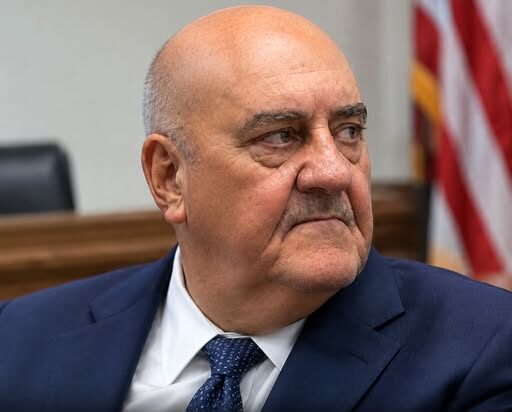
Beasley Executed in Florida Decades After Woman Was Found Dead in Her Home
Final Moments at Florida State Prison
Decades after a woman was found dead inside her Florida home, Beasley spent his final moments at Florida State Prison near Starke, closing a criminal case that had stretched back to the summer of 1995.
He was pronounced dead at 6:12 p.m. Tuesday after the execution procedure was carried out.
Before the execution drugs were administered, Beasley was given an opportunity to make a final statement.
“I want to apologize for all the mistakes I made.”
A spiritual adviser sat beside him during his final moments.
The brief apology became Beasley’s last publicly described statement before his death.
No Public Response to the Final Apology Was Included
Although Beasley used his final statement to express regret, the available account did not include a public response from the victim’s family or from Beasley’s family.
That left his apology standing on its own, without any indication of how those most closely connected to the case received it.
For a crime dating back more than three decades, the execution represented the end of the criminal proceedings, but it could not erase the years of loss and consequences surrounding the case.
The words spoken immediately before his death added one final moment to a story that began with a family unable to reach a loved one.
His Final Meal Was Simple
Before the execution, Beasley received a final meal consisting of grilled cheese sandwiches and ice cream.
Florida rules allow people facing execution to request a final meal within specific limits.
The requested food must be locally available, and its total cost cannot exceed $40.
Beasley’s selection was therefore relatively simple compared with the seriousness of the event that followed.
After the meal and final preparations, he was accompanied by the spiritual adviser as the scheduled execution approached.
The Case Began in August 1995
The crime at the center of the case occurred in August 1995.
Monfort’s daughter became concerned after she was unable to reach her mother for two days.
She eventually went to Monfort’s home in Dundee.
Inside, she discovered her mother dead.
The discovery began an investigation that would eventually lead authorities to Beasley and result in convictions for murder, robbery, and grand theft auto.
For Monfort’s daughter, the case did not begin with a courtroom or police announcement. It began with the deeply personal experience of searching for her mother after repeated attempts to make contact had failed.
Investigators Found Evidence Near the Scene
Authorities examining the home discovered a bloodied hammer head nearby.
The object became part of the investigation into Monfort’s death.
Investigators also received information connecting Beasley to Monfort’s vehicle.
A witness linked him to the vehicle, giving authorities another important piece of information as they worked to determine what had happened.
The investigation therefore involved both physical evidence associated with the home and information concerning the victim’s automobile.
Beasley Left Florida
After the killing, Beasley fled Florida.
His departure did not end the investigation.
Authorities continued pursuing the case until he was arrested.
The arrest eventually moved the case from an investigation into a criminal prosecution.
Several years after Monfort was found dead, Beasley faced trial for the offenses connected to her death and the taking of her property.
He Was Convicted in 1998
In 1998, Beasley was convicted of murder, robbery, and grand theft auto.
The convictions formally established his criminal responsibility in the case and began the long period between trial and execution.
By the time he was put to death, approximately three decades had passed since Monfort’s daughter had discovered her mother inside the Dundee home.
The lengthy passage of time meant the case extended across generations of legal proceedings and family grief before reaching its final stage.
The Victim’s Vehicle Became Part of the Case
Monfort’s vehicle was an important element of the investigation.
A witness connected Beasley to it, helping investigators establish another link between him and the crime.
That detail later formed part of a case that resulted not only in a murder conviction but also convictions for robbery and grand theft auto.
The combination of charges reflected the different criminal acts prosecutors established during the proceedings.
By 1998, the investigation that began inside the Dundee home had resulted in Beasley’s conviction on all three offenses.
A Case That Lasted for Decades
The distance between the original crime and Beasley’s execution was substantial.
Monfort was found dead in August 1995.
Beasley was convicted in 1998.
His execution occurred decades later at Florida State Prison.
That timeline meant the consequences of the crime remained present for many years after the initial investigation and trial had ended.
For the families connected to the case, the legal process existed alongside the much longer personal reality created by Monfort’s death.
A Spiritual Adviser Remained Beside Him
During Beasley’s final moments, a spiritual adviser sat beside him.
The adviser’s presence accompanied the final statement Beasley delivered before the execution drugs were administered.
His words were brief and did not provide a lengthy reflection on the crime, the victim, or the years that had followed.
Instead, he offered a general apology.
“I want to apologize for all the mistakes I made.”
The available account did not provide additional remarks from him after that statement.
The Apology Came Only Minutes Before His Death
Final statements can become the last public words associated with a person whose criminal case has lasted for years.
In Beasley’s case, the apology came immediately before the execution procedure.
There was no indication in the available account that either family publicly responded to the statement afterward.
As a result, it remained unclear whether the apology offered any comfort, anger, closure, or other reaction to people personally affected by the case.
The account established only what Beasley said and the circumstances surrounding his final moments.
The Crime Left a Long Aftermath
Although the execution ended Beasley’s criminal case, the events surrounding Monfort’s death began long before the final night at Florida State Prison.
The first sign of trouble came when Monfort’s daughter could not contact her mother for two days.
Her decision to go to the Dundee home led to the discovery that would begin the investigation.
From there, authorities found evidence near the home, connected Beasley to Monfort’s vehicle through a witness, and pursued him after he fled Florida.
Each stage moved the case toward the convictions eventually entered in 1998.
The Final Meal Followed Florida’s Established Rules
Beasley’s final meal consisted of grilled cheese sandwiches and ice cream.
The food was provided under Florida’s rules governing final meal requests.
Those rules set a maximum cost of $40 and require that the requested items be available locally.
Nothing in the account indicated that Beasley requested anything beyond those basic items.
The meal became one of the last details recorded before the execution proceeded.
The Execution Took Place Near Starke
Beasley’s execution was carried out at Florida State Prison near Starke.
He was officially pronounced dead at 6:12 p.m. Tuesday.
The time marked the formal conclusion of a legal case that had begun with a killing in Dundee decades earlier.
Between those two moments were the investigation, Beasley’s departure from Florida, his eventual arrest, the trial, the convictions, and the years that followed.
The final procedure lasted only a short period compared with the decades-long history behind it.
The Case Began With a Daughter Looking for Her Mother
Behind the legal timeline was the moment when Monfort’s daughter realized something was wrong.
She had been unable to reach her mother for two days.
That silence eventually led her to the Dundee residence.
What she found there transformed a family concern into a homicide investigation.
Investigators arrived at a scene where a bloodied hammer head was found nearby, and the search for answers began.
The details discovered afterward would lead authorities toward Beasley.
His Flight Did Not Prevent His Prosecution
Beasley fled Florida after the crime, but he was eventually arrested.
His attempt to leave the state did not prevent authorities from bringing the case to trial.
Three years after the killing, he was convicted.
The murder conviction was accompanied by convictions for robbery and grand theft auto.
Those convictions remained the legal foundation of the case through the decades that followed.
The Execution Ended the Criminal Proceedings
With Beasley pronounced dead at 6:12 p.m., there were no further criminal proceedings for him in connection with Monfort’s death.
The execution represented the final legal consequence in a case that had remained active for decades.
It also returned attention to events that began in 1995, when Monfort’s daughter discovered her mother after two days without contact.
The passage of time did not change the central facts that shaped the case: a woman was found dead in her own home, investigators identified evidence, Beasley fled, and he was later arrested and convicted.
No Final Reaction From Either Family Was Publicly Described
The final account did not include statements from Monfort’s relatives following the execution.
It also did not include a reaction from Beasley’s family.
That absence means there is no basis for describing the execution as providing closure, relief, forgiveness, or reconciliation for either side.
Such conclusions would go beyond what was publicly described.
What is known is that Beasley apologized shortly before his death and that the case formally ended decades after Monfort was killed.
A Brief Statement Closed a Decades-Long Case
Beasley’s final words were much shorter than the history that brought him to the execution chamber.
“I want to apologize for all the mistakes I made.”
He spoke those words with a spiritual adviser beside him before the execution drugs were administered.
Shortly afterward, he was pronounced dead at 6:12 p.m.
The execution ended the criminal case, but the events leading to it stretched back to August 1995 and the discovery inside Monfort’s Dundee home.
A bloodied hammer head, testimony connecting Beasley to Monfort’s vehicle, his flight from Florida, his arrest, and his 1998 convictions all became parts of the long legal history that followed.
Decades later, Beasley’s final apology became the last public statement associated with that history.
Neither family’s response to those words was publicly reported, leaving the apology without a recorded answer as the case reached its final conclusion.