
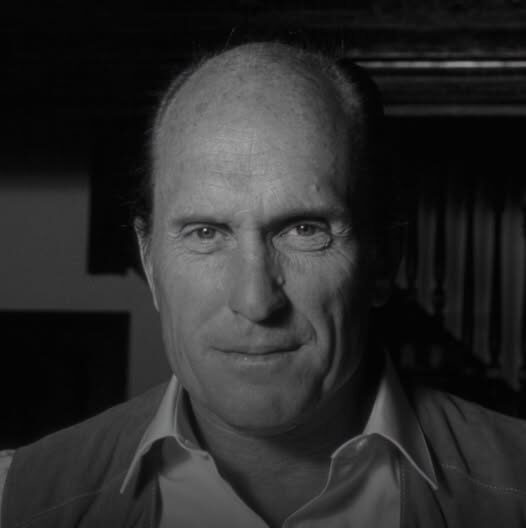
Robert Duvall Dies at 95: Hollywood Mourns the Legendary Actor Behind The Godfather and Tender Mercies
The Academy Award-Winning Actor Died Peacefully at His Virginia Home, Leaving Behind More Than Six Decades of Unforgettable Film and Television Performances
Hollywood has lost one of its most respected performers. Robert Duvall, the Academy Award-winning actor whose unforgettable roles helped shape generations of American cinema, died on February 15, 2026, at the age of 95.
His death was confirmed by his wife, Luciana Duvall, and his representative. The acclaimed actor passed away peacefully at his home in Middleburg, Virginia, with his wife by his side.
For more than six decades, Duvall built a remarkable career portraying characters whose quiet intensity, emotional complexity, and unmistakable humanity left a lasting impression on audiences.
From Tom Hagen in The Godfather to Lieutenant Colonel Bill Kilgore in Apocalypse Now, his performances became part of cinema history.
His portrayal of troubled country singer Mac Sledge in Tender Mercies earned him the Academy Award for Best Actor, confirming his reputation as one of the most versatile performers of his generation.
But Duvall’s legacy extended far beyond one Oscar or a handful of celebrated films.
He was an actor who could transform a brief silence, a subtle expression, or a carefully delivered sentence into a moment audiences remembered for years.
Robert Duvall Passed Away Peacefully at His Virginia Home
Robert Duvall died on Sunday, February 15, 2026, at his home in Middleburg, Virginia.
His wife, Luciana, announced his passing in a statement shared the following day.
The statement described a peaceful farewell, surrounded by love and comfort.
The actor had long maintained a connection to rural Virginia, where he enjoyed a life away from the constant activity of Hollywood.
His home provided a quieter setting that contrasted with the demanding film productions and public appearances that characterized much of his professional life.
The announcement brought an end to a remarkable career that had begun decades earlier and continued into the twenty-first century.
Although Duvall had reached 95, the news represented a significant loss to film enthusiasts familiar with his work.
For many, his passing marked the departure of one of the defining actors of an influential era in American filmmaking.
His Wife Luciana Remembered the Man Behind the Famous Roles
Following his death, Luciana Duvall shared a personal tribute to her husband.
Her statement reflected the difference between the actor admired by millions and the person she knew privately.
For audiences, Robert Duvall was an Oscar-winning performer, director, and storyteller.
For his wife, he was a beloved companion whose passion for his work was only one part of his life.
She emphasized his dedication to the characters he portrayed and his interest in the human experiences behind their stories.
The tribute provided a reminder that, behind the public recognition and celebrated performances, Duvall had personal relationships and interests that mattered deeply to him.
It also reflected the seriousness with which he approached acting throughout his career.
His performances were not simply exercises in delivering dialogue. They were efforts to portray believable people with complicated emotions, histories, and motivations.
A Hollywood Career That Spanned More Than Six Decades
Robert Duvall’s professional journey extended across an extraordinary period of change in American entertainment.
He worked through the emergence of modern Hollywood filmmaking, the expansion of television drama, and the arrival of new generations of actors and directors.
Throughout those changes, he maintained a recognizable commitment to naturalistic performance.
His characters often appeared restrained on the surface while suggesting complicated emotions underneath.
He could portray intimidating authority figures, vulnerable individuals, troubled fathers, determined lawmen, and men confronting personal regret.
The breadth of those roles distinguished him from performers closely associated with a single type of character.
Even when he appeared in supporting roles, he frequently created a lasting impression.
That ability became one of the defining features of his career.
His Early Film Career Included To Kill a Mockingbird
One of Duvall’s earliest memorable film appearances came in the 1962 adaptation of To Kill a Mockingbird.
He portrayed Arthur “Boo” Radley, a mysterious and misunderstood figure whose importance gradually becomes clear within the story.
The role required an unusual degree of restraint.
Duvall communicated much of the character’s significance without relying on extensive dialogue.
His performance demonstrated a talent that would become increasingly important throughout his career: the ability to convey meaning through expression, movement, and silence.
Although the character was not the film’s central figure, Duvall made a memorable contribution to the emotional impact of the story.
The appearance helped introduce audiences to an actor whose understated style would later become one of his greatest strengths.
The Godfather Made Robert Duvall an Essential Part of Film History
In 1972, Duvall appeared in Francis Ford Coppola’s The Godfather, portraying Tom Hagen, the trusted lawyer and adviser to the Corleone family.
Surrounded by characters known for their powerful personalities and dramatic confrontations, Hagen often represented a quieter form of authority.
He was thoughtful, controlled, and careful with his words.
Duvall gave the character an intelligence that was apparent even when he was not speaking.
His restrained performance created an effective contrast with the more volatile members of the crime family.
Rather than competing for attention through dramatic gestures, he made Tom Hagen compelling through calmness and precision.
The role became one of the most recognizable performances of Duvall’s career.
It also earned him an Academy Award nomination for Best Supporting Actor.
Why Tom Hagen Remains One of His Most Memorable Characters
Tom Hagen was not the loudest or most physically imposing member of the Corleone family’s inner circle.
His influence came from his ability to analyze situations, advise others, and maintain composure during moments of tension.
Duvall understood how to communicate that authority without exaggeration.
A glance, pause, or change in tone could reveal the character’s concerns.
His performance made Hagen believable as someone trusted to navigate complicated family and business relationships.
He returned to the role in The Godfather Part II, further strengthening the character’s place within the celebrated film series.
Across both appearances, Duvall demonstrated that a supporting performance could become central to the atmosphere and credibility of an entire story.
For many admirers, Tom Hagen remains an enduring example of his ability to make restraint feel powerful.
Apocalypse Now Revealed a Completely Different Side of His Talent
In 1979, Duvall delivered another landmark performance in Apocalypse Now.
Playing Lieutenant Colonel Bill Kilgore, he portrayed a military officer whose confidence and unsettling enthusiasm created one of the film’s most memorable personalities.
The character was very different from the controlled, thoughtful Tom Hagen.
Kilgore was forceful, commanding, and capable of moving through chaotic circumstances with an almost disturbing sense of certainty.
Duvall embraced the character’s contradictions, creating a performance that could be both darkly humorous and deeply unsettling.
His relatively limited screen time did not diminish the impact of the role.
Instead, the performance became one of the defining elements of the film.
It brought Duvall another Academy Award nomination and reinforced his reputation for extraordinary versatility.
From Quiet Authority to Unsettling Confidence
The difference between Duvall’s performances in The Godfather and Apocalypse Now illustrates the range of his acting ability.
Tom Hagen relied on careful judgment and controlled expression.
Lieutenant Colonel Kilgore projected boldness and an almost theatrical confidence.
Both characters were memorable, but they required completely different approaches.
Duvall avoided making them feel like variations of the same personality.
Instead, he developed distinctive behavior and emotional rhythms for each role.
This versatility became especially important during a career that included crime dramas, war films, Westerns, family stories, and intimate character studies.
His strength came from finding what made each individual believable, even when the character’s actions were troubling or difficult to understand.
Tender Mercies Earned Him the Academy Award for Best Actor
Among Duvall’s most acclaimed performances was his portrayal of Mac Sledge in the 1983 drama Tender Mercies.
The film follows a former country music performer attempting to rebuild his life after personal struggles and difficult experiences.
The role required emotional vulnerability rather than dramatic displays of power.
Duvall approached the character with exceptional restraint.
He portrayed a man carrying the weight of regret while gradually searching for stability and connection.
Small expressions and quiet exchanges communicated much of the character’s emotional history.
For this performance, Duvall received the Academy Award for Best Actor.
The recognition represented a major achievement in a career already filled with celebrated work.
It also demonstrated how effectively he could carry a film through a deeply personal and understated performance.
The Emotional Power of Mac Sledge
Mac Sledge was not a conventional heroic character.
He was a flawed man attempting to understand his past and discover whether a different future remained possible.
Duvall made the character’s struggles feel authentic.
He avoided turning every emotional moment into an elaborate speech.
Instead, he allowed silence and subtle changes in expression to reveal the character’s internal conflicts.
That approach gave Tender Mercies much of its emotional strength.
The performance showed that an actor did not need extraordinary physical gestures or dramatic confrontations to hold an audience’s attention.
Sometimes the most compelling moments came from watching a character quietly recognize something about himself.
The Oscar-winning portrayal remains one of the clearest examples of Duvall’s ability to bring depth to ordinary human experiences.
His Western Roles Became Another Important Part of His Legacy
Beyond his work in crime dramas and contemporary stories, Duvall developed a strong association with Westerns.
He appeared in productions that explored the experiences, values, conflicts, and contradictions of characters living in the American West.
His performances often combined toughness with emotional complexity.
Rather than portraying every cowboy or lawman as a simple heroic figure, he gave his characters individual personalities and flaws.
This approach suited stories examining friendship, loyalty, ambition, and the consequences of difficult decisions.
One of his most beloved Western performances came in the television miniseries Lonesome Dove.
The production became an important part of his career and introduced his work to audiences who knew him primarily from feature films.
Lonesome Dove Featured One of His Favorite Roles
In the 1989 television miniseries Lonesome Dove, Duvall portrayed Augustus “Gus” McCrae.
The character became one of the most admired performances of his later career.
Gus combined humor, experience, warmth, and determination, allowing Duvall to explore a broad emotional range.
The role gave him opportunities to portray friendship and reflection alongside the challenges of life on the frontier.
Duvall later identified Gus McCrae as one of his favorite characters.
That personal attachment reflected the importance he placed on portraying distinctive individuals whose personalities connected with larger experiences in American history.
For audiences, the miniseries became another demonstration of his ability to create fully developed characters across different storytelling formats.
The Great Santini Showcased His Intensity
Another major performance came in The Great Santini, in which Duvall portrayed Lieutenant Colonel Bull Meechum.
The character was a demanding military father whose authority and personal difficulties shaped his relationship with his family.
Duvall brought considerable intensity to the role.
He captured the character’s pride, rigidity, and emotional contradictions without reducing him to a single characteristic.
The performance explored the tension between personal expectations and family relationships.
It also showed Duvall’s willingness to portray individuals whose behavior could be difficult for audiences to accept.
His work earned another Academy Award nomination.
The role further strengthened his reputation for portraying complex men whose internal conflicts influenced the people around them.
Robert Duvall Was Also a Director and Storyteller
Although acting was the most recognizable part of his professional life, Duvall also worked as a filmmaker.
He pursued projects that allowed him to explore stories and characters from a creative perspective beyond performance alone.
His involvement in writing and directing reflected an interest in how films were constructed and how characters could be developed.
One notable example was The Apostle, a drama in which he served as writer, director, and leading actor.
The project explored the life of a deeply complicated preacher facing personal and spiritual conflicts.
Duvall’s involvement demonstrated his commitment to stories centered on imperfect individuals.
His performance earned him another Academy Award nomination.
The project remains an important part of his artistic legacy because it combined several aspects of his creative work.
The Apostle Reflected His Interest in Complicated Human Characters
The Apostle gave Duvall an opportunity to develop a character whose beliefs, personal decisions, and emotional struggles were closely connected.
The film examined questions of faith, accountability, and the possibility of personal change.
Duvall’s performance avoided presenting its central figure as entirely admirable or entirely unsympathetic.
Instead, the character possessed qualities that could appear inspiring in one moment and troubling in another.
That complexity was consistent with much of Duvall’s previous work.
Throughout his career, he appeared drawn to characters whose lives could not be explained through simple judgments.
By directing and starring in The Apostle, he demonstrated how strongly he valued that kind of storytelling.
Recognition Continued Well Into His Later Career
Duvall’s career did not end after his early successes or his Academy Award victory.
He continued appearing in prominent productions and receiving recognition for his performances.
His work in films such as A Civil Action and The Judge brought further attention to his acting abilities.
He received seven Academy Award nominations during his career, winning once.
His nomination for The Judge in 2014 showed that his performances remained significant to the film industry decades after his first major roles.
His longevity was remarkable not simply because he continued working, but because he maintained a recognizable standard of character development.
Audiences could still expect detailed, carefully considered performances from an actor whose professional experience stretched back to the early 1960s.
His Television Work Earned Important Recognition
Duvall’s accomplishments extended beyond theatrical films.
Television provided opportunities for longer stories and characters whose lives unfolded across multiple episodes.
His appearance in Lonesome Dove became one of his most memorable contributions to the medium.
He also received recognition for Broken Trail, another Western television production.
His work in Broken Trail earned an Emmy Award, further demonstrating his ability to succeed across different formats.
For Duvall, the distinction between film and television did not limit his commitment to character.
Whether a performance appeared on a cinema screen or in a television miniseries, he approached the role with the same attention to believable human behavior.
A Passion for Tango and Life Beyond Hollywood
Outside filmmaking, Duvall maintained interests that became important parts of his personal life.
He was particularly enthusiastic about Argentine tango.
His connection to Argentina also became part of his relationship with Luciana Pedraza, who later became his wife.
Duvall explored that interest through Assassination Tango, a project that combined his filmmaking career with his appreciation for the dance.
His Virginia property also reflected his enthusiasm for tango, including a barn converted into a space for dancing.
These interests provided a glimpse into the person beyond the characters audiences recognized.
Although his acting career required extensive professional commitments, he also valued activities and places outside the Hollywood environment.
His Virginia Farm Offered a Different Kind of Life
Duvall had a longstanding connection to rural Virginia.
His property provided an environment away from the regular demands of film premieres, productions, and publicity.
The surrounding countryside contrasted with the settings of many of the films that made him famous.
It also reflected an appreciation for space, privacy, and personal interests.
His final days were spent at home rather than in the public setting most audiences associated with his career.
The announcement that he died peacefully there gave the end of his life a quiet setting consistent with his longstanding connection to the property.
For an actor who had portrayed so many memorable figures in dramatic circumstances, the final announcement described a private farewell among those closest to him.
What Made Robert Duvall’s Acting So Distinctive?
One of Duvall’s defining qualities was his ability to suggest emotion without constantly explaining it.
His performances often relied on small, precise choices.
A moment of hesitation could reveal uncertainty.
A change in his gaze could communicate disappointment or resolve.
A carefully controlled sentence could carry more authority than an extended confrontation.
These techniques helped his characters feel like individuals with experiences extending beyond the scenes shown on screen.
He also demonstrated a remarkable ability to adapt his approach to different personalities.
Tom Hagen, Bill Kilgore, and Mac Sledge shared little in their outward behavior, yet each became memorable through Duvall’s attention to detail.
That range made him one of American cinema’s most respected character actors and leading performers.
His Performances Often Explored Flawed and Vulnerable People
Duvall was particularly effective at portraying characters who contained contradictions.
Some were commanding figures whose confidence concealed personal limitations.
Others were troubled individuals struggling with mistakes or regret.
Even when playing difficult or intimidating personalities, he often revealed enough emotional detail to make them believable.
In Tender Mercies, vulnerability became central to the story.
In The Great Santini, authority existed alongside family conflict.
In The Godfather, composure and intelligence shaped the character’s role within a dangerous environment.
Across these very different performances, Duvall showed an interest in the complicated experiences that influence human behavior.
His characters rarely existed as simple examples of good or bad.
They felt like people whose strengths and weaknesses were inseparable.
Why His Film Legacy Will Continue Across Generations
Many actors become closely associated with one particularly successful production.
Duvall became recognized for several performances that remain important in film history.
The Godfather introduced his controlled portrayal of Tom Hagen to generations of viewers.
Apocalypse Now demonstrated his ability to create a striking character within a comparatively limited appearance.
Tender Mercies revealed the depth of his emotional restraint and earned him an Oscar.
Lonesome Dove allowed audiences to connect with his portrayal of Gus McCrae across a longer story.
These productions continue to provide opportunities for new viewers to discover his work.
His influence is also apparent in the broader appreciation for actors who prioritize believable characterization over spectacle.
The performances remain valuable examples of how seemingly small choices can give a scene lasting emotional power.
Hollywood Remembers an Actor Who Helped Define an Era
Robert Duvall’s death represents the loss of an artist who contributed to some of the most influential productions in American cinema.
His career connected several generations of filmmakers, performers, and audiences.
He worked within celebrated ensembles while also proving capable of carrying deeply personal dramas as a leading actor.
His performances earned major awards, nominations, and longstanding admiration.
Yet the enduring significance of his work rests on something more lasting than professional recognition.
He helped make complicated characters understandable to audiences.
He demonstrated that restraint could be as powerful as dramatic expression.
And he brought authenticity to roles that might otherwise have seemed distant from everyday experience.
Those qualities ensured that his contributions would remain significant long after the productions themselves were first released.
Robert Duvall Leaves Behind an Extraordinary Cinematic Legacy
Robert Duvall died on February 15, 2026, at the age of 95, bringing an extraordinary acting career to a close.
His passing at his Virginia home was confirmed by his wife and representative.
Across more than six decades, he portrayed an exceptional variety of characters and became an essential presence in some of Hollywood’s most celebrated films.
His performances in The Godfather, Apocalypse Now, and Tender Mercies remain central to his legacy.
His Oscar-winning work as Mac Sledge demonstrated his mastery of understated emotion, while his portrayal of Tom Hagen showed the power of calm authority.
His memorable appearance as Lieutenant Colonel Kilgore revealed a very different dramatic range.
Later roles, directing projects, and acclaimed television performances reinforced his standing as one of the most versatile performers of his generation.
Beyond the screen, his life included a lasting relationship with his wife Luciana, an affection for Argentine tango, and a connection to the quiet surroundings of rural Virginia.
Although his life has ended, the characters he brought to the screen remain part of cinema history.
For audiences discovering his films for the first time or returning to performances they have admired for decades, Robert Duvall’s work continues to offer a reminder of what extraordinary acting can accomplish.
He did not always need a dramatic speech to command attention.
Sometimes all it took was a pause, a glance, or a quiet line delivered with perfect precision.
That rare gift helped define his remarkable career, and it remains one of the reasons his performances will continue to be remembered.