
Taylor Swift COVID-19 Announcement Sparks Concern, but the Claimed Eras Tour Cancellation Has a Major Problem
A Viral Story Claims Taylor Swift Tested Positive for COVID-19 and Postponed a Chicago Concert, but the Dates, Her Age, and the Tour’s Official History Tell a Different Story
A dramatic story circulating online claims that Taylor Swift has tested positive for COVID-19 and canceled a highly anticipated Eras Tour performance in Chicago.
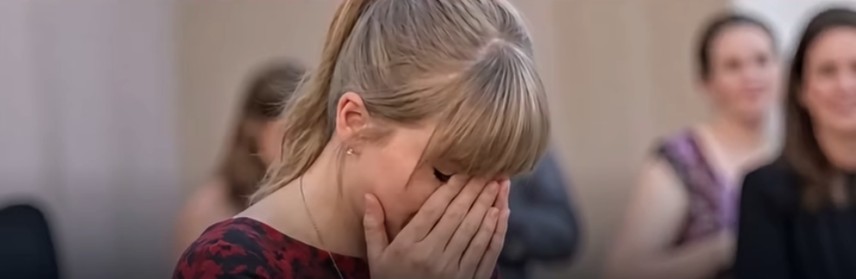
The account describes an emotional Instagram announcement, a tearful photograph, and an apology to thousands of disappointed fans.
According to the circulating message, Swift began feeling unwell after a three-hour concert and later received a positive COVID-19 test.
The story goes on to suggest that her team immediately began rescheduling concerts while introducing additional health precautions for performers and crew members.
It also includes supposed reactions from fellow musicians and fans expressing concern for the singer.
However, there is a significant problem with the account.
Taylor Swift’s Eras Tour ended on December 8, 2024, in Vancouver, Canada.
There is no verified Eras Tour concert scheduled in Chicago for October 12, 2026, and no credible announcement confirming the specific COVID-19 diagnosis described in the viral story.
Several other details are inconsistent with established facts, including Swift’s age and the timeline of her performances.
Before sharing the alarming claims, it is important to examine what actually happened during the Eras Tour and why this apparent breaking-news announcement cannot be accepted as genuine.
The Viral Story Claims Taylor Swift Suddenly Became Ill
The circulating account begins by suggesting that Swift made an emotional announcement on Instagram.
It claims she revealed a positive COVID-19 test shortly before a major concert.
The narrative includes a supposed apology in which she expresses disappointment about being unable to perform.
It also describes her concerns about the health of the musicians, dancers, and crew members involved in a large stadium production.
These details make the story sound personal and believable.
Swift is known for her close relationship with fans and the elaborate preparation involved in her concerts.
But the account provides no independently verified Instagram post supporting the alleged announcement.
Nor does it identify an authentic concert cancellation notice from her official team.
Without that evidence, the diagnosis and apology remain unsupported claims.
The Biggest Problem: The Eras Tour Ended in 2024
The most important factual issue is the tour’s timeline.
Taylor Swift began the Eras Tour in March 2023.
The production became one of the largest concert events in music history, attracting millions of fans across multiple continents.
Its final performances took place at BC Place in Vancouver on December 6, 7, and 8, 2024.
The December 8 concert was the official conclusion of the tour.
The final date appeared on Swift’s official tour schedule and was widely documented by news organizations and local authorities.
Therefore, a report claiming that an Eras Tour show was suddenly postponed in October 2026 conflicts with the established history of the concert series.
There is no basis for describing a Chicago Eras Tour performance as scheduled for tonight.
Taylor Swift Is 36, Not 34
Another significant inconsistency concerns the singer’s age.
The viral account describes Swift as a 34-year-old superstar.
However, Taylor Alison Swift was born on December 13, 1989.
As of October 12, 2026, she is 36 years old.
She will turn 37 on December 13, 2026.
Swift was 34 during much of 2024, including the closing months of the Eras Tour.
The incorrect age suggests that the circulating text may have been created using an older timeframe or information that was never updated.
Although an incorrect age alone would not invalidate an entire report, it becomes particularly important when combined with an impossible tour schedule.
When Did Taylor Swift Actually Perform in Chicago?
Swift brought the Eras Tour to Chicago in June 2023.
She performed three concerts at Soldier Field on June 2, 3, and 4.
Those shows were part of the tour’s initial North American leg.
Fans traveled to Chicago to experience the elaborate production, which featured songs representing different stages of Swift’s career.
The concerts were major events for the city and its music community.
But they occurred more than three years before the date implied by the new viral report.
The circulating claim does not provide an authentic announcement establishing newly scheduled Chicago Eras Tour dates in 2026.
Without such a schedule, there can be no verified postponement of the supposed performance.
The Alleged Instagram Announcement Has Not Been Verified
The story attributes several emotional statements to Swift.
It claims she apologized to fans and described her disappointment about becoming ill.
It also references a supposed selfie showing her in tears.
However, the account does not provide a verifiable original post, publication time, or reliable report confirming that she shared those statements.
Social media screenshots and unattributed quotations can be misleading when they circulate without an identifiable source.
Even when a message resembles the way a celebrity normally communicates, that resemblance does not prove authenticity.
A genuine major concert cancellation would ordinarily generate official event notices and substantial coverage from established entertainment outlets.
No such confirmation supports the specific Chicago Eras Tour story.
What About the Claimed Statement to Variety?
The circulating article also includes remarks attributed to an unnamed source supposedly speaking to Variety.
According to the account, the source described extensive testing among the tour’s musicians and production staff.
The story suggests that Swift was particularly concerned about protecting those working around her.
However, it does not identify a corresponding Variety article or provide enough information to verify the attribution.
Claims involving anonymous insiders should be assessed carefully, especially when they describe someone’s private medical condition.
Without an identifiable report, the supposed source comments cannot be treated as authenticated statements.
They remain part of the unverified narrative.
The Story Also Mentions Selena Gomez and Ed Sheeran
Another section claims that Selena Gomez and Ed Sheeran privately contacted Swift after learning about the alleged diagnosis.
It attributes a humorous comment to Sheeran about his own experience with COVID-19.
Both artists have longstanding professional or personal connections with Swift.
However, that background does not prove the reported conversations occurred.
The circulating account provides no reliable confirmation that either musician responded to the supposed incident.
Statements about private communications are particularly difficult to establish without direct confirmation from the people involved.
They should not be repeated as verified facts simply because the relationships between the celebrities are well known.
Did Fans Really Start a Get-Well Campaign?
The account describes fans expressing support through a hashtag and messages of encouragement.
Swift’s supporters, widely known as Swifties, have often organized online conversations around her music and public appearances.
It is entirely plausible that fans would express concern if she announced an illness.
But the existence of a supportive fan community does not verify this particular medical claim.
The narrative does not establish that the supposed hashtag activity originated from an authentic COVID-19 announcement.
Individual social media reactions can also emerge after people encounter unverified rumors.
Consequently, online discussion should not be mistaken for independent proof that the reported event happened.
Why the Story Sounds Convincing at First
The account includes several elements that make it resemble a conventional entertainment news report.
It describes a recognizable celebrity.
It mentions a real illness.
It places the event within a famous concert tour.
It includes emotional quotations and supposed reactions from other musicians.
And it discusses practical matters such as rescheduling concerts and providing refunds.
Each detail contributes to an impression of authenticity.
But a collection of realistic-sounding details does not establish that an event occurred.
The most important information must still be checked against official dates, announcements, and reliable reporting.
The Eras Tour Was One of Music’s Biggest Achievements
To understand why a false postponement claim might attract attention, it helps to recognize the scale of the Eras Tour.
Swift designed the production around multiple phases of her recording career.
Concerts featured elaborate stage designs, costume changes, and performances spanning several hours.
The tour began in Glendale, Arizona, in March 2023 and continued across North America, South America, Asia, Australia, and Europe before concluding in Canada.
Fans traveled long distances to attend performances, sometimes planning entire vacations around concert dates.
The event generated enormous attention in music, tourism, fashion, and popular culture.
Its scale helps explain why an apparent cancellation might immediately concern fans.
The Tour Generated More Than $2 Billion
The Eras Tour became the first concert tour reported to surpass $2 billion in ticket sales.
That remarkable result established a new benchmark for the live music industry.
Its success reflected extraordinary demand for tickets and the loyalty of Swift’s international audience.
Concerts drew enormous crowds and frequently created additional economic activity for host cities.
Hotels, restaurants, transportation companies, and local businesses benefited from visitors attending the shows.
The tour also became a defining cultural event of the early 2020s.
Its conclusion in December 2024 received extensive coverage precisely because of its unprecedented scale.
The Final Eras Tour Concert Took Place in Vancouver
On December 8, 2024, Swift performed the last concert of the Eras Tour at BC Place.
The event marked the conclusion of a journey that had occupied nearly two years of her professional life.
Fans gathered for the final performance knowing that the extensive production was coming to an end.
Vancouver hosted the final three concerts from December 6 through December 8.
Local transportation officials and city agencies publicly prepared for the large crowds.
The conclusion was reported by established news outlets and documented on Swift’s official website.
These records make the tour’s ending a verified historical event rather than a matter of speculation.
Why Chicago Is an Important Detail in the False Report
Chicago is a believable location for a Taylor Swift concert because she has performed there during major tours.
The city also hosted memorable Eras Tour performances in June 2023.
As a result, the location may seem credible to readers familiar with her concert history.
However, familiarity is not the same as confirmation.
A claim about a particular concert must match an actual event schedule.
The circulating account does not satisfy that requirement.
It describes a Chicago show occurring long after the Eras Tour had officially ended.
That is one of the strongest reasons to question the narrative.
The Claim About Rescheduled August Concerts Is Also Inconsistent
The story suggests that the alleged Chicago concerts might be rescheduled for late August.
But it provides no year or official scheduling notice.
As of October 12, 2026, late August of the same year has already passed.
The original Eras Tour also concluded in December 2024.
These inconsistencies make the supposed rescheduling arrangement impossible to verify.
Fans should never rely on an unattributed online claim when making travel arrangements or purchasing concert tickets.
Official artist announcements, venue schedules, and authorized ticketing platforms are more reliable sources.
What Happens When a Major Artist Really Postpones a Concert?
Large concert productions involve substantial logistical planning.
If a major performance must be postponed, organizers typically coordinate with venues, promoters, and ticketing providers.
Fans may receive information about whether existing tickets remain valid.
Refund policies depend on the circumstances and the event organizer’s terms.
Official notices generally identify the affected date and provide instructions for ticket holders.
A serious health-related cancellation may also be addressed through the artist’s verified communication channels.
None of these authentic scheduling details accompany the circulating Chicago COVID-19 claim.
Taylor Swift Has Previously Faced Real Concert Disruptions
Although the COVID-19 story is unsupported, Swift’s tours have experienced genuine disruptions.
In November 2023, extreme heat in Rio de Janeiro became a serious concern during the South American leg of the Eras Tour.
Swift postponed a concert scheduled for November 18 because of the dangerous temperatures.
The decision followed the death of a fan who had attended the previous night’s performance.
Swift publicly expressed grief over the tragedy.
The situation demonstrated how environmental conditions can affect major live events.
Unlike the new viral COVID-19 story, the Rio postponement was documented by official announcements and news reporting.
The Vienna Concerts Were Canceled in 2024
Another significant disruption occurred in August 2024.
Three scheduled Eras Tour performances in Vienna, Austria, were canceled after authorities identified a suspected attack plot.
The decision was announced before the performances took place.
The cancellations disappointed fans, many of whom had traveled internationally to attend.
However, safety concerns made proceeding with the events untenable.
The incident received substantial international news coverage.
It provides another example of how genuine concert cancellations can be verified through identifiable official information.
Health and Safety Have Always Been Important for Live Events
Concerts bring large numbers of people into shared spaces.
Performers, stage crews, musicians, and venue employees work together to make these events possible.
Health and safety planning is therefore an essential part of major productions.
COVID-19 introduced additional challenges for the live entertainment industry beginning in 2020.
Many tours and festivals were postponed or canceled during the early stages of the pandemic.
Later, organizers developed different policies depending on public health conditions and local requirements.
These real industry challenges make a report about a COVID-related concert postponement sound plausible.
But general plausibility does not establish that Swift experienced the diagnosis described in this particular account.
Why COVID-19 Claims About Public Figures Require Verification
A COVID-19 diagnosis is personal medical information.
When a public figure chooses to disclose such information, reputable outlets may report the announcement.
However, assigning a medical diagnosis to someone without reliable confirmation risks spreading misinformation.
Readers should not assume that an artist is ill because a dramatic post appears online.
Nor should supposed symptoms, test results, or medical instructions be repeated as established facts without evidence.
The circulating Swift story describes aches, exhaustion, a positive rapid test, and instructions to rest.
None of those personal medical details are independently established by the material provided.
Social Media Can Make Old Information Look New
One common problem with viral entertainment stories is the recycling of outdated information.
A narrative may refer to a tour or celebrity milestone that was current years earlier.
When the story is reposted without its original context, readers may mistake it for a new announcement.
Details such as a celebrity’s age, concert schedule, or upcoming event can reveal these problems.
In this case, Swift’s reported age of 34 is inconsistent with October 2026.
The reference to an ongoing Eras Tour is also outdated.
Those errors strongly suggest that the report is not an accurate account of a current event.
Why Fake Celebrity Announcements Can Spread So Easily
Famous musicians have enormous audiences.
Millions of people follow their music, appearances, and personal updates.
When a story claims that a beloved performer has experienced a medical problem, fans may respond immediately.
Emotional headlines can encourage rapid sharing before readers examine the details.
Fake quotations and supposed anonymous sources can make a fabricated account appear more credible.
Sometimes the story includes enough genuine background information to distract from the invented central claim.
The result can be a widely circulated rumor that resembles breaking news.
The Problem With Unverified Celebrity Quotations
The circulating article attributes several colorful statements to Swift and people around her.
It includes a supposed promise about making up for a canceled performance.
It also describes remarks about staying home with her cats and listening to music.
These details may resemble Swift’s public image and the affectionate way fans often discuss her pets.
However, familiarity with someone’s personality does not authenticate a quotation.
A direct quote should be traceable to a reliable interview, official post, or documented public statement.
Without such a source, invented-sounding remarks should not be published as her actual words.
Her Connection With Fans Is Real
Swift has built a career characterized by a particularly engaged fan community.
Her audiences frequently organize friendship bracelet exchanges, themed gatherings, and online discussions surrounding her music.
The Eras Tour became especially known for these traditions.
Fans celebrated different periods of her career through clothing, accessories, and shared concert experiences.
That close connection helps explain why a claim involving her health might prompt concern.
But genuine affection for an artist should also encourage fans to seek accurate information before sharing worrying reports.
How Swifties Can Check Whether a Concert Announcement Is Real
When an unexpected cancellation claim appears online, fans should first examine the artist’s official website and verified social media accounts.
The venue’s website may also provide information about scheduled events.
Authorized ticketing platforms generally communicate changes affecting existing ticket holders.
Major changes to a highly publicized tour are also likely to receive prompt coverage from established music and entertainment publications.
Checking more than one reliable source can help distinguish genuine announcements from rumors.
If an alleged concert does not appear on an official schedule, that is a strong reason for caution.
The Eras Tour’s Legacy Continues Beyond the Final Concert
Although the live tour ended in December 2024, its influence continues through recordings, documentaries, fan communities, and Swift’s wider musical catalog.
The production celebrated her evolution from country music performer to international pop superstar.
Its success reflected years of songwriting, recording, touring, and audience development.
Many fans continue revisiting memorable performances and sharing stories about attending concerts.
The cultural impact of the tour remains significant even without new live Eras Tour dates.
That ongoing interest may also make outdated or misleading stories about the tour seem current when they resurface online.
Taylor Swift Has Continued Her Music Career After the Tour
The conclusion of the Eras Tour did not mean the end of Swift’s work as an artist.
Her extensive catalog and subsequent creative activities have continued attracting public attention.
Over the years, she has repeatedly introduced new musical projects after major touring cycles.
Her career includes successful albums spanning country, pop, and alternative-influenced songwriting.
She has also become known for rerecording earlier albums as part of her efforts to control her recorded music.
These achievements provide a more accurate context for her ongoing public career than the unsupported claim that she is still performing Eras Tour concerts in Chicago.
What We Can Actually Confirm About the COVID-19 Story
The available evidence supports several clear conclusions.
Taylor Swift was born on December 13, 1989, making her 36 years old on October 12, 2026.
The Eras Tour concluded in Vancouver on December 8, 2024.
Its Chicago performances took place in June 2023.
The circulating account does not supply an authenticated Instagram announcement confirming a new COVID-19 diagnosis.
It also does not provide an official notice postponing an October 2026 Chicago Eras Tour concert.
The supposed insider comments, celebrity reactions, and rescheduling plans remain unsupported.
Consequently, the story should not be published as a confirmed medical or concert announcement.
Why Accuracy Matters When Reporting on Celebrity Health
Readers naturally feel concern when they hear that a favorite musician may be unwell.
But that concern deserves accurate information.
False health reports can cause unnecessary anxiety and spread confusion among fans.
They may also create problems for people making plans based on supposed concert cancellations.
Responsible reporting should identify the source of medical announcements and distinguish confirmed statements from online claims.
It should also avoid presenting fictional quotations as the words of real people.
In this case, the contradictions involving Swift’s age and the Eras Tour schedule make those standards especially important.
The Truth Behind the Taylor Swift COVID-19 Cancellation Rumor
A viral account claims that Taylor Swift tested positive for COVID-19, shared an emotional Instagram message, and postponed a Chicago Eras Tour performance.
It describes disappointed fans, concerned fellow musicians, and supposedly rescheduled concert dates.
However, its central claim conflicts with verified tour history.
The Eras Tour officially ended on December 8, 2024, in Vancouver.
Swift’s Chicago performances took place in June 2023, and she is 36 years old as of October 2026, not 34 as the story claims.
There is no reliable confirmation of the alleged Instagram announcement or the supposed Chicago concert postponement.
For that reason, the account should be treated as an unverified and misleading report rather than breaking news about Swift’s health.
Fans who encounter similar stories should consult official artist announcements, verified venue information, and established news coverage before sharing them.
Swift’s Eras Tour remains a historic achievement, and the excitement surrounding it continues long after the final performance.
But the tour’s popularity should not become a reason to believe every dramatic headline associated with it.
The most important fact is straightforward: the circulating COVID-19 story does not establish that Taylor Swift is ill or that a current Eras Tour concert has been canceled.
When news sounds urgent, checking the dates and original sources can reveal a very different story.