
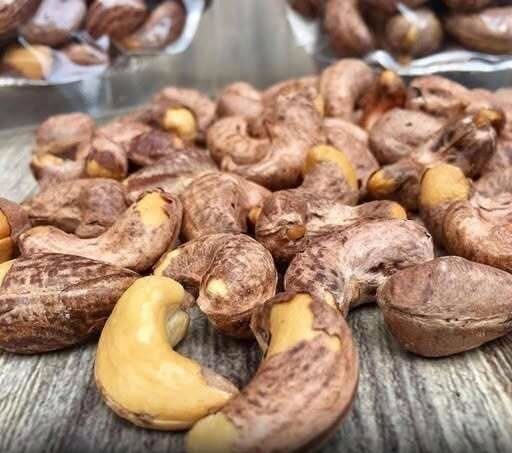
What Really Happens to Your Body When You Eat Cashews Regularly — The Truth About Weight Gain, Heart Health, and Hidden Risks
What Really Happens to Your Body When You Eat Cashews Regularly — The Truth About Weight Gain, Heart Health, and Hidden Risks
Cashews are among the world’s most popular snacks, loved for their buttery texture, mild flavor, and satisfying crunch.
But if you have ever searched online for information about their health effects, you may have encountered some surprisingly alarming claims.
Some headlines suggest that eating cashews regularly can cause rapid weight gain.
Others imply that these small, curved nuts may damage important organs or create serious health problems.
Such warnings can make an ordinary snack sound far more dangerous than it actually is.
But what does nutrition science really tell us?
The answer is considerably more reassuring.
Cashews contain beneficial unsaturated fats, plant-based protein, and essential minerals that contribute to normal body functions.
They can fit comfortably into a balanced diet and may support cardiovascular health, particularly when they replace less nutritious snack foods.
However, that doesn’t mean everyone should eat unlimited amounts.
Cashews contain significant calories, may be prepared with excessive salt or sugar, and can cause serious allergic reactions in susceptible individuals.
Understanding the difference between legitimate precautions and exaggerated warnings is the key to enjoying them sensibly.
Why Cashews Have Become the Subject of Alarming Health Claims
Nutrition advice on the internet can be confusing.
One article may describe a food as exceptionally healthy, while another warns that the same food should be avoided.
Cashews are a particularly interesting example because they contain substantial amounts of fat.
For years, dietary fat was often associated with weight gain and heart disease without sufficient attention to the differences between various types of fat.
That misunderstanding helped create the impression that fatty foods were automatically unhealthy.
But nutrition research has shown that the type of fat matters enormously.
The fats found in cashews are largely unsaturated, although they also contain some saturated fat.
These distinctions are essential when evaluating their effect on health.
It is also important to examine how much someone eats and what other foods make up their overall diet.
What Exactly Are Cashews?
Cashews come from the cashew tree, a tropical plant scientifically known as Anacardium occidentale.
The tree produces a structure commonly called the cashew apple, with the edible kernel developing inside a shell attached to it.
Although cashews are commonly described as nuts in cooking and everyday language, botanically they are seeds.
They are harvested and processed before reaching supermarkets.
The cashews consumers purchase are typically sold without their shells.
They may be roasted, salted, blended into butter, or incorporated into recipes.
Cashews are also popular ingredients in plant-based cooking because their texture becomes creamy when soaked and blended.
But beyond their culinary versatility, their nutritional composition is what makes them particularly interesting.
Cashews Contain More Than Just Fat
A small serving of cashews provides a combination of important nutrients.
They contain plant-based protein, carbohydrates, dietary fat, and a variety of minerals.
Among their notable nutrients are magnesium, copper, phosphorus, zinc, and iron.
These minerals serve different purposes throughout the body.
Magnesium contributes to normal muscle and nerve function.
Copper supports enzymes involved in energy metabolism, connective tissue formation, and other physiological processes.
Phosphorus is important for bones and cellular functions.
Zinc plays a role in normal immune function and wound healing.
Cashews also provide some fiber, although they are not as fiber-rich as certain other nuts and seeds.
The combination makes them a nutrient-dense food rather than simply a source of calories.
How Many Calories Are in a Handful of Cashews?
One of the most common concerns about cashews involves their calorie content.
A serving of approximately one ounce, or 28 grams, generally contains around 160 to 165 calories.
That is roughly equivalent to about 18 medium-sized cashews, depending on their size.
For such a small serving, the calorie count may seem high.
However, calories are not inherently harmful.
They provide the energy the body needs to function.
The important consideration is whether overall energy intake matches a person’s needs.
For someone consuming balanced meals and appropriate portions, a small handful of cashews can be a reasonable snack.
Problems are more likely when large quantities are eaten regularly in addition to an already sufficient diet.
Do Cashews Really Cause Weight Gain?
Cashews do not automatically cause weight gain.
Weight changes depend on overall eating patterns, energy intake, physical activity, and other individual factors.
Because cashews are calorie-dense, eating very large portions can increase daily calorie intake considerably.
For example, someone who repeatedly eats several large handfuls without accounting for the additional calories may consume more energy than intended.
Over time, a consistent calorie surplus can contribute to weight gain.
But this does not mean cashews are uniquely fattening.
Many nutritious foods contain substantial calories.
Portion size and dietary context matter more than labeling a particular food as good or bad.
When cashews replace foods such as heavily processed chips or sugary snacks, they can be part of a nutritious eating pattern.
Can Cashews Help You Feel Full?
Cashews contain fat and protein, both of which contribute to their satisfying texture and nutritional value.
Foods containing these nutrients can help provide a feeling of fullness.
That may make a small portion of cashews a more satisfying snack than some foods composed mainly of refined starches.
However, individual responses vary.
Not everyone will experience the same level of fullness after eating them.
And cashews should not be treated as a guaranteed appetite suppressant or weight-loss solution.
They work best as one component of a varied diet that includes vegetables, fruits, whole grains, legumes, and other nutrient-rich foods.
The Difference Between Healthy and Unhealthy Fats
Understanding cashews requires understanding dietary fat.
Fat is an essential nutrient involved in numerous body functions.
It helps provide energy and supports the absorption of fat-soluble vitamins.
But different types of fat can have different effects on cardiovascular health.
Unsaturated fats are generally considered preferable to large amounts of saturated fat.
They are found in foods such as nuts, seeds, olive oil, avocados, and certain fish.
Cashews contain a substantial proportion of unsaturated fats, particularly monounsaturated fat.
Replacing some saturated fat in the diet with unsaturated fat can support healthier cholesterol levels.
This is one reason nutrition experts often encourage people to include appropriate portions of nuts in balanced eating patterns.
Monounsaturated Fats Are One of Cashews’ Biggest Advantages
Monounsaturated fats are often associated with foods commonly included in Mediterranean-style diets.
Examples include olive oil, avocados, and several varieties of nuts.
Cashews provide these fats in a convenient, portable form.
When unsaturated fats replace sources of saturated fat, they can help improve certain blood cholesterol measurements.
That distinction is important because elevated LDL cholesterol is an established risk factor for cardiovascular disease.
However, the benefit depends partly on what the cashews are replacing.
Adding large amounts of nuts to an otherwise unchanged diet does not necessarily provide the same advantages as substituting them for foods high in saturated fat.
The overall dietary pattern remains central.
Can Eating Cashews Support Heart Health?
Evidence from nutrition research generally supports including nuts as part of a heart-healthy diet.
Regular nut consumption has been associated with favorable cardiovascular outcomes in several large observational studies.
Such studies cannot prove that eating nuts alone prevents heart disease.
People who regularly eat nuts may also have other habits that influence their health.
Nevertheless, the nutritional composition of cashews provides plausible reasons for their inclusion in a heart-conscious diet.
They supply unsaturated fats, plant protein, and several minerals.
Choosing unsalted cashews instead of highly processed snacks can also reduce exposure to excess sodium, depending on the foods being replaced.
They are not medicine, but they can be a useful part of a broader strategy for healthy eating.
What Research Says About Cashews and Cholesterol
Some clinical research has specifically examined the effects of cashews on cholesterol.
A small study reported in 2017 compared diets containing cashews with diets including a potato-chip snack.
Researchers observed a modest reduction in LDL cholesterol among participants consuming cashews.
However, the study was relatively small and lasted only several weeks.
That means its findings should be understood as promising rather than definitive evidence that cashews will lower cholesterol for everyone.
Individual health conditions, portion sizes, and overall diet remain important.
For people concerned about cholesterol, cashews may be one nutritious option among several dietary changes recommended by healthcare professionals.
Can Cashews Damage Your Liver?
Claims that ordinary portions of properly processed cashews damage the liver are not supported by established nutrition guidance for healthy individuals.
The liver performs numerous functions, including processing nutrients and participating in energy metabolism.
Eating a balanced diet supports overall metabolic health.
Cashews can contribute nutrients to that diet.
But they should not be described as a treatment for liver disease, nor as a guaranteed way to detoxify the organ.
People with diagnosed liver conditions may have individual nutritional requirements that depend on their medical situation.
Those requirements should be discussed with an appropriate clinician.
For most people, moderate consumption of commercially prepared cashews does not warrant alarm about liver damage.
What About Kidney Health?
Another concern sometimes raised online is whether cashews harm the kidneys.
For most people with normal kidney function, eating moderate amounts of cashews is not generally considered harmful.
However, people with advanced kidney disease may need to manage their intake of minerals such as potassium or phosphorus.
Because cashews contain these minerals, portion size may matter for individuals following medically prescribed renal diets.
The appropriate amount depends on laboratory results, kidney function, and the person’s overall treatment plan.
Some people with a history of particular kidney stones may also receive individualized dietary advice.
These medical considerations are not the same as claiming that cashews damage healthy kidneys.
They simply demonstrate that nutritional needs vary between individuals.
Magnesium Makes Cashews Nutritionally Valuable
Magnesium is an essential mineral involved in hundreds of biochemical processes.
It contributes to normal muscle function, nerve signaling, energy production, and bone health.
Cashews provide a meaningful amount of magnesium in a relatively small serving.
This makes them one of several foods that can help people meet their daily magnesium needs.
Other sources include leafy greens, beans, whole grains, and seeds.
Eating cashews does not guarantee correction of a magnesium deficiency.
But incorporating them into a varied diet can contribute to adequate intake.
Copper Is Another Important Nutrient in Cashews
Cashews are particularly notable for their copper content.
Copper is a trace mineral the body needs in relatively small quantities.
It plays a role in iron metabolism, connective tissue formation, and the function of several important enzymes.
It also contributes to normal physiological processes involving the nervous system.
Because copper is required in small amounts, a varied diet generally provides what most people need.
Cashews are one food that can contribute to that intake.
But more is not automatically better.
Large doses of copper from supplements can be harmful, which is different from obtaining normal dietary amounts through food.
Do Cashews Support Bone Health?
Cashews contain minerals involved in maintaining normal bones.
These include magnesium, phosphorus, and copper.
Each plays a different role in the body’s structural and metabolic processes.
However, bone health depends on much more than eating a single type of nut.
Adequate calcium, vitamin D, physical activity, and overall nutritional status are also important.
Cashews can contribute to a balanced eating pattern that supports these needs.
They should not be promoted as a substitute for appropriate treatment or prevention strategies for osteoporosis.
Can Cashews Benefit Your Brain?
Online wellness articles sometimes suggest that cashews can dramatically improve memory, intelligence, or concentration.
Those claims go further than the evidence supports.
Cashews contain nutrients involved in normal nervous-system function, including magnesium and copper.
They also provide dietary fats necessary for general health.
But there is no good basis for promising that eating a handful of cashews will produce an immediate cognitive boost.
Brain health depends on many factors, including sleep, activity, vascular health, and a nutritious overall diet.
Cashews can contribute to good nutrition without being a miracle food.
Are Cashews Good for People With Diabetes?
Cashews can be included in some balanced eating plans for people with diabetes.
They contain relatively little sugar in their plain form and provide a mixture of fat, protein, and carbohydrate.
However, they are not carbohydrate-free.
Portion size still matters, especially for people monitoring carbohydrate intake.
Sweetened cashews, honey-coated varieties, and cashew-based desserts may contain considerably more added sugar.
People with diabetes should consider the full nutritional label and their individual meal plan.
Cashews do not replace medication or other recommended diabetes treatments.
They are simply one possible food choice within a broader dietary approach.
The Biggest Genuine Risk Is Cashew Allergy
While exaggerated claims about organ damage can be misleading, cashew allergies are a serious concern.
Cashews are classified as tree nuts for food-allergy purposes.
Some people can develop significant allergic reactions after eating them.
Symptoms may include hives, swelling, vomiting, breathing difficulties, or other signs of a severe allergic response.
In some cases, anaphylaxis can occur.
This is a medical emergency.
People with a diagnosed cashew allergy should follow medical advice about avoidance and emergency treatment.
Those who have experienced severe allergic reactions may be prescribed epinephrine.
For someone with an allergy, even a small amount may be dangerous.
Why People With Pistachio Allergies Should Also Be Careful
Cashews and pistachios are botanically related and can share allergenic proteins.
As a result, people allergic to one may also react to the other.
However, allergy patterns vary between individuals.
Someone should not assume that every tree nut will necessarily cause the same reaction.
Likewise, they should not experiment with potentially allergenic foods without appropriate medical guidance.
An allergist can help determine which foods need to be avoided.
For individuals with suspected or confirmed tree-nut allergies, professional evaluation is much more useful than general internet advice.
Are Raw Cashews Safe to Eat?
The word raw can be misleading when applied to cashews sold in stores.
Commercial cashews labeled raw have typically undergone processing to remove the shell and make the kernels suitable for consumption.
Cashew shells contain irritating substances related to compounds found in poison ivy.
Improper handling or processing can expose people to those substances.
That is why cashews should be purchased from reputable food suppliers rather than eaten directly from unprocessed shells.
Properly processed commercial cashews are a very different product from freshly harvested nuts still enclosed in their natural shells.
Salted Cashews Versus Unsalted Cashews
Cashews are commonly sold roasted and salted.
These varieties can be enjoyable, but the sodium content may differ substantially between brands.
High sodium intake is a concern for blood pressure and cardiovascular health.
For someone trying to reduce salt consumption, unsalted cashews may be a preferable choice.
Lightly salted varieties can also be compared by reading their nutrition labels.
There is no need to assume that every roasted cashew product contains the same amount of sodium.
The preparation method and added ingredients determine much of the difference.
Are Roasted Cashews Less Healthy?
Roasting changes the flavor, texture, and some chemical characteristics of nuts.
But roasted cashews can still be nutritious.
The main considerations involve the roasting method and any additional ingredients.
Dry-roasted, unsalted cashews can provide a convenient option.
Oil-roasted varieties may contain added fats, while flavored products may include substantial salt or sugar.
Very high-temperature processing can also affect certain nutrients and compounds.
However, ordinary commercially roasted cashews are not automatically unhealthy.
Reading the ingredient list is usually more informative than assuming all roasting methods have the same nutritional effect.
Can Eating Too Many Cashews Upset Your Stomach?
Large portions of cashews may cause digestive discomfort for some people.
Their fat content can make them feel heavy when eaten in excessive quantities.
Some individuals may also experience bloating or other gastrointestinal symptoms.
People with particular digestive sensitivities, including those following a low-FODMAP eating plan, may need to pay attention to serving size.
These effects do not mean cashews are toxic.
They indicate that digestive tolerance differs between individuals and that quantity matters.
Someone who notices repeated symptoms after eating cashews can discuss the pattern with a qualified healthcare professional.
How Many Cashews Should You Eat in a Day?
There is no single serving size that is ideal for everyone.
However, a common reference portion is approximately one ounce, or 28 grams.
For cashews, that is roughly a small handful.
It typically contains around 18 medium-sized nuts.
That amount provides useful nutrients without requiring an exceptionally large calorie intake.
People with different energy needs may choose different portions.
The important principle is to consider cashews as part of total food intake rather than adding unlimited amounts on top of regular meals.
Why Replacing Other Snacks Can Make a Difference
One of the most useful ways to incorporate cashews into a balanced diet is to substitute them for less nutritious snack choices.
For example, a portion of unsalted cashews may replace a serving of heavily salted chips.
This substitution changes the type of fat and the mixture of nutrients consumed.
Cashews provide plant protein and minerals that may be present in lower quantities in some processed snacks.
However, the nutritional advantage depends on the particular foods being compared.
Cashews do not automatically become beneficial simply because they are added to an already calorie-rich diet.
Food substitutions and overall dietary quality are more important than treating them as an extra health supplement.
Simple Ways to Include Cashews in Meals
Cashews can be enjoyed in many different ways.
A small handful makes a convenient snack.
They can also be chopped and added to salads, vegetable dishes, or grain bowls.
Some recipes use cashews to add texture to stir-fries.
In plant-based cooking, soaked cashews can be blended into creamy sauces or spreads.
Cashew butter offers another option, although portions should still be considered.
When purchasing prepared cashew products, checking for added salt, sugar, and oils can help with informed choices.
These approaches allow the food to contribute variety without dominating the entire diet.
Cashews Are Nutritious, but They Aren’t a Miracle Cure
It is important to avoid exaggerated health claims in either direction.
Cashews are not inherently dangerous for most people when consumed in ordinary amounts and properly processed.
But they are also not capable of preventing every disease, repairing damaged organs, or producing dramatic health transformations on their own.
Their benefits come from their nutritional composition and how they fit into a larger eating pattern.
A healthy diet includes variety.
Different foods provide different combinations of vitamins, minerals, protein, fiber, and other nutrients.
Cashews can contribute to that variety.
They should not replace medical treatment or serve as the foundation of an unnecessarily restrictive diet.
What Nutrition Experts Want People to Understand
The most important lesson about cashews is that dietary context matters.
A handful of unsalted cashews eaten as part of balanced meals is very different from repeatedly consuming large quantities of highly salted, sugar-coated nuts.
Likewise, someone with a serious nut allergy faces a completely different level of risk from someone who can safely eat cashews.
People with certain medical conditions may require individualized advice.
But the average healthy adult does not need to fear moderate cashew consumption because of dramatic online headlines.
Established nutrition guidance supports choosing nutrient-rich foods, favoring unsaturated fats, and considering appropriate portions.
Cashews can fit all three principles.
The Truth About Cashews, Weight Gain, and Organ Damage
Cashews have attracted alarming online claims, particularly about weight gain and damage to internal organs.
But those warnings often ignore important nutritional facts.
Cashews contain monounsaturated and polyunsaturated fats, plant-based protein, and minerals such as magnesium, copper, phosphorus, and zinc.
These nutrients contribute to normal bodily functions and can support a balanced diet.
Research on nuts and cardiovascular health also suggests that including appropriate portions in place of less nutritious foods may provide benefits.
At the same time, cashews are calorie-dense, making portion awareness worthwhile.
People with cashew allergies must avoid them, and individuals with certain kidney or other medical conditions may need personalized dietary advice.
For most people, however, moderate consumption of properly processed cashews is not associated with the dramatic dangers sometimes suggested online.
The answer is neither to fear them nor to eat them without limits.
It is to understand their nutritional value and enjoy them as part of an overall healthy eating pattern.
Sometimes the truth about food is far simpler than the headlines suggest.
And in the case of cashews, that truth is that a small handful can provide valuable nutrients without deserving the exaggerated reputation that certain online warnings have created.