
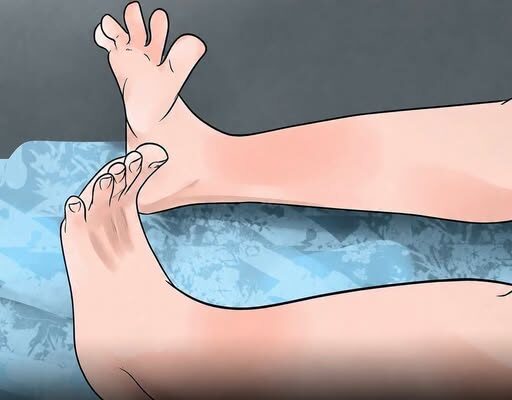
Leg Cramps at Night: Why Your Muscles Suddenly Tighten and What May Help Stop the Pain
Understanding Nighttime Leg Cramps, Their Possible Causes, and Simple Ways to Find Relief
You’re sleeping peacefully when a sudden, intense pain shoots through your calf.
Your muscle tightens without warning, and for several uncomfortable seconds, it feels almost impossible to relax your leg.
You sit up, try to move your foot, and wait for the painful contraction to release.
Even after the cramp disappears, your muscle may remain sore, making it difficult to fall asleep again.
If this sounds familiar, you’re not alone.
Nighttime leg cramps are a common experience, particularly in the calves, although they can also affect the feet and thighs.
For some people, they happen only occasionally. For others, repeated episodes interrupt sleep and leave them feeling exhausted the following morning.
While the pain can be intense, most occasional nighttime leg cramps are not dangerous.
However, understanding what may contribute to them, how to respond when they occur, and when to seek medical attention can make a meaningful difference.
What Exactly Happens During a Nighttime Leg Cramp?
A nighttime leg cramp is a sudden, involuntary contraction of a muscle that occurs while resting or sleeping.
Unlike an ordinary muscle movement, the contraction happens without conscious control.
The affected muscle becomes tight and painful, sometimes feeling unusually firm when touched.
The calf is one of the most common locations, but cramps may also develop in the feet or thighs.
The contraction may last only a short time, yet the discomfort can feel much longer when it interrupts sleep.
After the muscle relaxes, tenderness or soreness may continue.
This lingering discomfort is one reason nighttime cramps can affect more than the few moments when the muscle is actively contracting.
Even a brief episode may disturb sleep and make the following morning less comfortable.
Why Do Leg Cramps Often Happen While You’re Sleeping?
There is no single explanation for every nighttime leg cramp.
In many cases, the precise cause remains unclear.
Several factors may contribute, including muscle fatigue, long periods of sitting, changes affecting the nerves, and certain positions during sleep.
These factors do not affect everyone in the same way.
One person may notice cramps after an unusually active day, while another may experience them after spending many hours sitting.
Some people cannot identify any obvious trigger at all.
This uncertainty can be frustrating, particularly when the cramps occur repeatedly.
However, paying attention to daily activity, sleeping positions, and other possible contributors may help identify patterns worth discussing with a healthcare professional.
Muscle Fatigue May Be One Important Trigger
Muscles can become fatigued after prolonged or unusually demanding activity.
If you suddenly increase the intensity or duration of exercise, your muscles may be working harder than they are accustomed to.
That additional strain may contribute to nighttime cramps in some people.
This does not mean exercise should be avoided.
Regular physical activity supports general health and muscle function.
The important consideration is avoiding abrupt increases in activity that place unexpected demands on the muscles.
A gradual approach allows the body time to adjust.
If cramps seem to occur after particularly demanding days, it may be helpful to review how quickly your activity levels have changed.
Can Sitting Too Long Contribute to Leg Cramps?
Long periods of sitting may also contribute to nighttime leg cramps.
Many people spend significant portions of their day at desks, in vehicles, or in other seated positions.
Remaining in one position for extended periods can affect how the muscles are used throughout the day.
For some individuals, prolonged sitting may be associated with cramps later at night.
Regular movement is a reasonable way to reduce extended periods of inactivity.
Standing up, walking briefly, and maintaining a consistent activity routine can help keep the legs moving.
However, prolonged sitting is only one possible contributing factor.
It should not automatically be assumed to be the cause of every nighttime cramp.
Your Sleeping Position Might Also Matter
The position of your legs and feet during sleep may influence nighttime muscle cramps.
Some sleeping positions keep the calf muscles in a shortened position for extended periods.
This may contribute to cramping in susceptible individuals.
Because people often change positions during sleep without realizing it, identifying a connection can be difficult.
Nevertheless, sleeping posture is one factor worth considering when cramps repeatedly affect the same muscle.
Gentle stretching before bed may be helpful for some people.
The goal is not to force the muscles into an uncomfortable position, but to encourage comfortable movement and flexibility.
There is no single sleeping position guaranteed to prevent nighttime cramps for everyone.
Does Dehydration Really Cause Nighttime Leg Cramps?
Dehydration is frequently mentioned as a possible cause of muscle cramps.
Fluid loss may contribute in some circumstances, particularly after heavy sweating.
For example, someone who has exercised intensely or spent considerable time in hot conditions may lose substantial fluids.
In such situations, inadequate fluid replacement could be one contributing factor.
However, not every nighttime cramp is caused by dehydration.
People who drink adequate fluids can still experience painful muscle contractions.
That is why it is important not to assume that drinking more water will automatically solve recurring cramps.
Maintaining adequate hydration is sensible, but it is only one part of understanding the problem.
Are Nighttime Leg Cramps a Sign of Magnesium Deficiency?
Many people associate muscle cramps with low magnesium or potassium levels.
Although electrolyte disturbances can sometimes be relevant to muscle function, cramps alone do not establish that a deficiency exists.
Experiencing nighttime leg cramps is not enough to conclude that your body needs additional magnesium or potassium.
Taking supplements without knowing whether they are necessary may provide little benefit.
In some circumstances, unnecessary supplementation can also create health risks.
This is especially important for people with kidney problems, because the kidneys play a major role in regulating certain minerals in the body.
Before beginning magnesium or potassium supplements specifically for recurring cramps, it is sensible to discuss the symptoms with a clinician.
A healthcare professional can help determine whether further evaluation is appropriate.
What to Do Immediately When a Leg Cramp Strikes
When a nighttime cramp begins, the immediate goal is to help the contracted muscle relax.
For a calf cramp, gently straightening the affected leg may provide relief.
While keeping the leg straight, slowly draw your toes toward your shin.
This movement stretches the calf muscle and may help reduce the contraction.
Move carefully and avoid forcing the stretch beyond a comfortable range.
Some people also find that gently massaging the affected area helps ease the discomfort.
The cramp may not disappear instantly, but a calm, gradual approach can make the episode easier to manage.
If symptoms are unusually severe, persistent, or accompanied by other concerning signs, medical evaluation may be necessary.
Why Gently Pulling Your Toes Toward Your Shin May Help
During a calf cramp, the muscle contracts involuntarily and becomes painful.
Drawing the toes upward toward the shin stretches the affected muscle.
This movement works against the shortened position associated with the contraction.
It is a commonly recommended technique for managing an ordinary calf cramp.
The stretch should be gentle rather than forceful.
If you are sitting or lying down, carefully extend the leg before bringing the toes toward you.
Stop if the movement causes unusual pain or you cannot perform it safely.
Although stretching can be helpful, it does not mean every type of leg pain should be treated as a muscle cramp.
Symptoms such as swelling, redness, warmth, or persistent pain require a different level of attention.
Can Massage, Warmth, or Walking Provide Relief?
Stretching is not the only measure that may help during an ordinary nighttime cramp.
Gentle massage can sometimes reduce discomfort in the affected muscle.
Applying warmth may also help the muscle feel more comfortable.
Some people find relief by standing carefully and walking a short distance.
These approaches are intended to ease a typical muscle contraction rather than treat an underlying medical condition.
It is important to move cautiously, especially when waking suddenly from sleep.
If the pain is severe enough to make walking unsafe, do not force yourself to move.
And if the leg is swollen, red, warm, or persistently painful, do not assume that massage or walking is the appropriate response.
Those symptoms should be assessed promptly by a healthcare professional.
Simple Bedtime Habits That May Reduce Future Episodes
For people who experience recurring nighttime cramps, gentle bedtime stretching may be worth trying.
Stretching the calf muscles before sleep can help some individuals reduce the frequency of episodes.
The movements should remain comfortable and controlled.
Regular physical activity throughout the week may also support healthier muscle function.
Avoiding sudden increases in exercise intensity is another reasonable precaution.
Maintaining adequate fluid intake is particularly important when activity or hot weather causes significant sweating.
These measures do not guarantee that cramps will disappear.
However, they offer practical starting points that do not depend on unproven miracle remedies.
Why Consistency Matters More Than Quick Fixes
When leg cramps repeatedly interrupt sleep, it is understandable to look for something that promises immediate prevention.
Supplements and other quick solutions can sound appealing, especially after several uncomfortable nights.
But nighttime cramps do not have one universal cause.
A remedy that appears helpful for one person may not address the factors contributing to another person’s symptoms.
Consistent habits such as gentle stretching, regular movement, and appropriate hydration may be more useful than repeatedly trying unnecessary supplements.
It can also help to notice whether cramps follow particular activities or changes in routine.
For frequent episodes, a clinician can review the symptoms and help identify whether further investigation is needed.
The aim should be understanding the problem rather than assuming that every cramp has the same explanation.
Could Your Medication Be Contributing to the Problem?
Changes in medication are another reason to pay attention to new or recurring leg cramps.
If symptoms begin or become more frequent after starting or changing a medicine, discuss the timing with your clinician.
This does not necessarily mean the medication is responsible.
Other factors may be involved, and a healthcare professional can help assess the possible connection.
Do not stop or change a prescribed medication solely because you suspect it is causing cramps.
Instead, explain when the symptoms began, how often they occur, and whether anything else has changed.
That information can help guide an appropriate review of your treatment.
When Frequent Nighttime Leg Cramps Deserve Medical Attention
Occasional nighttime leg cramps are generally harmless, even though they can be painful.
However, frequent episodes deserve more attention.
If cramps repeatedly wake you from sleep or interfere with your ability to rest, consider speaking with a healthcare professional.
Medical advice is also important if the cramps are accompanied by weakness or numbness.
These symptoms may suggest that something other than an ordinary muscle contraction needs to be evaluated.
Similarly, cramps that begin after medication changes should be discussed with the prescribing clinician.
A medical assessment can help distinguish common nighttime cramps from other causes of leg discomfort.
Repeatedly losing sleep because of pain is a reasonable reason to seek help.
Warning Signs You Should Never Ignore
Not every episode of leg pain is a harmless nighttime cramp.
New swelling, warmth, redness, or persistent pain in one leg requires urgent medical assessment.
These symptoms can sometimes be associated with conditions that need prompt treatment, including a blood clot in a deep vein.
A person should not attempt to diagnose such symptoms based only on whether the pain resembles a cramp.
Sudden shortness of breath or chest pain is an emergency warning sign.
If these symptoms occur, seek emergency medical help immediately.
Recognizing the difference between a typical brief cramp and potentially serious symptoms is an essential part of staying safe.
When symptoms are new, unusual, or concerning, timely medical advice is more important than trying another home remedy.
Why Nighttime Leg Cramps Should Not Always Be Dismissed
Because muscle cramps are common, it can be tempting to ignore them completely.
For someone who experiences only an occasional brief episode, simple self-care may be sufficient.
But repeated cramps that disturb sleep can affect daily comfort and well-being.
Persistent symptoms may also warrant an assessment for contributing factors.
The goal is not to assume that every cramp signals a serious illness.
Instead, it is to recognize when a common symptom has become frequent enough, or is accompanied by other signs, to deserve professional attention.
Taking recurring pain seriously can help prevent unnecessary nights of disrupted sleep.
What to Remember the Next Time a Cramp Wakes You Up
A sudden nighttime leg cramp can be painful and unsettling, but there are practical steps that may help.
If it is a typical calf cramp, gently straighten the leg and bring your toes toward your shin.
Careful massage, warmth, or gentle walking may also provide relief.
For prevention, consider regular activity, comfortable bedtime stretching, and adequate hydration.
Avoid assuming that cramps automatically mean you need magnesium or potassium supplements.
Seek medical advice when episodes become frequent, disrupt sleep, or occur alongside weakness, numbness, or medication changes.
And remember that new swelling, redness, warmth, or persistent pain in one leg needs urgent assessment, while sudden chest pain or breathlessness requires emergency care.
Most occasional nighttime leg cramps are not dangerous.
But understanding their possible triggers, responding carefully, and recognizing warning signs can help you approach the next painful interruption with greater confidence.
Sometimes the most useful solution is not a miracle supplement or an overnight cure, but knowing what your body may be telling you and when it is time to seek help.