
Walter Koenig, Beloved Star Trek Actor Who Played Chekov, Dies at 90 — A Look Back at His Remarkable Life and Heartbreaking Family Losses
The Actor Who Brought Pavel Chekov to Life Became One of Science Fiction’s Most Recognizable Faces. Behind His Legendary Career Was a Story of Determination, Lasting Love, Personal Tragedy, and a Legacy That Spanned Generations.
For generations of television viewers, Walter Koenig was much more than another familiar face from a classic science-fiction series.
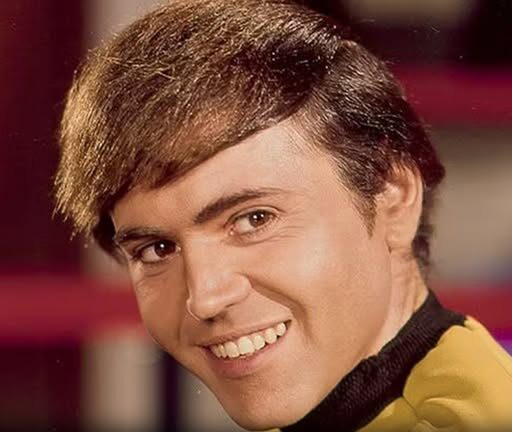
He was Pavel Chekov, the youthful navigator aboard the USS Enterprise whose distinctive accent, unforgettable hairstyle, and loyal personality made him a beloved part of Star Trek history.
Although he joined the groundbreaking series after its first season, Koenig quickly established himself as an important member of its celebrated cast.
His character became instantly recognizable to audiences who followed the adventures of Captain Kirk, Spock, and the rest of the Enterprise crew.
Now, the entertainment world is mourning the loss of the actor who helped bring that unforgettable universe to life.
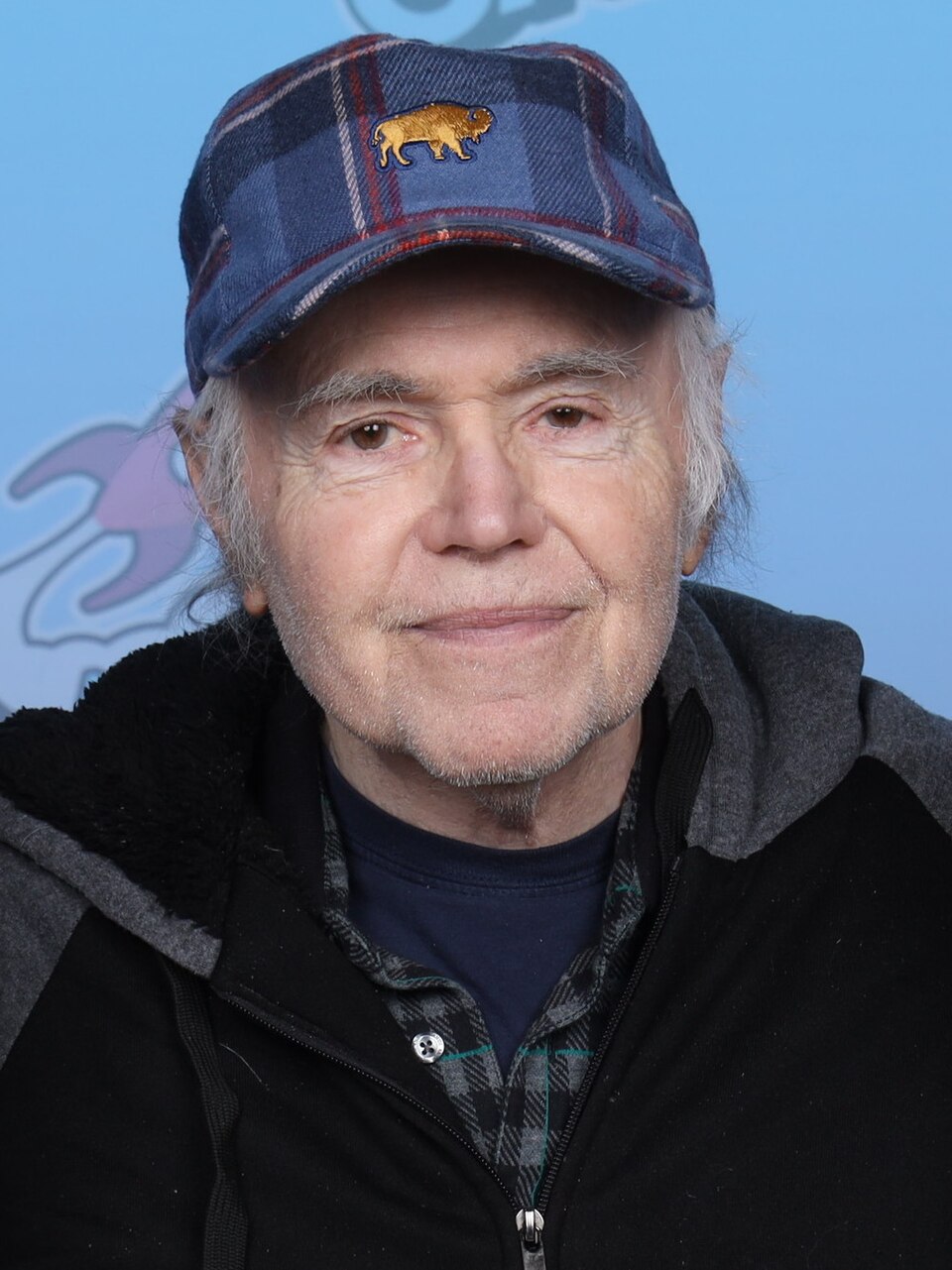
Walter Koenig has died at the age of 90.
His death marks the end of an extraordinary career that included television, motion pictures, writing, and decades of appearances celebrating the science-fiction community.
But beyond his professional achievements, Koenig’s life was also shaped by an enduring marriage, deeply personal losses, and a determination to create an identity beyond his most famous character.
Walter Koenig’s Cause of Death Revealed
Koenig died on Sunday at his home in North Hollywood.
According to his representative, the actor passed away from natural causes.
He was 90 years old.
For longtime Star Trek fans, the announcement represents another emotional farewell to a performer who helped define one of television’s most influential science-fiction franchises.
Koenig’s portrayal of Chekov remained closely associated with the original series, even as the franchise expanded into additional television productions and films.
His character’s presence brought youthful energy and humor to the Enterprise bridge.
And although his original television appearances were relatively limited compared with some of his castmates, his contribution became a lasting part of the show’s identity.
His death has also renewed attention to the remarkable journey that brought him from a childhood in New York to one of Hollywood’s most recognizable fictional spacecraft.
His Childhood Was Shaped by Immigration and Political Tensions
Marvin Walter Koenig was born in Chicago on September 14, 1936.
His parents were Isadore Koenig, a businessman, and Sarah Strauss.
The family had Russian Jewish roots and connections to Lithuania before immigrating to the United States.
Following their arrival in America, the family surname was shortened from Königsberg to Koenig.
During Walter’s childhood, the family relocated to Manhattan’s Inwood neighborhood.
He spent much of his early life there, attending school and growing up in a household shaped by the political concerns of the time.
His father was a committed communist, a position that attracted attention during an era when communist affiliations were viewed with intense suspicion by American authorities.
Koenig later recalled that the FBI investigated his father’s activities.
Federal agents even searched the family’s apartment.
These experiences exposed the future actor to political conflict and public scrutiny long before he entered the entertainment industry.
They formed part of a childhood that was considerably different from the fictional adventures that would eventually make him famous.
Acting Wasn’t His Original Career Plan
Before discovering his passion for performance, Koenig initially considered a career outside the arts.
He enrolled at Grinnell College, where he began studying in preparation for a possible medical career.
He later transferred to the University of California, Los Angeles, and pursued psychology.
But his professional direction changed after he took an acting class.
The experience awakened an interest that eventually became central to his life.
Determined to develop his abilities, Koenig continued his training at the Neighborhood Playhouse in New York.
There, he studied alongside performers who would also establish successful careers, including James Caan, Christopher Lloyd, and Dabney Coleman.
The training gave Koenig an opportunity to strengthen his technique and explore different kinds of characters.
By the early 1960s, he had begun securing television roles.
He developed particular skill in portraying characters with different accents and cultural backgrounds.
That ability would later become especially important when he auditioned for Star Trek.
He Played a Russian Character Before Becoming Chekov
Long before audiences knew him as the Enterprise’s Russian navigator, Koenig had already demonstrated his ability to portray a Russian character.
In 1963, he appeared in an episode of the television series Mr. Novak.
That performance became one of several early acting experiences that helped establish his professional reputation.
He also appeared in The Lieutenant, a television series created by Gene Roddenberry.
Roddenberry would later become internationally known as the creator of Star Trek.
Although Koenig could not have known how important that professional connection would become, it placed him within the orbit of a creator whose next major project would transform his career.
When an opportunity eventually emerged to join Star Trek, Koenig was prepared to audition.
But the actor’s first impressions of the science-fiction series were far from enthusiastic.
He Initially Dismissed Star Trek as Unconvincing
One of the most surprising details about Koenig’s career is that he wasn’t particularly impressed by Star Trek before joining its cast.
In a 2013 interview with the Television Academy Foundation, he remembered occasionally encountering the program while changing television channels.
The show’s artificial-looking scenery caught his attention.
He was especially skeptical of the rocks used in some scenes, which he believed looked obviously manufactured.
Rather than becoming interested in the program, he initially dismissed it as unconvincing.
At that point, he had no idea that the same television series would soon become the defining professional opportunity of his life.
What he originally viewed as an unremarkable science-fiction production would eventually introduce him to audiences around the world.
And his association with the franchise would continue long after its original television run ended.
The Audition That Changed His Life
Koenig’s opportunity to join Star Trek arrived as the series prepared for its second season.
Among those involved in the audition process was director Joseph Pevney.
Pevney had previously worked with Koenig on The Alfred Hitchcock Hour and was familiar with his acting abilities.
Koenig later remembered that the director had been encouraging about his potential.
That existing professional relationship helped create a positive atmosphere during the audition.
But Koenig’s recollection of learning he had won the role was far more unusual than a conventional Hollywood success story.
After auditioning, he waited for hours without receiving a clear announcement.
Eventually, a wardrobe employee approached him and began taking measurements for a costume.
Koenig was initially confused by the unexpected fitting.
Only when the employee indicated that he needed a costume did the actor understand what had happened.
He had been hired.
Instead of receiving an elaborate congratulatory speech, Koenig discovered his career-changing opportunity through a routine wardrobe appointment.
It was an unexpectedly ordinary beginning to an extraordinary chapter.
Why Star Trek Introduced the Young Navigator
Koenig joined Star Trek at the beginning of its second season.
His character, Pavel Andreievich Chekov, became part of the Enterprise bridge crew.
The addition was intended partly to bring a younger presence to the series.
Koenig later explained that producers had considered a character originally called Jones.
The idea was connected to the popularity of Davy Jones, the young singer associated with The Monkees.
Television executives hoped a youthful character could attract younger viewers.
Chekov fulfilled that role while also contributing a distinctive personality to the Enterprise crew.
His Russian accent, enthusiastic manner, and recognizable appearance made him stand out.
Although he was not the show’s central character, he became an important part of its ensemble.
Koenig ultimately appeared in 36 episodes across the series’ final two seasons.
His Famous Hairstyle Wasn’t What Fans Thought
Chekov’s youthful appearance became one of his defining characteristics.
His thick hairstyle was particularly memorable.
But Koenig later revealed that the hair audiences admired was not entirely his own.
The famous look involved a wig.
The revelation became one of the actor’s favorite subjects for humorous reflection.
He recalled receiving substantial fan mail from younger viewers, many of whom complimented his appearance and hairstyle.
According to Koenig, he received hundreds of letters.
He even remembered ranking behind William Shatner and Leonard Nimoy in the amount of fan mail received.
But he joked that some of his youthful appeal diminished when admirers discovered several facts about him.
His famous hairstyle wasn’t real.
He wasn’t actually Russian.
And he was already married.
Koenig approached those revelations with humor, recognizing the difference between the character audiences adored and the actor behind the performance.
He Understood His Supporting Role on the Enterprise
Although Chekov became popular, the character was not always given the same dramatic opportunities as the show’s leading figures.
Koenig understood that much of the storytelling centered on Captain Kirk, Spock, and Dr. McCoy.
His role frequently involved helping establish the circumstances surrounding an episode’s central conflict.
The leading characters would then develop the dramatic and emotional elements of the story.
Koenig accepted that structure while continuing to make Chekov memorable.
His performance helped create the sense that the Enterprise was operated by a larger, recognizable crew rather than only a handful of central figures.
That ensemble identity became one of the franchise’s enduring strengths.
And it helped ensure that Chekov remained familiar to fans even after the original series ended.
He Returned for Seven Star Trek Movies
When the original Star Trek television series ended, Koenig’s connection to the franchise was far from over.
He returned as Chekov in Star Trek: The Motion Picture, released in 1979.
The film reunited the original cast and introduced their characters to a new cinematic audience.
Koenig subsequently appeared in additional Star Trek films, continuing to portray the navigator who had made him famous.
His involvement extended through Star Trek Generations in 1994.
Altogether, he appeared in the first seven films associated with the original cast and its transition into the next generation of the franchise.
Those appearances gave audiences opportunities to reconnect with Chekov long after the original television episodes had become classics.
They also demonstrated the lasting popularity of the Enterprise crew.
For Koenig, the films extended a professional relationship with Star Trek that would become central to his public identity.
He Worried About Being Remembered for Only One Character
Despite his success, Koenig faced a challenge familiar to many actors associated with iconic television roles.
He was concerned about becoming typecast.
Chekov had given him international recognition, but the character’s popularity also made it difficult to escape audience expectations.
Koenig responded by expanding his creative work beyond acting.
He became increasingly involved in television writing.
His credits included contributions to Land of the Lost, Family, The Powers of Matthew Star, and The Incredible Hulk.
Writing provided an additional way to participate in entertainment without depending entirely on on-screen appearances.
It also allowed him to explore different genres and storytelling styles.
Although he remained strongly associated with Star Trek, Koenig continued searching for opportunities that would demonstrate his broader abilities.
Babylon 5 Introduced Him to Another Generation
Years after his original Star Trek success, Koenig found another memorable science-fiction role.
He portrayed Alfred Bester in Babylon 5.
The character introduced him to viewers who knew little about his earlier work aboard the Enterprise.
Bester offered a different acting challenge from Chekov.
Rather than playing a youthful navigator, Koenig portrayed a more complex and unsettling figure.
The performance allowed him to demonstrate a different side of his abilities.
But his involvement in the series was nearly prevented by a serious health emergency.
A Heart Attack Nearly Cost Him the Role
At the age of 56, Koenig suffered a heart attack.
The medical emergency required quadruple bypass surgery.
His recovery forced him to miss an earlier opportunity to appear in Babylon 5.
It was a significant interruption in his professional life.
But he eventually joined the production and established Alfred Bester as another recognizable character in science-fiction television.
The experience became an important example of his ability to continue working after a major personal setback.
It also helped demonstrate that his career could extend beyond the role that had first made him famous.
He Shared More Than Five Decades With His Wife
Behind Koenig’s long professional career was an equally remarkable personal relationship.
He married actress Judy Levitt in July 1965.
The wedding took place before Star Trek had become part of his life.
The couple remained married for more than 57 years.
During that time, they experienced the changing demands of Hollywood, the growth of Koenig’s career, and the challenges of family life.
Levitt also worked as an actress.
She appeared alongside her husband in several Star Trek films and in Babylon 5.
Their relationship connected two performers whose personal and professional lives occasionally overlapped.
For Koenig, the marriage remained a constant presence throughout decades of changing circumstances.
But the couple also endured devastating personal tragedy.
The Heartbreaking Death of Their Son Andrew
In 2010, Walter Koenig and Judy Levitt experienced one of the most painful losses a family can face.
Their son, Andrew Koenig, died by suicide at the age of 41.
Andrew was also an actor.
Television audiences remembered him for portraying Richard Stabone, known as Boner, on the sitcom Growing Pains.
His death brought profound grief to the family.
For Walter and Judy, the tragedy was deeply personal, far removed from the professional success and public recognition associated with their careers.
The loss became an important part of Koenig’s later life story.
It was a reminder that even people who spend decades entertaining audiences can experience extraordinary suffering away from public view.
Andrew’s memory remained part of the family’s history as Koenig continued his professional activities.
He Lost His Wife Judy in 2022
More than a decade after their son’s death, Koenig endured another heartbreaking loss.
Judy Levitt died in December 2022 at the age of 83.
The couple had been married for more than 57 years.
Their relationship had begun before Koenig’s breakthrough role and continued through nearly every major chapter of his public career.
They had experienced the early uncertainty of acting, the enormous popularity of Star Trek, and the emotional challenges of raising a family.
They had also faced the devastating loss of their son together.
Judy’s death brought an end to a marriage that had lasted for more than half a century.
It was another profound personal loss during Koenig’s later years.
His Daughter Danielle Continued the Family’s Creative Tradition
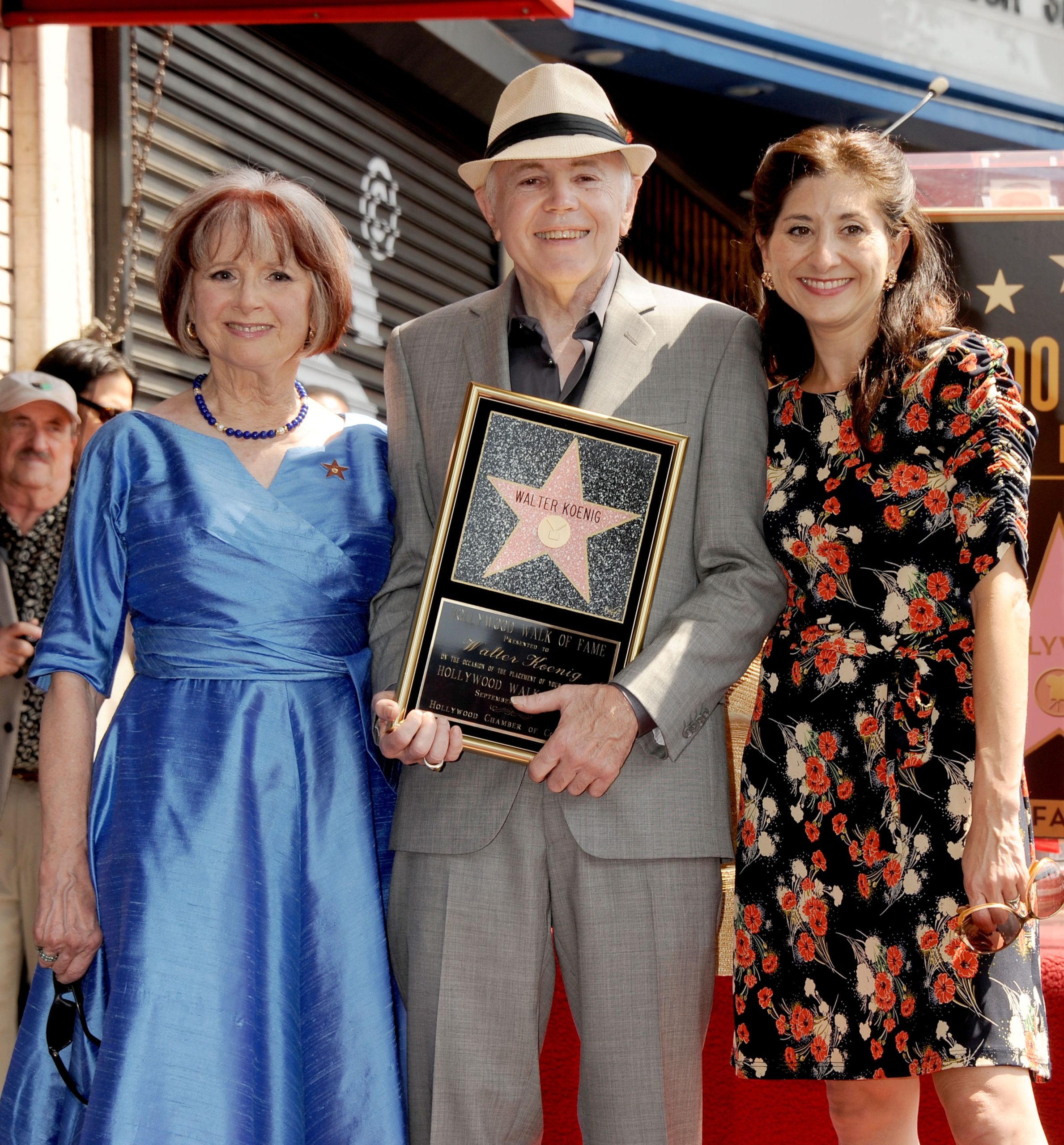
Koenig is survived by his daughter, Danielle Koenig.
Like other members of the family, Danielle pursued work in entertainment.
She became an actress and screenwriter.
She is married to comedian Jimmy Pardo.
Danielle also shared important public moments with her parents.
In September 2012, she appeared alongside Walter and Judy when Koenig received a star on the Hollywood Walk of Fame.
The ceremony recognized his contributions to entertainment and his enduring association with Star Trek.
It was a meaningful professional honor for an actor whose career had begun decades earlier.
And the presence of his family made the occasion especially personal.
The Hollywood Walk of Fame Honored His Lasting Contribution
On September 10, 2012, Koenig was honored with a star on the Hollywood Walk of Fame.
The recognition celebrated a career that had reached audiences through television, film, and writing.
By that point, his portrayal of Chekov had already become an established part of popular culture.
Star Trek had developed a devoted international following, and its original cast remained closely connected to the franchise’s history.
The ceremony offered an opportunity to recognize Koenig’s individual contribution.
Although Chekov had been introduced as a supporting character, his popularity demonstrated how important the larger ensemble had become to audiences.
Koenig’s distinctive performance helped turn that supporting role into a lasting cultural identity.
He Also Shared His Life Through Books
Koenig’s creative interests extended into publishing.
In 1998, he released Warped Factors: A Neurotic’s Guide to the Universe.
The memoir explored aspects of his personal experiences and professional life.
It also reflected the humor and self-awareness that frequently appeared in his interviews.
Years later, he published Beaming Up and Getting Off in 2020.
His books provided opportunities to share memories beyond the brief stories usually told during interviews or convention appearances.
They also gave readers a closer look at the individual behind one of science fiction’s most recognizable characters.
For fans interested in his life beyond Star Trek, the books became another part of his creative legacy.
Why Chekov Remained Important to Star Trek Fans
Star Trek became famous for imagining a future in which people from different backgrounds worked together aboard a shared spacecraft.
Chekov contributed to that vision.
As a Russian member of the Enterprise crew, he was part of an international group united by exploration and cooperation.
His youthful enthusiasm provided a contrast to the more experienced officers around him.
He also brought moments of humor to stories that frequently dealt with serious conflicts and unfamiliar worlds.
For younger viewers, Chekov was often one of the most approachable members of the crew.
For longtime fans, he became a familiar presence whose appearances helped complete the original Enterprise ensemble.
Koenig’s ability to make the character memorable despite limited screen time contributed to that enduring affection.
A Career That Continued Long After the Original Series
One of the most remarkable aspects of Koenig’s professional life was its longevity.
His early television work began in the 1960s.
His breakthrough came with Star Trek.
He later returned to the franchise through major motion pictures.
He expanded his career through writing and found renewed recognition in Babylon 5.
He also continued sharing his experiences with fans through interviews, books, and public appearances.
Those activities allowed audiences to connect with him beyond the fictional character they knew.
His recollections frequently combined humor with thoughtful observations about the entertainment industry.
Even when discussing the limitations of his most famous role, he demonstrated an appreciation for the opportunities it had provided.
Remembering the Man Behind Pavel Chekov
Walter Koenig’s life was filled with remarkable contrasts.
He grew up in a family affected by political scrutiny during a tense period in American history.
He began his education with interests outside acting before discovering a passion for performance.
He initially dismissed Star Trek, only to become one of its most recognizable performers.
He achieved fame through a youthful television character but spent decades proving that his abilities extended far beyond one role.
And behind his public success, he experienced the profound joys and heartbreaking losses of family life.
His marriage to Judy Levitt lasted more than 57 years.
He endured the devastating death of their son Andrew and later said goodbye to his wife.
Through those experiences, his professional achievements remained only one part of a much larger personal story.
Walter Koenig Leaves Behind a Legacy That Will Endure
For audiences who discovered Star Trek during its original television run, Walter Koenig will always be associated with the familiar bridge of the Enterprise.
For younger fans who encountered the franchise through its films and later generations of science-fiction storytelling, his portrayal of Chekov remains part of its history.
His work in Babylon 5, his television writing, and his published memoirs added further dimensions to a career that spanned decades.
But perhaps his greatest professional achievement was the affection audiences continued to feel for a character he first portrayed so many years ago.
Chekov was not the captain of the Enterprise.
He was not its most prominent officer.
Yet his presence became essential to the way countless viewers remembered the original crew.
Walter Koenig died at 90, leaving behind a body of work that continues to connect generations of science-fiction fans.
Although the actor is gone, the youthful navigator who helped guide the Enterprise through its unforgettable adventures will remain a cherished part of television history.