
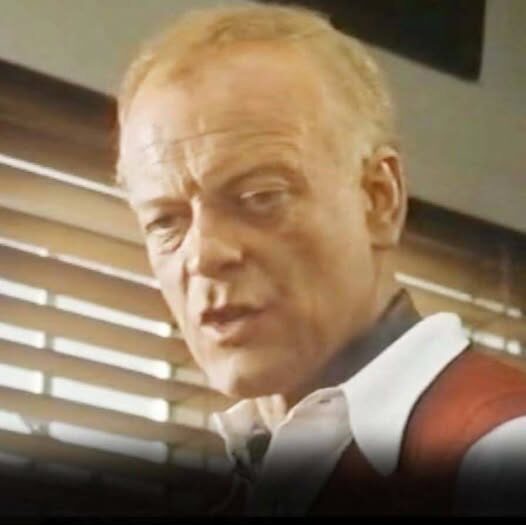
Michael Byrne, Actor Known for Indiana Jones and Harry Potter, Reportedly Dies at 82
A Familiar Face From Two Beloved Film Franchises Is Remembered
British actor Michael Byrne, whose long screen career included appearances in the Indiana Jones and Harry Potter franchises, has reportedly died at the age of 82.
According to the account of his passing, Byrne died on June 20. The cause of death has not been disclosed, and the information provided does not identify an official family statement or independently verified announcement.
For audiences familiar with his performances, Byrne was an actor whose presence could make a scene immediately more unsettling. He became particularly recognizable for portraying threatening figures and antagonists, bringing authority and tension to stories that required convincing opposition.
His work extended far beyond the two internationally successful film franchises most frequently associated with his name.
Over the course of his career, Byrne appeared in more than 150 film and television productions, according to the report, building an extensive body of work across decades of screen acting.
Behind those performances was also a private family life. The account states that he is survived by his wife, two daughters, and three grandchildren.
As news of his reported death draws attention to his career, his professional legacy offers an opportunity to recognize the contribution of character actors whose work often helps make memorable stories possible.
Michael Byrne’s Long Career in Film and Television
Michael Byrne established himself as a familiar presence in British and international screen productions through a career that reportedly encompassed more than 150 acting credits.
That volume of work reflects the breadth of his professional experience and the consistent demand for his performances across film and television.
Although leading actors often receive the greatest attention, supporting performers play an essential role in shaping the atmosphere and credibility of a production.
Byrne became known for characters who could communicate danger, authority, or intimidation without requiring extensive screen time.
His performances helped create dramatic tension, particularly in stories involving conflict between central characters and powerful adversaries.
Such roles demand more than an intimidating appearance. An effective antagonist must establish a believable presence within the story, giving audiences a reason to understand the challenges confronting the protagonists.
Byrne’s reputation for portraying these figures became one of the defining characteristics of his career.
His continued appearances across numerous productions also demonstrated the lasting importance of experienced supporting actors within the entertainment industry.
His Appearance in Indiana Jones and the Last Crusade
One of Byrne’s most widely recognized film appearances came through Indiana Jones and the Last Crusade.
The film became an important part of the Indiana Jones franchise, introducing audiences to another adventure involving danger, mystery, and confrontations with threatening opponents.
Byrne’s participation connected him to a cinematic series known for its memorable characters and dramatic action sequences.
Within adventure films, antagonistic figures often serve a particularly important purpose.
They establish the stakes of the story, create obstacles for the central characters, and help sustain the tension that drives the narrative forward.
Supporting actors who portray such characters can leave lasting impressions even when their appearances occupy only a limited portion of the film.
For Byrne, Indiana Jones and the Last Crusade became one of the productions through which international audiences encountered his distinctive acting style.
His contribution formed part of a larger ensemble whose performances helped establish the film’s dramatic atmosphere.
Decades after its release, the franchise continues to introduce viewers to the actors who appeared throughout its history.
Reaching Another Generation Through Harry Potter
Byrne later appeared in Harry Potter and the Deathly Hallows – Part 1, connecting his career to another major film franchise.
The Harry Potter series reached audiences across different generations and became widely associated with an extensive cast of recognizable British performers.
Byrne’s appearance placed him among the many supporting actors who contributed to the films’ distinctive screen world.
For performers with long careers, participation in major franchises can introduce their work to viewers who may be unfamiliar with earlier productions.
Someone who first encountered Byrne through Harry Potter might later recognize him in Indiana Jones or another film from his extensive career.
That ability to reach audiences through productions released years apart is one of the distinctive features of a long acting career.
Although the two franchises differ considerably in setting and storytelling, both rely on supporting performances to establish conflict and maintain dramatic tension.
Byrne’s involvement in both productions remains an important part of his screen legacy.
Why His Villainous Characters Were So Memorable
Throughout his career, Byrne developed a reputation for portraying characters who could make audiences uneasy.
His screen presence was particularly suited to figures associated with authority, intimidation, and opposition.
These performances often required restraint as much as intensity.
A convincing antagonist does not necessarily need lengthy dialogue or constant action to influence a scene. Sometimes a controlled expression, deliberate delivery, or imposing presence can establish the threat a character represents.
Byrne’s work demonstrated the importance of those qualities in dramatic storytelling.
His ability to portray formidable individuals made him a recognizable supporting performer across different productions.
For audiences, such characters can remain memorable long after the specific details of a film have faded.
They help define the dangers facing the protagonists and contribute to the emotional experience of watching a story unfold.
While the characters Byrne portrayed could be intimidating, those fictional identities represented only one aspect of the actor’s professional life.
His personal life, including his relationships with family members, existed separately from the antagonists audiences associated with his performances.
The Importance of Supporting Actors in Major Productions
Byrne’s career provides an example of the contribution supporting actors make to film and television.
Major productions often become closely identified with their leading performers, but the overall success of a story depends on a much larger cast.
Supporting actors help establish the world surrounding the principal characters.
They may portray authority figures, adversaries, relatives, colleagues, or individuals whose actions influence the direction of the narrative.
Even when these characters appear briefly, their performances can shape the audience’s understanding of the story.
In adventure and fantasy productions, the importance of convincing antagonists is especially apparent.
The central characters must face challenges that feel meaningful, and supporting performers help communicate the seriousness of those obstacles.
Byrne’s association with threatening screen characters reflected his ability to fulfill that dramatic responsibility.
His reported total of more than 150 film and television productions also suggests a professional life built on sustained participation rather than a single defining appearance.
For many character actors, that consistency becomes an important measure of their contribution to the industry.
A Career That Connected Different Generations of Viewers
One of the notable aspects of Byrne’s professional legacy is the range of audiences who encountered his work.
Indiana Jones and the Last Crusade and Harry Potter and the Deathly Hallows – Part 1 belong to different periods of popular cinema.
Both became part of widely recognized film franchises, but they reached viewers through distinct stories and cinematic traditions.
By appearing in both, Byrne became familiar to audiences who might otherwise have had little overlap in their viewing experiences.
Older viewers may remember him primarily through adventure films and television productions from earlier stages of his career.
Younger audiences may recognize him through the Harry Potter franchise.
His extensive body of work therefore offers several points of connection for viewers interested in revisiting his performances.
That cross-generational recognition is a meaningful aspect of an acting career that spans many years.
It also illustrates how supporting performances can continue reaching new audiences long after a production’s original release.
The Private Family Life Behind His Public Career
While Byrne’s professional achievements brought him recognition among film and television audiences, the report of his passing also draws attention to his family.
According to the account, he leaves behind his wife, two daughters, and three grandchildren.
Those relationships represent a personal dimension of his life that existed beyond his work on screen.
For the public, an actor may be remembered through characters, memorable scenes, and familiar appearances.
For family members, however, the same individual is connected to shared experiences, personal relationships, and memories that are not necessarily visible to audiences.
The contrast is particularly striking for performers recognized for playing villains.
Characters designed to create fear or conflict are fictional roles, while the individual portraying them has a life that extends beyond those performances.
The supplied account does not provide additional details about Byrne’s family circumstances or private experiences.
Respecting that distinction allows his professional contributions to be discussed without making unsupported assumptions about his personal relationships.
What Has Been Reported About His Passing
The available report states that Michael Byrne died on June 20 at the age of 82.
It does not specify a cause of death.
No further medical details are included, and there is no basis in the supplied information for speculation about his health or final circumstances.
The report also does not identify an official announcement, a family representative, or a specific publication confirming the details.
For that reason, the date, age, and family information should be understood as reported claims rather than independently established facts within this article.
When information about a public figure’s death circulates, accurate attribution is especially important.
Unconfirmed details can spread quickly, particularly when a familiar actor is associated with internationally popular productions.
Responsible coverage distinguishes between what has been reported and what has been independently verified.
Until additional confirmation is available, Byrne’s extensive professional record remains the clearest basis for discussing his contribution to cinema and television.
Remembering Decades of Screen Performances
Michael Byrne’s acting career was defined by consistency, versatility within character roles, and a recognizable screen presence.
His reported involvement in more than 150 productions represents a substantial contribution to film and television.
Among those credits, Indiana Jones and the Last Crusade and Harry Potter and the Deathly Hallows – Part 1 remain particularly recognizable titles.
They demonstrate how an actor working in supporting roles can become part of productions remembered by audiences around the world.
His reputation for playing antagonists also reflects the important relationship between character acting and dramatic storytelling.
A memorable villain can help define the atmosphere of a film, create meaningful conflict, and make the central characters’ experiences more compelling.
Byrne’s performances contributed to that tradition across his long career.
Although his roles were frequently associated with danger or intimidation, his legacy cannot be reduced to any single fictional character.
It encompasses decades of professional work and the many productions in which he participated.
Michael Byrne’s Lasting Place in Film History
The reported death of Michael Byrne at 82 brings renewed attention to a career that connected generations of film and television audiences.
His appearances in Indiana Jones and Harry Potter represent two familiar chapters in a much larger professional history.
Across more than 150 reported screen productions, he developed a reputation for bringing convincing authority and tension to the characters he portrayed.
Those performances helped support stories whose popularity extended well beyond their original releases.
At the same time, the account of his passing reminds readers that the individual behind the memorable villains was also a husband, father, and grandfather.
While the circumstances of his reported death remain limited to the information provided, his work offers a substantial legacy for audiences to revisit.
For viewers who remember his imposing screen characters, Byrne’s contribution lies in the ability to make even supporting appearances feel significant.
His career illustrates that lasting cinematic recognition does not depend exclusively on playing the hero or occupying the leading role.
Sometimes, the performers who give stories their greatest sense of danger become just as memorable as the characters who ultimately overcome it.