

Bruce Willis’s Dementia Diagnosis: What His Family Has Shared
A new report cites an unnamed source, while Emma Heming Willis has spoken publicly about how her family has adapted
Bruce Willis’s health returned to the headlines on November 9, 2026, after the Daily Mail quoted an unnamed source who claimed the actor’s condition had worsened. The report described changes in his behavior and awareness. Those observations have not been independently verified, and Page Six reported that Willis’s representative had yet to respond to its request for comment.
What the Willis family confirmed
In March 2022, Willis’s family announced that he had been diagnosed with aphasia and was stepping away from acting. Aphasia affects a person’s ability to use or understand language. In February 2023, the family shared a more specific diagnosis: frontotemporal dementia, often shortened to FTD.
The family published its statement through the Association for Frontotemporal Degeneration. They explained that Willis’s symptoms had progressed since the earlier announcement and said they hoped sharing his diagnosis would bring more attention to a condition many people know little about.
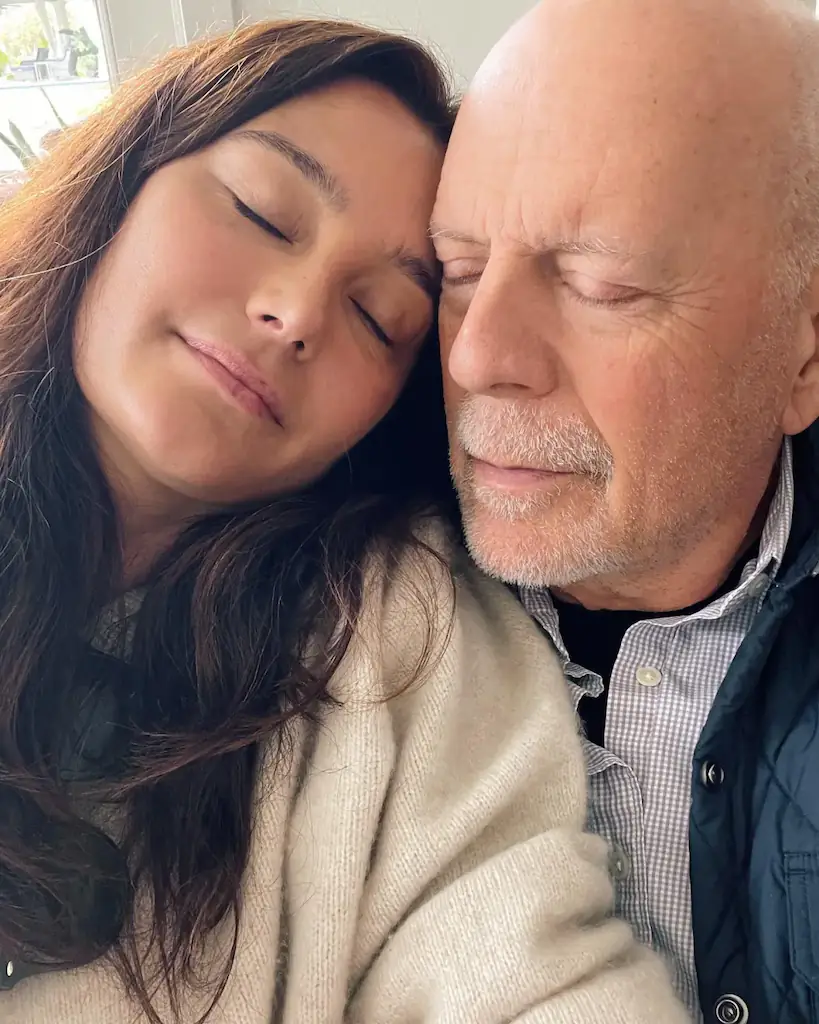
Emma Heming Willis on the moments her family still shares
In a September 2026 interview with Richard Lui for MS NOW’s Because We Care, Emma Heming Willis described her husband as “very present” and spoke about the moments of joy and connection they continue to share. She acknowledged how difficult dementia can be and said the family has learned to adapt how they spend time together.
Willis and Heming Willis share two daughters, Mabel and Evelyn. He also has three daughters, Rumer, Scout, and Tallulah, with his former wife, Demi Moore. The family came together to share the 2023 diagnosis, and Heming Willis has since used her public platform to talk about the experiences of people living with dementia and those who care for them.

What frontotemporal dementia can affect
Frontotemporal dementia belongs to a group of progressive disorders that affect the frontal and temporal regions of the brain. According to the National Institute on Aging, some people first experience changes in behavior, personality, or judgment. Others first have trouble speaking or understanding words. The symptoms and how they develop vary from person to person.
There is currently no cure, although care can help manage symptoms and support communication and daily life. In her interview, Heming Willis spoke about how her family has adjusted to those changes and still finds ways to enjoy time together.