
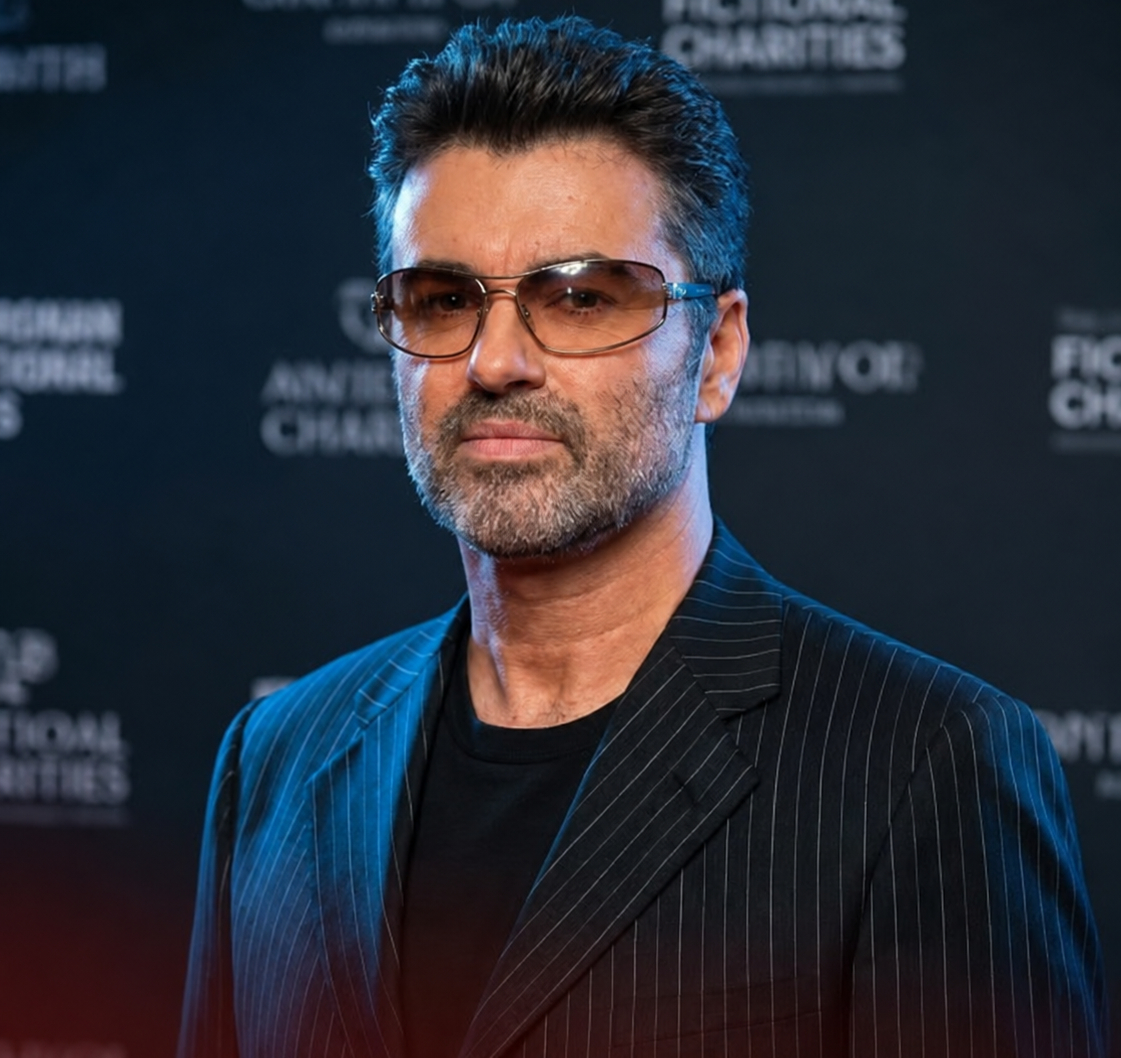
George Michael Secretly Gave a TV Contestant £15,000 for IVF. His Gift Was One of Many.
What George Michael Did the Day After Watching Deal or No Deal
When George Michael died in December 2016, people who had known about his charitable work began sharing stories he had kept private. One came from television presenter Richard Osman, who remembered a woman on Channel 4’s Deal or No Deal explaining that she needed £15,000 to pay for IVF. The day after the episode, Michael contacted the production team privately and offered the full amount.
The woman, later identified as Lynette Gillard from Bolton, eventually learned who had helped her and expressed her gratitude. For people who knew Michael through his records and concerts, the story offered a glimpse of something that had rarely been part of his public life. He had heard what a stranger needed, had the means to help, and used the production team to reach her without putting himself at the center of the story.
A Deal or No Deal Contestant Explained What £15,000 Would Mean
Gillard had told the program that she and her partner hoped to start a family. The amount she mentioned was tied to a particular expense, the cost of IVF treatment. Viewers heard her explain what she hoped to do if she could afford it. Michael’s response came through a private call to the people behind the show.
Osman recalled that the singer got in touch the next day and gave the entire £15,000. The production team could connect the offer to the person it was meant for. Gillard later found out that Michael had been responsible, but his role had been private when he arranged the gift.
Other accounts described him responding in much the same way when he heard someone was having trouble with money. In one widely shared story, Michael reportedly left a £5,000 tip for a barmaid who was struggling with student debt. The circumstances were different from Gillard’s, but in both accounts the help went directly to someone facing an expense they were struggling to meet.
A Radio Appeal for Children Received £100,000
Some of Michael’s giving went through organizations and appeals he supported over a period of years. Former Capital Radio presenter Mick Brown remembered the singer contributing regularly to the station’s Easter appeal for children. Brown recalled one donation of £100,000.
His recollection adds a different kind of detail to the story of Michael’s giving. The IVF gift came about after one television appearance. The Easter appeal was an effort Michael came back to, and the £100,000 contribution was one example Brown could put a figure on.
Michael also supported children through Childline. Its founder, Dame Esther Rantzen, said royalties from his song Jesus to a Child had benefited the organization, helping it respond to more children who reached out for support. She estimated that his contributions to Childline over the years came to about £2 million.
Rantzen’s estimate concerned the support he gave to Childline over time. The Capital Radio appeal and the gift arranged through Deal or No Deal were separate examples. Each became public because someone involved was able to explain how the money reached the people or organization it was intended to help.
His Music Helped Raise Money for Charitable Causes
Michael also used proceeds from his recordings to support charities. His duet with Elton John, Don’t Let the Sun Go Down on Me, generated proceeds that went to charitable organizations. Royalties from Wham!’s Last Christmas went toward famine relief in Ethiopia, giving one of his most familiar recordings a connection to a cause far removed from its place on holiday playlists.
The support he gave through Jesus to a Child followed a similar route. People could hear the song for years without knowing that its royalties were helping Childline. Rantzen’s account explained what the organization gained from that arrangement. The money helped it respond to children seeking support, a purpose that could easily go unnoticed by someone who knew the recording only as a George Michael song.
His charitable interests included HIV organizations, children’s causes, and cancer support. He also established the Platinum Trust in 1990 to distribute grants. Alongside that organized work were accounts of him helping people who were homeless or experiencing financial difficulties, often without public recognition.
A Free Concert Thanked the Nurses Who Cared for His Mother
Michael’s mother died of cancer in 1997. In 2006, he organized a free concert in London to recognize the NHS nurses who had cared for her. The performance gave him a way to acknowledge their work through the part of his life that was already public.
The concert was more visible than the private call that helped Gillard or the individual gifts that surfaced after his death. Its purpose was also more personal than a general appeal. He was thanking nurses whose care his family had experienced, years after losing his mother.
In a 1999 interview, Michael had explained that he preferred to keep the amounts he gave private. He regarded his charitable contributions as personal. The later accounts gave some indication of what he had chosen to keep to himself, from help with one person’s financial difficulties to long-running support for organizations.
Why So Many of the Stories Emerged After His Death
The accounts that came out after December 2016 often began with someone who had seen one part of Michael’s giving. Osman could explain how the offer reached a television contestant. Brown remembered the contributions to a radio appeal, and Rantzen could describe what the royalties meant for Childline. Gillard could speak about learning the identity of the person who had paid for her treatment.
The full amount Michael gave was never publicly established. The figures that did emerge tell readers what happened in particular cases. The £100,000 Brown remembered was one donation to the Easter appeal. Rantzen’s estimate covered years of support for Childline. For Gillard, the amount was the £15,000 she had said she needed when she appeared on television.
Last Christmas still returns to playlists each festive season, and the songs remain how many listeners first encounter Michael. The people who spoke after his death remembered him through other moments as well. For Gillard, it came down to a simple sequence of events. She explained on television what she needed, and the next day someone she had never asked for help called the production team and offered to cover it.