
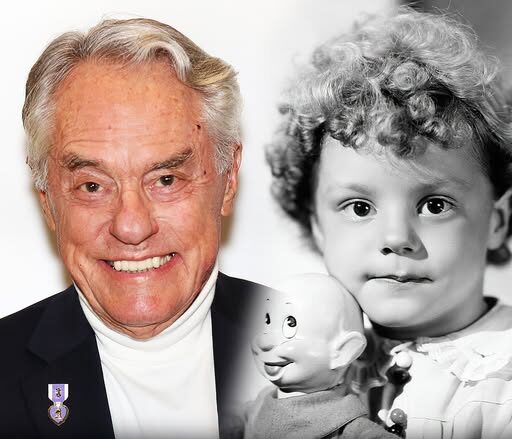
Donnie Dunagan, the Voice of Bambi Who Kept It Secret From His Fellow Marines, Dies at 92
His Last Film Role Became His Best Known, but He Rarely Mentioned It During His 25 Years in the Marines
As a boy, Donnie Dunagan gave young Bambi his voice. As an adult, he served three tours in Vietnam, rose to the rank of major in the U.S. Marine Corps, and received three Purple Hearts. For years, the Marines closest to him had no idea that the officer they knew had voiced the young deer in Disney’s 1942 film.
Dunagan’s death was announced on November 4, 2026. He was 92. Film historian Tom Weaver said Dunagan died of lung cancer. He and his wife, Dana, had lived in San Angelo, Texas, after marrying in September 1992.
By the time Dunagan began speaking publicly about Bambi again, people who had first heard him as children were introducing the film to younger generations. They could still hear the boy he’d been when he recorded it. Dunagan could tell them what had happened in the decades between that recording and the moment he finally felt comfortable talking about it.
His Mother Sold Her Only Ring to Buy Him Tap Shoes
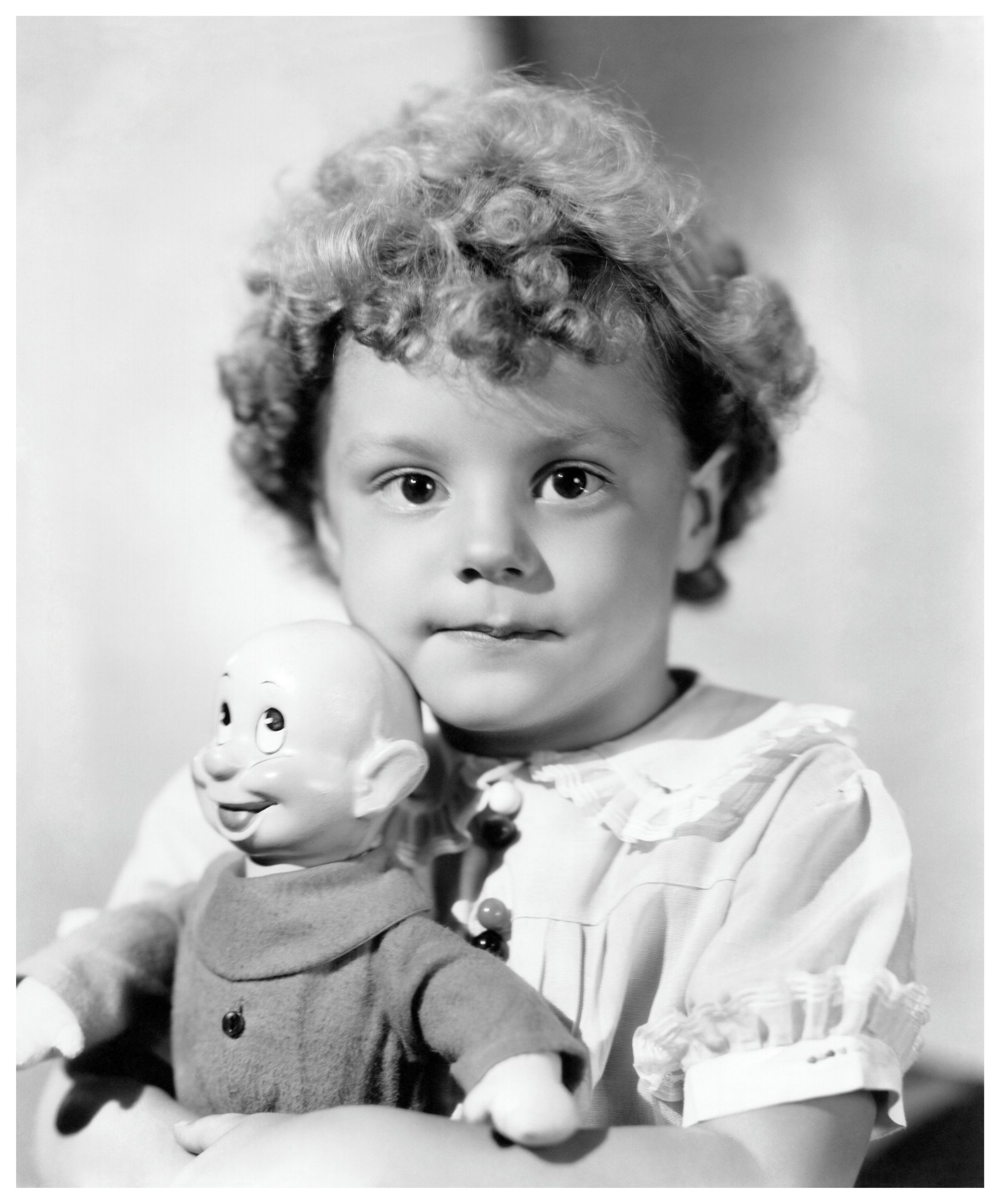
Donald Roan Dunagan was born in San Antonio, Texas, on August 16, 1934. His Irish parents had little money. After the family moved to Memphis, he entered a local talent contest at three years old. His mother sold her only ring to buy him an outfit and a pair of tap shoes for the performance.
He won $100. Someone in the audience noticed him as well. An RKO talent scout arranged for the family to go to Los Angeles, where Dunagan auditioned and landed a part in Mother Carey’s Chickens. The film, released in 1938, was his screen debut.
Two films in 1939 put him alongside some of the best-known actors in horror. In Son of Frankenstein, he played Peter von Frankenstein, the son of Basil Rathbone’s character. Boris Karloff played the Monster, but the young actor remembered Karloff for something that never made it into the film. They played checkers together, and Dunagan later recalled winning four bits from him.
Dunagan worked with Rathbone again in Tower of London and went on to appear in other films. His parents had gone from getting by on wages of about 25 cents an hour to seeing the household bring in more than $1,000 a week. The family moved into a more comfortable home and had an expensive car. It was at their home in Westwood that his mother answered a call from Walt Disney.
Walt Disney Wanted to Give a Deer a Child’s Expression
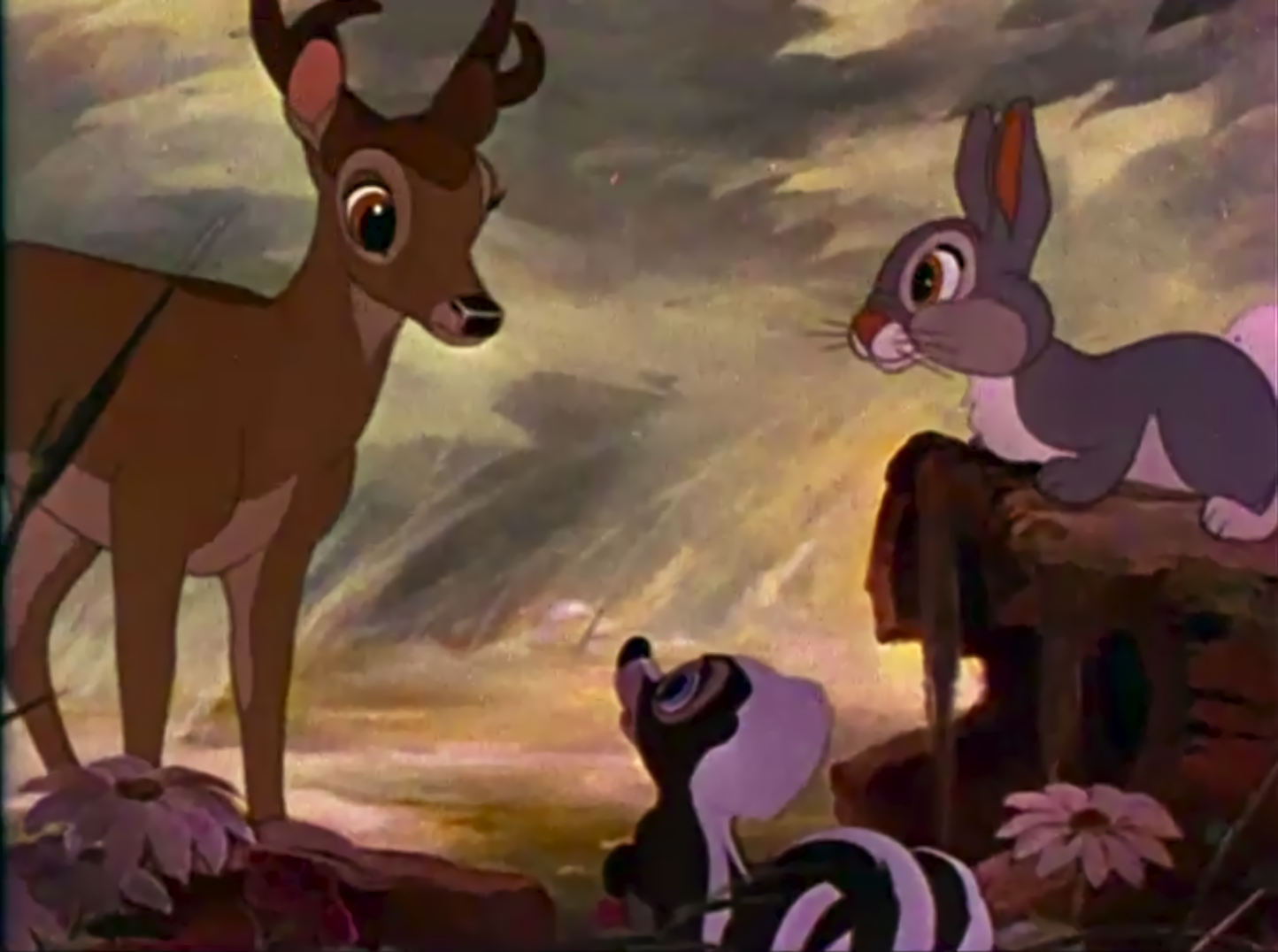
Disney wanted the young actor to help the studio’s artists give a deer the expressions of a child. Dunagan and his mother went to the Disney studios in Burbank, and he spent more than a year working on the film. Bambi, released in 1942, became his seventh and final movie.
One of his most difficult scenes came after Bambi and his mother were pursued by a hunter. Alone in the forest, Bambi calls for her. Dunagan recalled in 2011 that he struggled to put enough fear into the lines until a coach asked him to imagine how he would call out if his own mother were lost and in danger. Once he understood the scene that way, he could give the studio the reading it needed.
Much of what he remembered about Disney was more lighthearted. People in different parts of the studio took time to explain their work to him. He enjoyed being around the animators and remembered the ice cream in the dining room. Looking back, he said that one of the hardest things about the job had been keeping a straight face.
The work also demanded more of his time than a young audience would have guessed from hearing his voice. Scripts had to be rehearsed, lessons and practice filled his days, and interviews and promotional trips came with the job. Dunagan remembered asking his mother if he could give up acting while they were traveling by ship to London to promote Bambi. He wanted more of an ordinary childhood than the schedule allowed.
After Losing His Parents and Grandfather, He Returned to Texas
Dunagan later spoke about mistreatment he said he experienced behind the scenes as a child actor. Some people in the industry treated the behavior as acceptable, he recalled, although he understood even then that it was wrong. His account of Hollywood included both that experience and the warmth he remembered from people who had taken the time to show him how films were made.
He also recalled losing both parents in an air raid during World War II. They had gone out to dinner in southern London while he was with his nanny in the northwest of the city. Dunagan said he was seven when they died.
His Irish grandfather, known as Tom-Tom Johnson, took him in. Dunagan spent part of his childhood in Ireland and England under his care. Johnson had fought for prize money as a bare-knuckle boxer, and his grandson remembered him as a man with a strong sense of how people ought to conduct themselves.
Johnson died when Dunagan was 10. In 1945, Dunagan was sent back to the United States and placed in an orphanage in San Antonio, the city where he had been born. He later moved to Los Angeles, boxed, played high school football, and learned to support himself. The next career he chose took him far from the studio where he had spent part of his childhood.
He Served Three Tours in Vietnam Without Telling His Fellow Marines About Bambi
Dunagan joined the U.S. Marine Corps in 1952 at 18. He stayed in the service for a quarter of a century, becoming a Force Recon commander and a counterintelligence officer. He rose to the rank of major and received a Bronze Star, three Purple Hearts, and other military decorations.
Over the course of his life, he survived three gunshot wounds, a serious stabbing, and two hospital stays for jungle fever that nearly killed him. He survived another close call in a car accident in 1996. His childhood work in Hollywood, meanwhile, remained a detail he rarely shared.
Dunagan later explained that he did not want to appear to be boasting or to invite special attention from the people around him. He also thought he might acquire a nickname he had no wish to hear in the Marines. “Major Bambi.”
Keeping the role private seemed easier at the time. Years later, he thought differently about the friends who had known him well and had never heard that part of his story.
“One of the biggest regrets of my life is that I didn’t have the courage to tell my close personal friends in the Marine Corps that I had been a part of the wonderful work of Mr. Disney,” he said.
Disney Invited Him Back to Share the Story He Had Kept Private
Dunagan retired from the Marines in 1977 and moved into business. He worked for financial companies in New York, Los Angeles, and San Antonio, and served as chief executive of Pace Corp. in Los Angeles. He later returned to work in U.S. intelligence operations. His childhood connection to Disney remained known to a relatively small circle through much of that period.
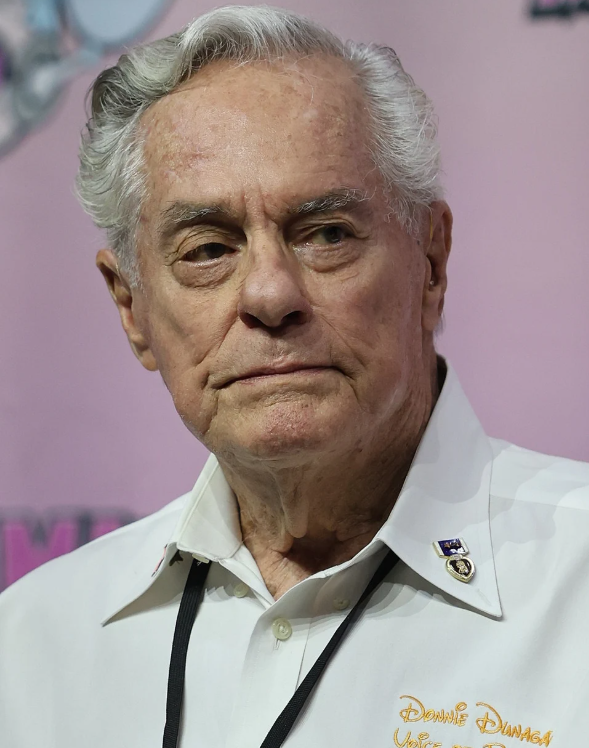
That changed when Disney learned that the actor who had voiced young Bambi was still alive and invited him to take part in a DVD release. The invitation gave him an opportunity to talk about the recording sessions and the people he remembered from the studio. It also put him in front of audiences who had been listening to his performance for decades without knowing much about the person behind it.
He went on to appear at conventions, festivals, and Disney events. At a 75th-anniversary screening of Bambi in Beverly Hills in May 2017, he was still meeting people who had grown up hearing his voice. For those fans, the role that Dunagan had once kept quiet was precisely the reason they wanted to talk to him.
He took particular pleasure in the way children reacted when they learned who he was. “I could be working in the White House and children could care less,” he said. “But let someone say, ‘That dude over there was the face or voice of Bambi,’ and I am an immediate adopted grandfather to them. That is just an unmatchable joy and a real responsibility.”
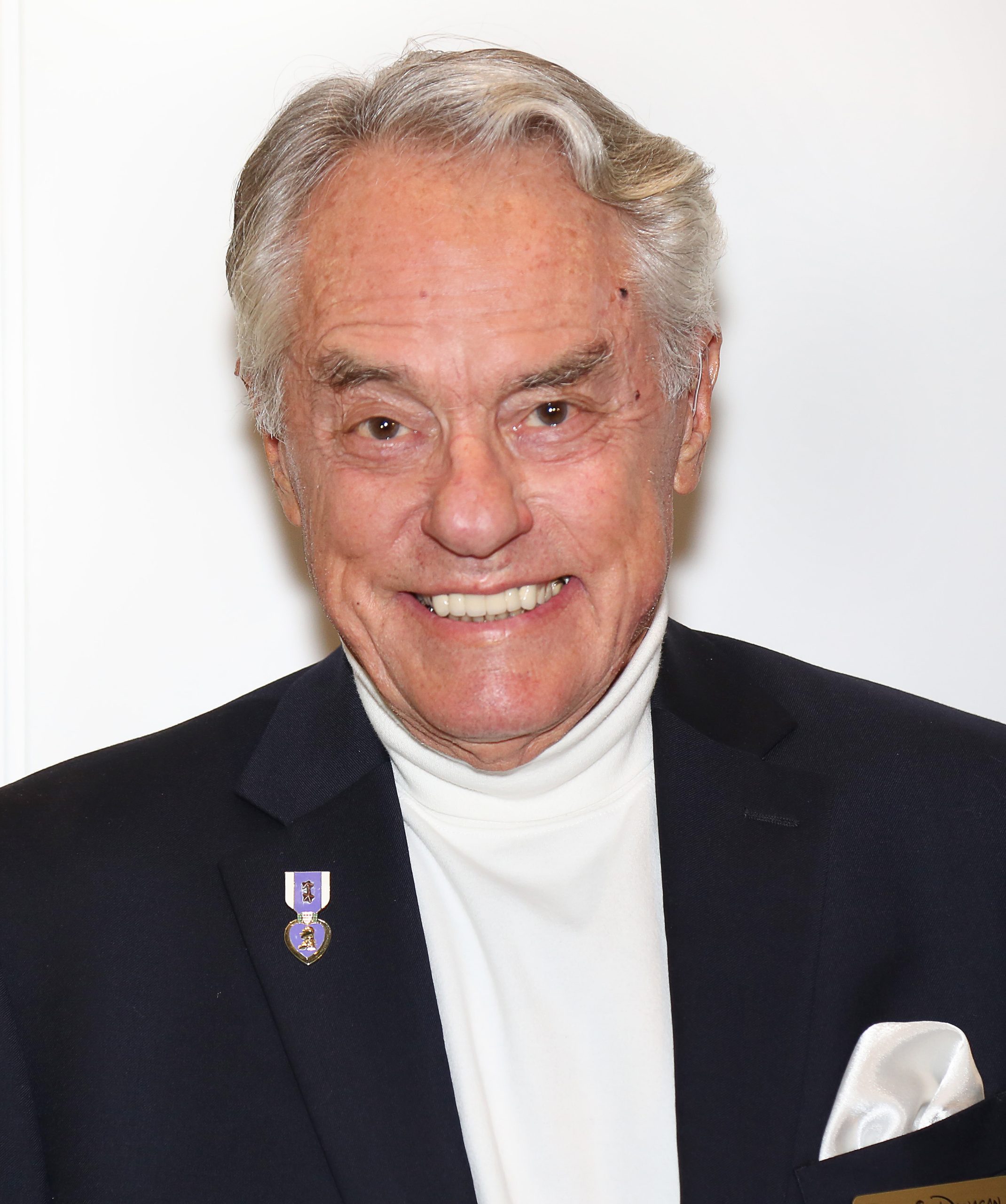
It was a reception he could scarcely have imagined when he was a Marine hoping his friends would never call him “Major Bambi.” By the time he was meeting families at screenings and festivals, he was happy to tell them about the coach who helped him find the right voice for the scene in the forest. The boy who once needed someone to show him how to make that moment sound real lived long enough to hear what it had meant to the people watching.