
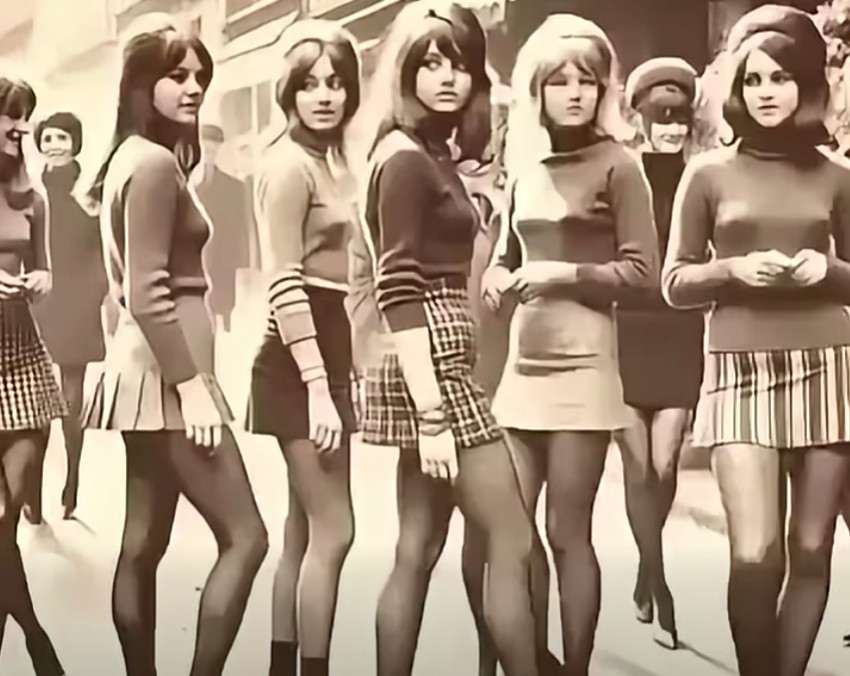
What a Second Look at a 1970s Photograph Can Reveal
The Most Interesting Detail May Be Near the Edge of the Frame
The first thing you notice in an old family photograph is often a face. You might recognize a relative, linger over a pair of oversized sunglasses or smile at a hairstyle you remember from childhood. Look again, and another detail may draw your attention. A shop window holds a reflection you missed, or a small object on a table looks out of place among the furniture and clothes.
Photographs from the 1970s reward that second look. A picture taken to remember a birthday, a vacation or an ordinary afternoon can also preserve the look of a room, the shape of a parked car or the things people carried with them. Decades later, something the photographer barely noticed can become the part everyone wants to discuss.
The puzzle often begins with a straightforward question about what is visible. A shape that seems unfamiliar could be a household item someone once used every day. A detail that appears to belong to another era may make sense when viewed alongside the signs, furnishings and other objects around it.
Everyday Scenes Preserve Details People Rarely Thought to Record
A street photograph might have been taken because someone wanted a picture of the people standing on the sidewalk. Behind them, the parked cars, shop signs and advertisements preserve details of the street as it looked that day. A family photograph does something similar indoors. A celebration may be the reason everyone gathered, while the furniture and household objects show what surrounded them in everyday life.
Those incidental details can carry different meanings across generations. Someone who grew up in the 1970s may recognize a piece of furniture before they notice the people standing beside it. A younger viewer may spend more time trying to work out what the object was used for. The same photograph can prompt a memory in one person and a question in another.
This is part of what gives an ordinary snapshot its value. People tend to photograph occasions they want to remember, while the camera also preserves things that seemed too familiar to mention. The objects along a wall or the cars at the curb can tell viewers as much about daily life as the clothes worn by the people in the center.
Clothing Can Suggest an Era, While the Setting Adds Context
Bell-bottom trousers, wide collars and platform shoes are among the styles people associate with the 1970s. Colorful shirts, oversized sunglasses and distinctive hairstyles can also give an old photograph a recognizable look. Smaller accessories may be worth a glance too, especially when the clothing itself is difficult to see.
Fashion gives a general sense of period because people keep wearing clothes after styles change, and older looks can return years later. A wide collar might be the first thing to suggest the 1970s. A vehicle, advertisement or piece of furniture elsewhere in the frame can help establish whether that impression fits the rest of the scene.
The same approach helps when an object seems too modern. A viewer may recognize its broad shape from something sold today while overlooking details that distinguish an earlier design. Its materials, visible parts and position in the room may offer clues. An old product catalog or advertisement can sometimes supply the missing reference, especially when the object has fallen out of everyday use.
Reflections and Shadows Can Change How a Scene Reads
A reflection can make an object appear to be inside a room when it is actually on the other side of the glass. In a street photograph, a shop window may hold reflections of cars or people behind the camera. If the edge of the window is hard to see, the reflected shape can appear to occupy the same space as the objects visible through the glass.
Shadows can be just as confusing. They can stretch across the ground or fall over unrelated objects, connecting parts of a scene that are separate in person. Looking for where a shadow begins and how it relates to nearby surfaces can help explain why the outline seemed strange at first.
These effects are easier to miss when a face, bright color or prominent object holds your attention. The eye keeps returning to the part of the photograph that seems to carry the story. Looking deliberately at the corners, windows and spaces between people gives subtler details a chance to register.
Six Ways to Take a Closer Look at an Old Photograph
Start with the entire frame. Notice whether the scene appears to be a family gathering, a street moment or an everyday scene at home. The setting gives small objects a useful context, especially when their shapes are difficult to read on their own.
Then check the background and the edges. Windows, walls, furniture and signs can hold details that escaped the first glance. See whether the feature that caught your attention continues into another part of the frame or sits partly behind something more prominent.
Next, study what people are wearing. Shoes, watches, sunglasses and hairstyles may be easier to distinguish than the cut of a jacket or the pattern on a shirt. Consider how those clues fit with the vehicles, furnishings or household objects you can see nearby.
Give the lighting its own look. A bright patch in a window may belong to a reflection, and a dark outline may be cast by something beyond the area you were studying. The angle of the camera can make those relationships difficult to read on the first pass.
Compare unfamiliar objects with period advertisements or catalogs when the visible details are clear enough to use. A match may come from something small, such as the contours of a design or the arrangement of its parts. Those features can help you recognize an older version of an object you know in a more recent form.
Finally, keep the explanation open while you look. A detail can seem strange because it is partly hidden, blurred by movement or unfamiliar to someone who grew up later. If several interpretations still fit, the rest of the photograph may offer enough context to narrow them down.
Film Preserved Surprises the Photographer Saw Only Later
Many families in the 1970s used film cameras to record holidays, birthdays and other moments they wanted to keep. A roll held a limited number of exposures, and people often had to wait for the film to be developed to see what they had captured. The finished photograph could bring a surprise even to the person who took it.
Someone might have moved just as the shutter clicked. A reflection might have been stronger than it appeared through the camera, or a background object might have landed directly behind a person’s shoulder. The photographer remembered the scene they meant to capture. The print also preserved whatever happened to be in the frame at that instant.
Years later, two people looking at the same photograph may remember entirely different things. One may recognize a piece of furniture and explain where it stood. Another may be the first to notice a reflection in the window. Sometimes that exchange is enough to explain the odd detail. Sometimes it brings back a story about the room, the street or the people that the photograph alone could never tell.