
Shilah Calvert-Yin Was Teased About Her Hair. At Seven, She Learned Why It Grew That Way
A Dentist Recognized the Signs of Uncombable Hair Syndrome
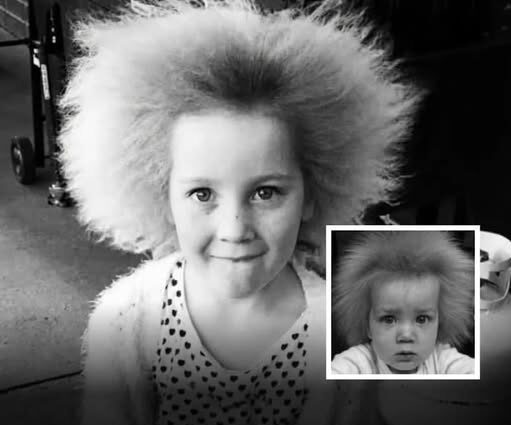
Shilah Madison Calvert-Yin had spent years hearing comments about her hair when a dentist recognized something familiar in the way it grew. She was seven when she was diagnosed with uncombable hair syndrome, a rare genetic condition. Her hair grew outward in fluffy spikes and was difficult to brush, style or straighten.
For Shilah, who grew up in Melbourne, Australia, the diagnosis gave her a name for something she had lived with since birth. It also gave her a way to explain why her hair looked different. With support from her mother, Celeste, she grew more comfortable with her appearance and eventually began sharing her story online.
At School, the Attention Could Be Hurtful
Shilah’s hair stood out among her classmates. It grew outward, forming a shape that stayed distinctive even when she tried to brush or style it. Children who were unfamiliar with the condition could see the difference without understanding why it was there.
Some classmates teased Shilah and called her names. Those comments made an ordinary part of school life harder. She had to get through the same school day as everyone else while fielding remarks about a feature she had little control over. Being singled out could make her feel self-conscious about something she saw every time she looked in the mirror.
For the classmates making the comments, her hair may have been something they noticed in passing. For Shilah, it was the same hair she woke up with and the same hair she would bring to school the next day. The experience of being teased was part of what she would later describe when she started telling people about the condition herself.
The Diagnosis Put a Name to a Familiar Experience
The appointment that helped explain Shilah’s hair was with a dentist. The dentist noticed the outward-growing strands and recognized signs of uncombable hair syndrome. The diagnosis followed when Shilah was seven, years after her hair had first made her stand out.
The name described a difficulty Shilah already knew well. Brushing and straightening were hard because of the way her hair grew. Learning the name of the condition gave her family words for that experience and made it easier to explain why familiar ways of styling hair could be difficult for her.
Before then, someone looking at Shilah might have seen fluffy or spiky hair and had little idea what it took to manage. The diagnosis connected the visible shape of her hair to what she experienced when she tried to style it. That connection would become part of what she shared publicly, giving people some context for a difference they could see right away.
Celeste Helped Shilah Grow More Comfortable With Her Hair
Shilah’s mother, Celeste, supported her as she dealt with the teasing. Her encouragement helped Shilah become more comfortable wearing her hair as it naturally grew. That took time. A name for the condition could explain the shape of her hair, while feeling at ease with it was something Shilah developed gradually.
The support at home mattered because much of the attention Shilah received elsewhere had been about how different she looked. Celeste helped her see her natural hair as part of her appearance that she could feel good about. In time, Shilah grew willing to draw attention to it herself, something that would have felt very different when classmates were the ones bringing it up.
That change gave her more say in how people learned about her hair. She could explain what the condition was, talk about the difficulty of brushing it and describe how teasing had felt. The conversation could begin with the same outward-growing hair that people had always noticed and continue with details only Shilah could provide.
Shilah Began Sharing What It Was Like to Live With the Condition
Shilah’s story first made headlines in December 2020. As interest in her appearance grew, she shared her experiences online to help people understand uncombable hair syndrome. Her account included both the practical difficulty of styling her hair and the personal experience of growing up with classmates who commented on it.
Seeing her hair was the first introduction to the condition for many people who came across her story. Hearing about the dentist and the diagnosis gave them a better sense of what they were seeing. The detail about her age also showed how long she had lived with the difference before she had a name for it.
Her experience at school gave the story another dimension. The comments she received were part of daily life for a child whose hair drew notice even when she was simply going about her day. When Shilah spoke about those experiences publicly, she could tell people how that attention felt from her side and why it mattered to her that others learn about the condition.
Wearing Her Hair Naturally Became Part of the Story She Wanted to Tell
The difference between Shilah’s early school experiences and her later public story was who got to do the talking. At school, other children could call attention to her hair whenever they chose. Online, she could decide what she wanted to share, including what she had learned since the diagnosis and how her mother had helped her feel more at ease.
Her decision to wear her hair naturally was visible to people who followed her story. The fluffy spikes still framed her face and kept the shape that had caught the dentist’s attention. For Shilah, becoming comfortable with that look was part of a longer experience that began with hurtful remarks and continued with the support she received at home.
That experience also gave her something to say to people unfamiliar with the condition. An unusual feature may be the first thing someone notices about another person. Shilah knew what it felt like when the conversation stopped there. By talking about her own life, she gave people a chance to understand the difference and learn how it felt to grow up with it.
At seven, a dentist gave Shilah a name for the way her hair grew. Celeste helped her feel comfortable wearing it as it was. When Shilah was ready to speak about it publicly, she could tell the story from the beginning and include the part her classmates had never seen. She had come to like the hair they once teased her about, and she wanted other people who looked different to feel that same freedom.