
From Bellshill to a Duet With Kenny Rogers: How Sheena Easton Found Her Range
By 1983, the Scottish Singer Had Broken Through With Pop Hits, Sung a Bond Theme and Crossed Into Country-Pop
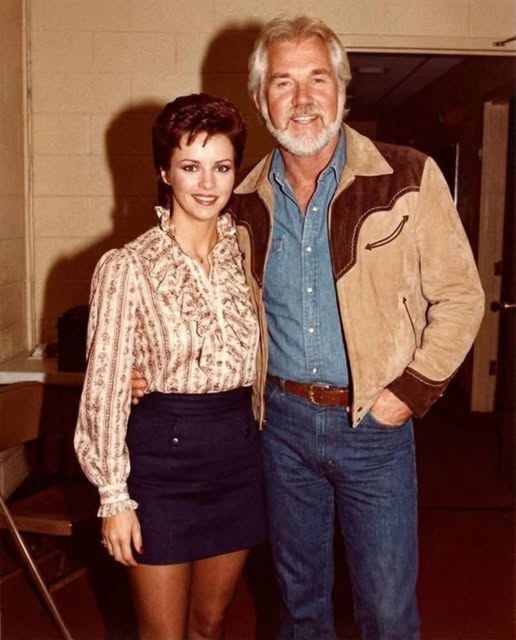
When Sheena Easton stood beside Kenny Rogers on March 10, 1983, she was already known for two pop hits and a James Bond theme. Their recording of “We’ve Got Tonight” gave listeners another way to hear her. The Scottish singer who had made her name with the bright rhythms of “Morning Train (Nine to Five)” now shared a ballad with one of country-pop’s most recognizable voices.
Only a few years earlier, viewers of the BBC documentary The Big Time had watched Easton pursue a recording career. Her route from Bellshill, Scotland, to an international audience took her through television, pop and film in quick succession. The duet with Rogers stands out because it asked something different of a singer whose earlier hits had already given listeners a clear idea of what to expect from her.
British Television Introduced Easton Before Her Records Became Hits
Easton’s story began in Bellshill. The Big Time brought her to a much larger audience while she was still trying to establish herself as a recording artist. Viewers met her at a point when she had a clear ambition and the outcome was still open. They could follow the attempt as it unfolded, then hear the records that came out of that period.
There is a particular kind of familiarity that comes from seeing a performer before a breakthrough. People who had watched Easton on television already knew what she was working toward when her singles began reaching listeners. For audiences who encountered her through a song first, the sequence happened in reverse. They heard the finished performance and could then look back to the period when she was trying to get a recording career started.
The television exposure gave Easton a public introduction. “Modern Girl” and “Morning Train (Nine to Five)” gave that audience two ways to hear her as a singer. Once those records traveled beyond Britain, people could become familiar with her voice without having followed her story on television at all.

Two Early Singles Gave Listeners Different Impressions
“Modern Girl” and “Morning Train (Nine to Five)” helped establish Easton internationally. Both have the directness of pop singles, but they give the singer different attitudes to inhabit. The title of “Modern Girl” puts the focus on a woman making her way through her own life. “Morning Train (Nine to Five)” builds its appeal around the familiar rhythm of a working day and the anticipation of being together again.
“Morning Train (Nine to Five)” moves with a brightness that suits its subject. The recurring idea is easy to follow, and Easton’s delivery keeps the anticipation alive as the song returns to it. What could be a plain account of someone leaving for work and coming home becomes an occasion for the singer to show how much that routine means to the person waiting.
Having two recognizable hits early in a career also gives listeners more than one point of entry. Someone who came to Easton through “Modern Girl” might have carried a different impression into “Morning Train (Nine to Five)” from someone who heard those songs in the opposite order. Together, they gave her a pop identity broad enough to accommodate another change when a Bond film brought her voice to movie audiences.
For Your Eyes Only Put Her Voice and Face in the Opening Titles
Easton sang “For Your Eyes Only” for the James Bond film of the same name. She also appeared during the opening titles, giving moviegoers a chance to see the person performing the theme. Listeners who knew her from the two pop singles could now encounter her work in a setting where the song had to establish a mood for a story about to begin.
A film theme reaches audiences under different circumstances from a record heard on its own. The music arrives as people are settling into the world of the film. The voice, images and titles have to hold their attention together. Easton’s presence on screen made her visibly part of that introduction and gave the audience a face to associate with the voice from the start.
The Bond theme also put a more sustained vocal performance before people accustomed to the pace of her early hits. There was time for a line to hang in the air and for the singer to carry the mood through a phrase. That aspect of her singing would have a different use in “We’ve Got Tonight,” where she had another voice to respond to and a more intimate story to tell.

We’ve Got Tonight Made Room for a Quieter Performance
With Kenny Rogers, Easton entered country-pop territory. “We’ve Got Tonight” gave the two singers room to share the emotional work of the song. A line from one voice could sound tentative, and the way the other singer answered could make the feeling behind it clearer. The performance depended on the exchange between them.
That exchange gave Easton room to show tenderness. In a duet, timing includes deciding how much space to leave after the other person sings. A line can feel more personal when it seems to come in response to something just heard. Easton’s part in the recording helped give the ballad that sense of two people finding their way through the same conversation.
The March 10, 1983 appearance with Rogers came at a revealing point in her career. Easton had already shown she could carry a pop single and deliver a theme for a major film. In the duet, she could make an impression by listening as well as singing. The softness of her delivery was part of what made the pairing work.
Her Early Recordings Still Offer Different Ways to Discover Her
Easton went on to earn two Grammy Awards. The path from Bellshill to that recognition can be traced through work that reached people in different ways. Some first saw her as an aspiring singer on the BBC. Others found her through a pop record, heard her as a Bond film began or recognized her voice alongside Rogers.
The order still matters to how someone hears her. Start with “Morning Train (Nine to Five),” and the restraint of “We’ve Got Tonight” may come as a surprise. Start with the duet, and the buoyancy of the early singles can reveal a side of Easton that the ballad barely calls on. “For Your Eyes Only” offers another point of entry, with the sweep of a film theme and the singer visible in the opening titles.
By the time Easton recorded with Rogers, she had already given listeners several reasons to remember her. The duet added one they could hear most clearly whenever the singing passed from one voice to the other. The performer who had once let television audiences watch her try to make a record could now hold their attention with the quiet way she answered another singer.