
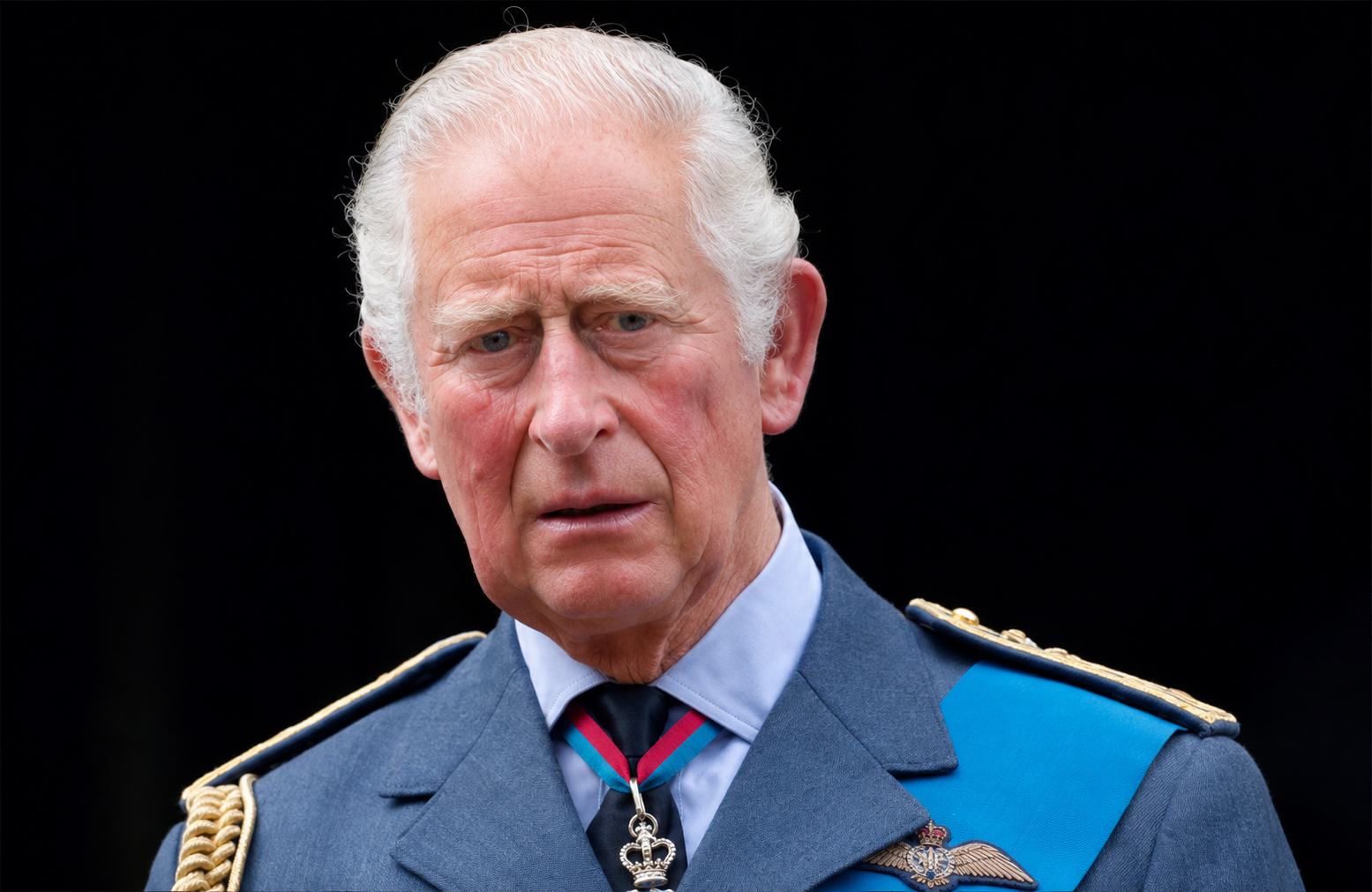
King Charles Health Rumors Resurface as Operation Menai Bridge Draws Attention
Claims About Funeral Planning Have Fueled Speculation About the King’s Condition
Claims from unnamed sources about King Charles III’s health have drawn renewed attention to Operation Menai Bridge, the reported codename for planning his eventual funeral. The accounts allege that the king’s condition is more serious than publicly acknowledged and that palace staff have reviewed ceremonial arrangements. The palace has denied speculation about grave illness.
The rumors bring together three subjects that invite different questions. The first is what the palace has said about the king’s health. The second is what officials may have prepared for an eventual state funeral. The third is how Prince William’s public responsibilities are changing. Each can attract attention on its own, and none supplies a reliable answer about how Charles is doing in private.
What the Reports Say About Charles’s Health
Unnamed sources have described Charles as “still very sick,” with some alleging that his condition has deteriorated more quickly than the public has been told. A former court official quoted in a tabloid expressed concern that the seriousness of his illness had been understated. These are attributed claims about the king’s health, and the accounts provide no medical records or named clinician’s assessment to substantiate them.
The palace’s public position describes Charles as stable and receiving care. That is the position the palace has chosen to communicate. The unnamed accounts offer a different description, with little detail that would let readers assess when the observations were made or what the sources knew firsthand.
Changes to a public schedule can draw close scrutiny when a monarch’s health is already a subject of interest. A postponed appearance tells the public that an engagement changed. The reason for that change requires a separate explanation. Without one, a gap in the diary leaves plenty of room for people to supply an account of their own.
Operation Menai Bridge Refers to Reported Funeral Arrangements
The name Operation Menai Bridge appears in reports about preparations for Charles’s eventual funeral. Those accounts describe a plan that could encompass the procession, transport, security, guest arrangements and the military personnel involved in the ceremony. Some also claim that staff have rehearsed parts of the proceedings and considered alternate routes or venues.
A ceremony involving several locations and groups of people would require decisions about timing, access and who is responsible at each stage. Alternate arrangements would give organizers a way to respond if one location or route became unavailable. Those are the kinds of logistical questions the reported plan is said to address.
Specific claims about private rehearsals and backup plans remain unconfirmed. The reports also provide little basis for judging when any preparations began, whether they have recently changed or what might have prompted a review. A reported planning activity gives readers information about what staff may be preparing for. It supplies no medical timeline.
Reports Describe Personal Wishes About Music and Readings
Some accounts say Charles has discussed hymns, readings and the order in which parts of the ceremony would take place. They also suggest he has expressed preferences about which relatives might speak and how the procession would unfold. Other claims concern which moments might be broadcast and how much ceremonial display he would want.
Those details have attracted interest because they concern choices a person might make about how they wish to be remembered. Music can give a ceremony a personal connection to the life it commemorates. A reading can carry meaning for the family as well as for the person who chose it. Such preferences would be a different part of planning from schedules, security or transport.
The reports give little grounds for assigning Charles a motive. A preference about a hymn would reveal something specific about the ceremony he wanted, if the account were confirmed. More sweeping claims about his efforts to control his legacy go beyond what that detail could establish. The balance between personal wishes and public ceremony would become clear through arrangements announced officially.
Prince William’s Public Role Has Become Part of the Discussion
Attention has also turned to Prince William as he takes on more visible royal duties. Some observers read his public engagements as a sign that the household is preparing him for greater responsibilities. Others have used the term informal regency to describe how they interpret his role. The accounts give no indication of a formal transfer of authority.
William’s appearances are observable. The reasons individual engagements are assigned to him are less clear from the outside. An heir can represent the Crown at ceremonies and support institutions associated with it while the monarch continues to carry out his own responsibilities. To establish a change in authority would require information about what duties had transferred and under what arrangements.
Claims about how William and Charles privately feel about the division of duties are harder to assess. Unnamed sources portray William as cautious about overstepping and Charles as determined to remain active. Those descriptions concern private judgments that neither the timing of an engagement nor the frequency of public appearances can establish on its own.
Queen Elizabeth II’s Funeral Shapes Expectations About What Comes Next
The ceremonies following Queen Elizabeth II’s death gave the public a recent example of the scale of a monarch’s funeral. People remember the procession, the involvement of military personnel and the attention paid to the order of events. Those memories help explain why reports about a codename, a route or a rehearsal can quickly attract attention.
They also give people a reference point when they hear claims that Charles has expressed personal preferences. A future ceremony would have its own choices about music, readings and the people taking part. The public can recognize the scale of what such an occasion might involve while awaiting confirmation of its particulars.
What Remains Uncertain About the King’s Condition
The available accounts leave important questions open. They do not establish how Charles’s health has changed, which ceremonial preferences he has expressed or whether any reported planning has recently intensified. The palace has rejected speculation about grave illness, while unnamed sources have offered a more serious account without information that would allow readers to verify it.
Future statements about the king’s health, official announcements about his duties and any confirmed ceremonial arrangements would answer different questions as they arise. For now, Operation Menai Bridge is a reported name for funeral planning. William’s engagements show the work he is carrying out in public. Charles’s medical outlook remains a matter on which the rumors provide no reliable conclusion.