
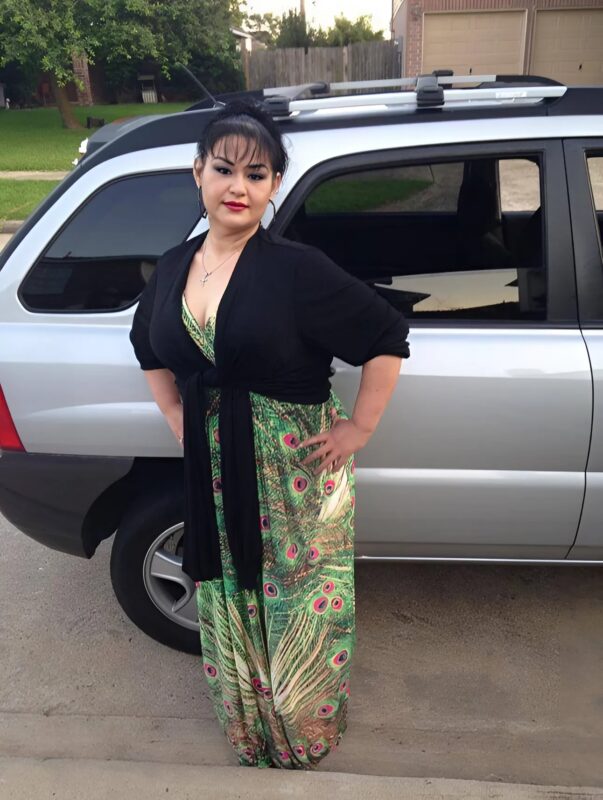
Mayra Rosales Once Struggled to Leave Her Bed. Here’s How She Regained Her Independence
Medical Care, Surgery, and Changes to Her Daily Habits Helped Her Become More Mobile
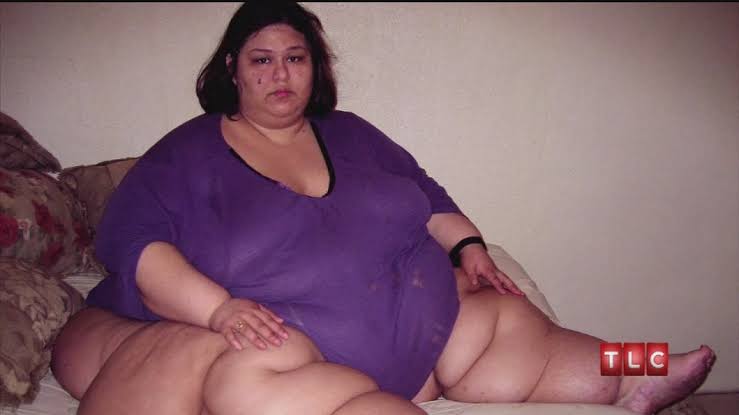
At one point, Mayra Lisbeth Rosales weighed an estimated 500 kilograms, or about 1,100 pounds. She was largely confined to bed and depended on other people for help with everyday activities. As she underwent treatment and gradually regained mobility, she began taking part in activities that had previously been beyond her reach.
Rosales, who is originally from Mexico, became internationally known as one of the heaviest women in the world. She later spoke openly about her eating habits and the difficulties she faced. The changes that followed took time and involved medical treatment, weight-loss surgery, additional procedures, and changes to how she lived day to day.
Daily Life Had Become Increasingly Difficult
For Rosales, the effects of limited mobility were apparent in the ordinary decisions that shape a day. Getting out of bed was difficult, and simple activities could require another person’s help. How much she could do depended in part on the assistance available to her.
That dependence affected more than individual tasks. When moving around is difficult, there is less freedom to decide when to do something, where to go, or how to spend the day. Those limitations are part of what made regaining mobility so significant in Rosales’s case. Each activity she could take up again gave her back some control over her own time.
Rosales later acknowledged that her eating habits had become unhealthy and that she was worried about what could happen if her circumstances continued. She decided to pursue treatment. The problems she described had developed over years, and addressing them would involve a series of changes over an extended period.
Her Treatment Included Weight-Loss Surgery and Follow-Up Procedures
Rosales’s treatment involved several stages. She underwent weight-loss surgery and changed aspects of her daily routine as her weight decreased. She later had additional operations to remove excess skin, a separate part of the process that continued after substantial weight loss.
Each stage brought a different task. Medical care and surgery formed part of her treatment. The changes she was making in daily life continued between procedures, as she adjusted to being able to move more and take part in activities again. The follow-up operations addressed a physical change that remained after she had lost a considerable amount of weight.
Accounts of her weight loss put her later weight at about 92 kilograms. That figure, like the estimate of 500 kilograms at her heaviest, describes a particular point in a longer process. The changes between those points unfolded gradually, including the return of mobility that made a greater range of everyday activities possible.
Regaining Mobility Changed the Way She Could Spend Her Days
As Rosales became more mobile, activities that had once been impossible began to fit into her life again. She could move around with greater freedom and became less dependent on other people. These developments affected what she could do from one day to the next, giving her more choice in how she spent her time.
Those choices help explain the significance of a change often described through two numbers. An estimate of what Rosales weighed before treatment gives readers a sense of the scale of her weight loss. Her account of being largely confined to bed gives the numbers practical meaning. Greater mobility gave her room to participate in daily life in ways she previously could not.
Her story attracted attention internationally, including from people facing health challenges of their own. The most concrete part of her experience was the connection between treatment and the activities she gradually regained. She had once needed help with basic parts of her routine. Being able to do more for herself changed how she could organize her days.
Her Personal Life Also Changed
Rosales went through changes in her personal life during this broader period, including the end of her marriage. At the same time, she was adjusting to a more independent way of living. Each was a substantial change, with its own consequences for what her daily life would look like.
For years, physical limitations had shaped how she planned even simple activities. As she recovered mobility, she gained more freedom to choose what she would do and when she would do it. That freedom mattered as she moved into a chapter that also brought changes to her relationships and the way she lived.
What the Weight Estimates Tell Us About Her Progress
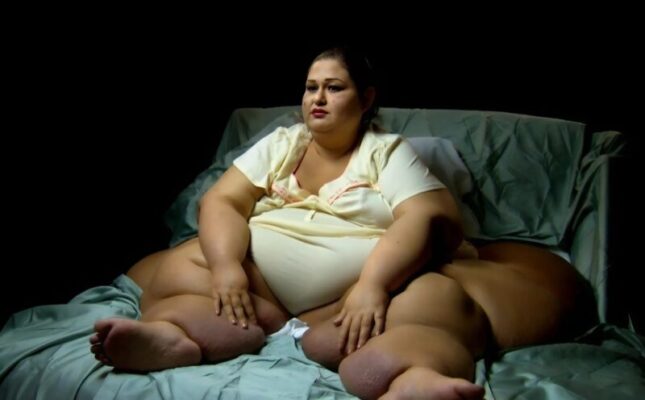
The difference between approximately 500 kilograms and a reported 92 kilograms explains some of the attention Rosales received. It also spans a long stretch of her life that included surgery, later procedures, and changes in her habits. Comparing the two estimates helps convey the size of the change, while the course of treatment explains why it took time.
Rosales’s experience can also be understood through the activities at either end of that period. Earlier, she spent much of her time in bed and needed assistance with ordinary tasks. Later, she could move more freely and take part in activities that had been out of reach. Those practical differences show what greater independence meant for her.
The attention surrounding her weight brought her story to an international audience. What Rosales regained was more immediate. As her mobility improved, she had more say over how she spent an ordinary day and could do more of the things she had once depended on others to help her do.