
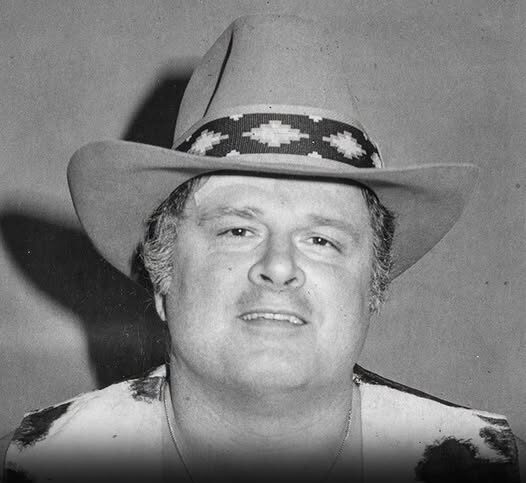
“Cowboy” Bill Watts Dies at 87, Leaving a Legacy That Reached From the Ring to Wrestling Television
The WWE Hall of Famer Helped Build Mid-South Wrestling and Develop Performers Who Became Major Stars
“Cowboy” Bill Watts, the wrestler and promoter whose work at Mid-South Wrestling helped shape the careers of several future stars, has died at 87. His death was announced Tuesday by WWE chief content officer Triple H. Wrestling journalist Bill Apter also shared a message he received from Watts’s son, Erik, confirming the news.
Watts began wrestling in 1962 and competed in the United States and Japan. His greatest influence eventually came through the decisions he made behind the scenes, including the performers he featured, the characters he developed, and the way he presented their stories on television. WWE recognized those contributions with his induction into its Hall of Fame in 2009.
Triple H Remembered the Distinct Characters of Mid-South Wrestling
In his tribute, Triple H recalled both parts of Watts’s career. Fans had known him as a wrestler, but his work running promotions gave him the opportunity to influence how other performers reached an audience. Mid-South became the most enduring example of that work.
“Just learned of the passing of “Cowboy” Bill Watts. Bill performed across the United States and Japan, but is remembered for his contributions behind the scenes in various NWA promotions and eventually WCW,” Triple H wrote.
“His Mid-South Wrestling featured future WWE Hall of Famers every week, each character having a distinct voice and style… and for those contributions, he was made a member of the WWE Hall of Fame class of 2009. We send our condolences to his loved ones.”
The emphasis on distinct characters reflected an important part of Watts’s approach. A regular television audience had the opportunity to become familiar with individual wrestlers and their personalities. Each appearance could build on what viewers had already seen, giving them another reason to return the following week.
His Son’s Message Reached a Longtime Wrestling Journalist
Apter shared a more personal confirmation of Watts’s death. He said Erik Watts had sent him a text telling him that his father had died and expressing the affection Bill had held for him.
“Dear Bill, my father, Cowboy Bill Watts, passed away today,” Apter said the message read. “I wanted to let you know he loved you and had a very special place in his heart. Love you, my friend.”
The message recalled a relationship formed within a business Watts had worked in for decades. While the public tributes focused on championships, promotions, and television, Erik’s words gave Apter a memory of the person he had known through that long career.
Watts Pursued Football Before Entering Wrestling
Born William F. Watts Jr. on May 9, 1939, in Oklahoma, Watts initially pursued a career in football. He played at the University of Oklahoma and briefly joined the Houston Oilers before moving into professional wrestling.
He began his wrestling career in 1962. His tough personality helped make him a recognizable presence, and rivalries gave audiences reasons to follow him from one match to the next. He went on to wrestle across the United States and in Japan, gaining experience in front of different audiences.
That background would become relevant when he moved into promoting and booking. He had already spent years working as the person in the ring, responsible for making a match matter to spectators. Behind the scenes, he could apply that experience to the presentation of an entire roster and the relationships between its characters.
Championships Were Part of His Own In-Ring Career
Before many fans came to know Watts chiefly through his work as a promoter, he had accumulated a substantial wrestling record of his own. His championships included the WWWF Tag Team Championship, which he held alongside Gorilla Monsoon.
He also won the Mid-South North American Heavyweight Championship and the AWA United States Championship, among other titles. Those achievements formed part of the career that preceded and overlapped with his work directing the fortunes of other wrestlers.
The tag team success with Monsoon gave Watts a place in the championship history of the WWWF. His other titles reflected the broader range of promotions in which he competed. By the time he took charge of Mid-South, he brought years of experience performing within the wrestling business.
Mid-South Became the Center of His Influence
Watts took charge of Mid-South Wrestling in 1979. The promotion became closely associated with his ability to develop performers and give audiences a reason to care about them. Ted DiBiase, Junkyard Dog, Sting, and Jim Duggan were among the wrestlers whose careers he helped advance.
Developing those performers involved more than putting recognizable names on a card. Their characters needed qualities an audience could identify and remember. Triple H’s tribute highlighted the different voices and styles seen on Mid-South, where regular appearances gave wrestlers time to establish those identities.
That continuity made television especially valuable. A rivalry could develop over successive appearances, and viewers could follow how a character responded to the previous week’s events. The audience’s familiarity became part of what a promotion could draw on when presenting the next match.
Watts’s work at Mid-South connected his experience as a wrestler with his judgment as a promoter. He understood the importance of a compelling opponent and a recognizable personality. Running the promotion gave him responsibility for creating those opportunities across a group of performers.
Regular Television Helped Audiences Follow the Wrestlers
WWE’s tribute emphasized Watts’s contribution to presenting wrestling as recurring television. Regular broadcasts gave viewers a continuing relationship with performers who might otherwise have appeared less predictably. A wrestler could become familiar through repeated encounters, with each appearance adding to the audience’s understanding of the character.
The value of that approach was visible in how fans came to know the people on the roster. They could remember an earlier confrontation, recognize an individual’s style, and anticipate what might happen when two wrestlers met again. A weekly program gave those connections time to develop.
For performers, recurring television offered a setting in which their identities could grow more recognizable. Watts’s influence lay partly in understanding how to use that setting, presenting wrestlers as people audiences would want to keep following.
Later Executive Roles and Hall of Fame Recognition
Watts later worked as an executive for World Championship Wrestling and the World Wrestling Federation. Those positions extended his career behind the scenes beyond Mid-South and kept him involved in decisions that shaped professional wrestling.
His induction into the WWE Hall of Fame in 2009 recognized the combined weight of that work and his career in the ring. He had held championships himself, helped establish future stars, and contributed to the way wrestling reached viewers through television.
For some fans, the name “Cowboy” Bill Watts recalls a tough competitor and the rivalries they watched him contest. For others, it brings back Mid-South and the wrestlers they came to know through its broadcasts. Both memories belong to a career in which Watts spent years learning what held an audience’s attention, then giving other performers the chance to earn it.