
Sean Connery’s Legacy Lives Beyond Bond, Six Years After His Death
An Imagined Manhattan Scene Invites a Look Back at the Performances That Made Him Unmistakable
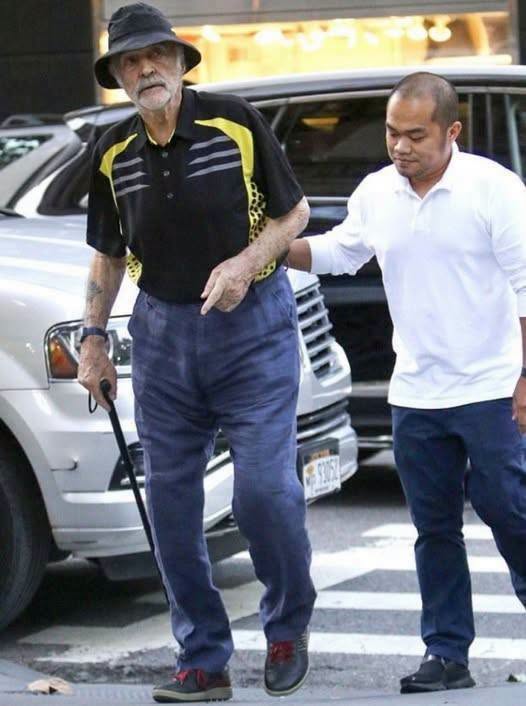
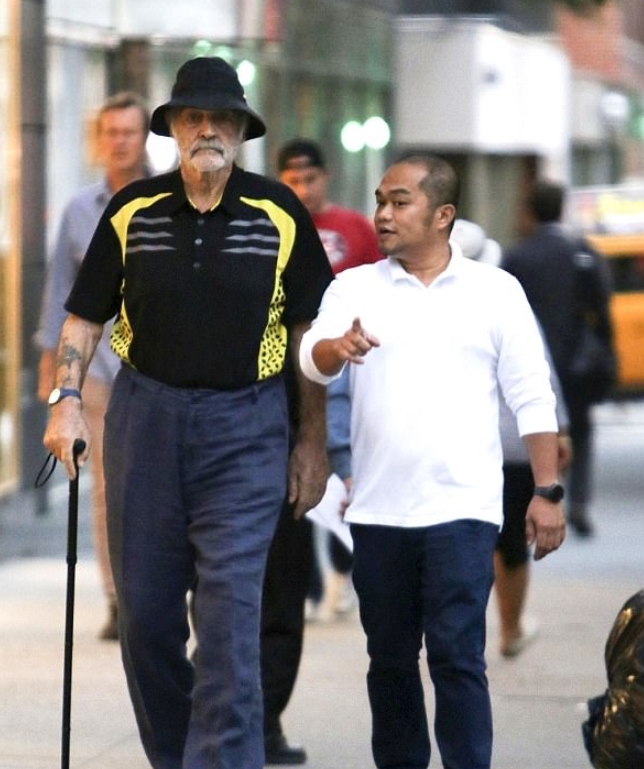
A fictional portrait placing Sean Connery in Manhattan in 2026 brings a familiar face into a setting he never lived to see. Connery died in 2020. The imagined scene offers a tribute to the actor whose voice, manner, and screen presence remain familiar to audiences through his films.
For many viewers, that familiarity begins with James Bond. Connery first played the secret agent in 1962’s Dr. No and returned to the role across seven films. His later work, including his Oscar-winning supporting performance in The Untouchables, gave audiences other characters to remember with equal affection.
Dr. No Introduced a Defining Version of James Bond
In Dr. No, Connery established a combination that became central to Bond’s appeal. He could make the character appear comfortable in an elegant setting while suggesting that he was alert to danger. His dry humor added another layer, allowing a brief remark to change the mood of a scene.
Those qualities worked together. The elegance made Bond seem at ease, the danger gave that ease an edge, and the humor made his confidence entertaining to watch. Connery’s performance gave audiences a character who could hold attention through conversation as well as action.
Playing Bond across seven films also gave Connery time to make the role closely associated with his own presence. Viewers became familiar with how he delivered a line, paused before answering, or carried himself through a tense exchange. The character’s identity developed through those repeated details.
Actors who followed him inherited a role with expectations already attached to it. Each could interpret Bond differently, but Connery’s version remained a point of comparison. His performance helped establish the qualities audiences would recognize even as later portrayals explored other sides of the character.
The Challenge of Being So Closely Associated With One Role
A defining performance can make an actor recognizable almost immediately. Connery’s Bond did that for him. The same recognition followed him into other films, where audiences arrived with memories of the secret agent before a new character had even spoken.
His voice was particularly distinctive. A listener could recognize it before learning much about the person he was playing. That familiarity created an interesting task for each performance: giving the audience enough specific detail to understand the new character while carrying a sound they already associated with Connery.
His work beyond Bond showed how useful that recognizable presence could become. A familiar actor can draw an audience into a scene quickly. What holds attention after that depends on the character’s concerns, relationships, and choices. Connery could bring those differences forward while retaining the qualities that made people want to watch him.
That is part of why his career remains interesting to revisit. Audiences can move between films knowing who they are about to see and still find a different personality in the performance. The recognizable voice becomes one element of a character shaped by the story around it.
The Untouchables Gave His Authority a Different Shape
Connery’s supporting performance in The Untouchables earned him an Academy Award. As a veteran policeman, he brought a weathered conviction to the screen. His authority came through experience and an understanding of the difficult circumstances surrounding him.
Bond had made composure look effortless. In The Untouchables, Connery used his presence to suggest a man whose judgment had developed over time. The character’s certainty carried the weight of experience, giving familiar qualities in the actor’s delivery a different purpose.
The performance also demonstrated how much could be achieved in a supporting role. A character can make a lasting impression through the effect he has on the people around him. Connery’s ability to command attention made his contribution feel substantial within the larger story.
For viewers who knew him chiefly as Bond, the role offered another way to appreciate his work. They could hear the same distinctive voice and watch it express a different set of convictions. The Oscar recognized a performance with its own identity within a career already associated with a famous character.
Why an Imagined Appearance Can Feel So Familiar
The idea of Connery walking through Manhattan in 2026 draws on the way audiences remember actors. Films preserve a person’s appearance and voice at particular moments. Viewers can return to those moments repeatedly, sometimes seeing a performance years after it was first made.
That repeated contact can make an actor feel familiar across different stages of a viewer’s own life. Someone may remember first encountering Connery as Bond, then discovering The Untouchables later. Watching either film again can bring back memories of the circumstances in which they originally saw it.
An imagined contemporary setting borrows from that familiarity. It places a recognizable presence into a scene that feels close to the present. Understanding the scene as fiction keeps the dates clear while allowing room for the affection behind the tribute.
Connery’s death in 2020 remains part of the history surrounding his work. Looking back in 2026 means viewing his performances with an awareness of the years that have passed. The imagined Manhattan portrait reflects how readily audiences can still picture him, drawing on a screen identity built over many performances.
The Films Give Viewers Something Concrete to Return To
Tributes often begin with broad descriptions of an actor’s charisma or influence. The performances give those descriptions substance. In Dr. No, viewers can watch how Connery balances danger with dry humor. In The Untouchables, they can see how his delivery conveys experience and conviction.
Returning to the films also allows familiar scenes to reveal different details. A viewer who once concentrated on the action may later notice the timing of a response or the way Connery listens before speaking. Those details remain available whenever the performance is revisited.
His seven Bond films established a version of a character that later actors would interpret for themselves. His Oscar-winning role in The Untouchables showed how his presence could serve another story. Together, those performances offer a clear reason audiences continue to remember him.
The imagined Manhattan scene begins with the wish to see Connery again. His films provide the lasting encounter: a voice, a look, a pause, and a character coming into focus as the scene unfolds.