
Kirk Cameron’s Journey From Teen Stardom to a Life Centered on Faith and Family
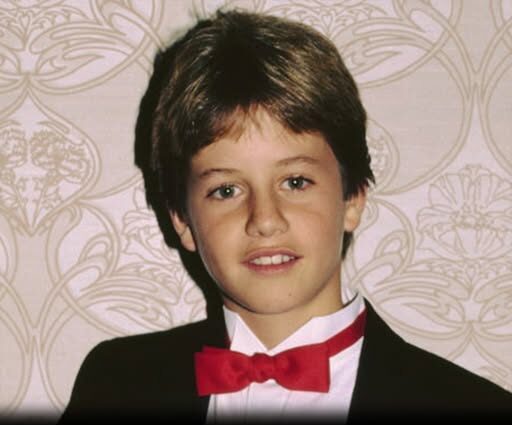
Kirk Cameron became a recognizable young television star through his role as Mike Seaver on Growing Pains. During the 1980s, his popularity extended beyond the screen, with appearances on teen magazine covers helping establish his public image.
That success did not reflect the future he had originally imagined. Before acting became his profession, Cameron wanted to become a doctor, with the ambition of eventually working as a surgeon.
His career developed through opportunities he had not initially sought. Later, his growing Christian faith changed how he viewed those opportunities and what he wanted from his life.
Marriage, raising six children, supporting adoption, and moving to Tennessee became important parts of that story. Although he stepped away from the Hollywood lifestyle he had known as a teenager, he continued acting through projects connected to his interests and beliefs.
An Acting Career He Had Not Planned
Cameron’s introduction to entertainment began through a suggestion made to his mother. The mother of Adam Rich, the child actor known for Eight Is Enough, encouraged her to take her son to agents and explore commercial work.
His mother initially approached the idea reluctantly, but opportunities followed. Among Cameron’s early jobs was a McDonald’s commercial, and small acting roles gradually became a continuing part of his childhood.
Acting also became a profession for his sister, Candace Cameron Bure. She began working as a child and became particularly well known for her role in Full House.
For Cameron, however, the routine surrounding auditions was not especially appealing. Preparing for appointments and traveling through traffic felt far removed from his original interest in medicine.
“I was always annoyed having to brush my hair and tuck my shirt in to go drive an hour in traffic to audition,” he recalled.

Despite that lack of enthusiasm, he continued receiving opportunities. His eventual casting as Mike Seaver on Growing Pains brought a level of recognition that made acting much more than an occasional childhood activity.
Public success and private uncertainty developed alongside one another. While audiences saw a rising young performer, Cameron was considering whether the world surrounding that success was where he wanted to remain.
A Church Invitation Changes His Direction
Religion had not been a central part of Cameron’s childhood. “When I was growing up, we didn’t go to church.”
He described his teenage outlook in similarly direct terms. “If you had asked me, I would have said I would be in the category of an atheist at 16 years old, 17 years old,” he explained.
Reflecting on how that perspective developed, he connected it to ideas he encountered while growing up. “I think I caught my atheism—it was by contagion,” he said, describing an environment in which religion was treated as “just a fairy tale.”
A personal invitation introduced him to a different experience. A girl he liked asked him to attend church with her and her family, and he accepted for reasons that initially had little to do with religious curiosity.
“I’ll be honest. It wasn’t because I was interested in God. I was interested in the girl,” he admitted.
The visit nevertheless became a turning point. His interest in faith grew, eventually influencing how he understood his responsibilities, his career, and the choices available to him.
By 17, those changes were becoming visible in his professional life. His developing beliefs began shaping his approach to Growing Pains, bringing his personal transformation into a workplace accustomed to knowing him in a different way.
New Convictions Create Tension at Work
Cameron’s religious commitment prompted concern among people involved with the show. Producers worried about how his changing priorities might influence his participation and, in turn, the program’s future.
He later described the uncertainty he remembered around him. “Is he getting into something that’s really gonna take him into Looney Town? And if it is, we need to stop that,” he recalled.
From Cameron’s perspective, his decisions reflected an effort to live consistently with his beliefs. “I was trying to take the moral high road. I wanted to please God genuinely, and I think sometimes that got misunderstood,” he said.
The experience exposed a growing distance between his public success and his private priorities. The career that had made him famous no longer supplied a complete answer to what he wanted his life to mean.
His later criticism of Hollywood was forceful. “The evil, the darkness, the twisted sickness of Hollywood has been going on for a long time.”
His reflections also encompassed the abuse of young performers and the conduct of Brian Peck, who had worked as his dialogue coach. Those concerns formed part of his broader dissatisfaction with the entertainment environment.
Cameron came to regard power, pride, and ego as dangerous foundations for a life. Explaining his religious response to those priorities, he said, “When that becomes your God, rather than the God who laid down His life on a cross 2,000 years ago, you’re in for a world of hurt,”
Marriage and Adoption Become Central to Family Life
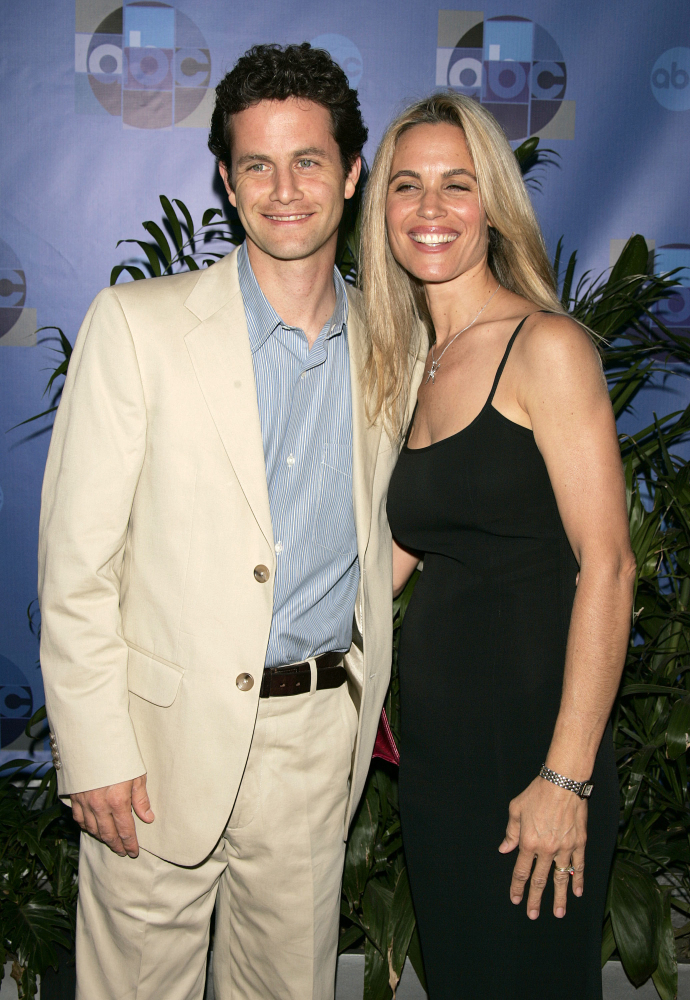
Cameron was 20 when he married Chelsea Noble, his Growing Pains costar. Their marriage marked an important stage in his move toward a life increasingly organized around family and faith.
The couple raised six children, four of whom were adopted. Adoption held a personal significance for Noble as well, because she had been adopted herself.
They made a point of ensuring that their adopted children understood their origins. As the children became old enough to understand their backgrounds, Cameron and Noble helped them reconnect with their biological families.
That approach placed openness alongside their commitment to raising the children. Their family story included both the relationships they built together and an acknowledgment of the children’s beginnings.
Adoption also became a subject Cameron explored professionally. His family experience gave that work a direct connection to his personal life rather than making it simply another acting assignment.
Although his relationship with mainstream Hollywood had changed, he did not leave performance behind entirely. Instead, his later work included projects that reflected the themes he considered meaningful.
Leaving California for Tennessee
In 2021, Cameron publicly discussed the possibility of relocating from California. Having been raised in Southern California, he was considering a substantial change in the setting of his family’s life.
“I asked on social media what states people recommend for a Californian looking to relocate, and the top responses were Tennessee, Florida, and Texas,” he wrote.
His reasons included concerns about safety in California and a desire for what he described as more “wholesome values.” These were his personal assessments of the environment he wanted for the next stage of his life.
Tennessee ultimately offered an important family connection: three of his children lived there. Moving gave him an opportunity to be closer to them while establishing a different daily routine.
He appreciated the slower pace of life and what he called a “healthy freedom mindset.” He also viewed Tennessee as a “hub for Christian projects,” connecting the relocation with his continuing professional interests.
The move therefore brought several priorities together. Proximity to his children, his religious commitments, and his preferences about everyday life all contributed to the appeal of his new surroundings.
Continuing Creative Work and Welcoming a Granddaughter
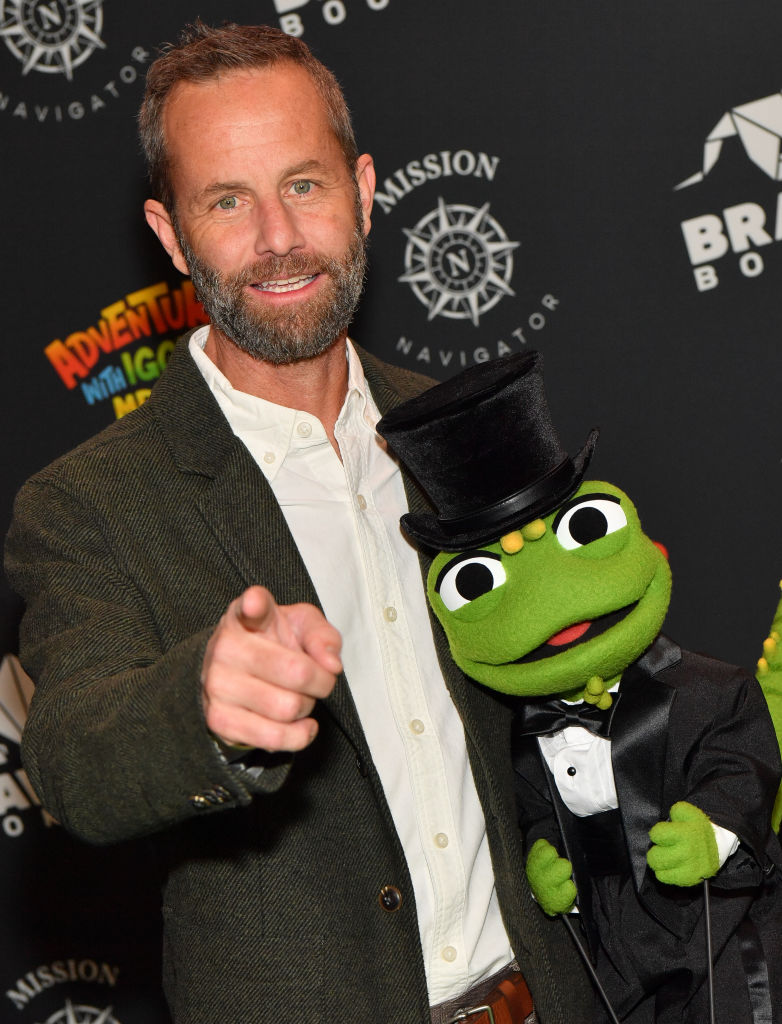
Cameron’s later acting work included Lifemark, released in 2022. The film explored life and adoption, subjects closely connected to his family’s experience.
With four adopted children and a wife who was herself adopted, Cameron approached the project with a personal investment in its themes. It demonstrated how acting could remain part of his life while serving interests different from those associated with his teenage fame.
Another family milestone arrived in summer 2024, when he became a grandfather. He shared the arrival of his granddaughter, Maya Jeanne Noble Bower, with an openly affectionate message.
“Our hearts are filled to overflowing,” he wrote. “Our beautiful baby girl just had a beautiful baby girl, and we can hardly wait to spend every minute with her and shower her with love.”
Being close to family gave his Tennessee move an additional significance during that period. The priorities that had influenced his earlier decisions now extended into a new generation.
Cameron’s path did not end with the recognition he earned as Mike Seaver. It continued through changing beliefs, marriage, parenthood, relocation, and creative work shaped by personal conviction.
His story reflects a distinction between leaving a particular lifestyle and abandoning a profession altogether. Acting remained part of his life, while faith and family increasingly determined the direction he chose.