
The Hidden Letter That Revealed a Private Side of the White House
A Story That Emerged Decades Later
Some stories are not meant to be seen—at least not in their time.
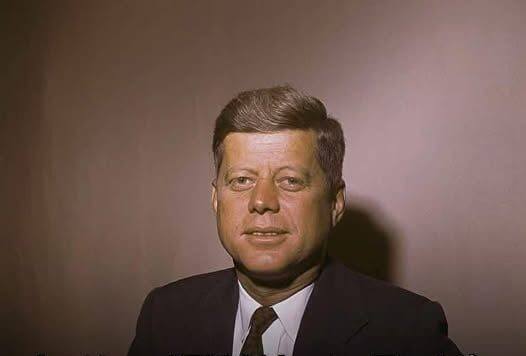
Years after one of the most closely watched periods in American history, a personal letter surfaced that offered a rare glimpse into a more private and human side of the White House. Written by President John F. Kennedy, the letter reflected emotions and thoughts that were never intended for public view.
For decades, history had focused on carefully captured images—moments that portrayed confidence, unity, and a sense of national pride. But this discovery quietly shifted that perspective, revealing that behind those composed public appearances were complex and deeply personal experiences.
Beyond the Public Image
The early 1960s remain one of the most widely remembered periods in American political life. Photographs from that time often show a polished and composed leadership, with the White House symbolizing stability and elegance.
Yet, as with many moments in history, the reality behind the scenes was far more layered.
The letter, dated October 1963, was addressed to Mary Pinchot Meyer, an artist known within social and intellectual circles of Washington at the time. It was reportedly kept by Kennedy’s longtime secretary, Evelyn Lincoln, preserving a private moment that would only come to light years later.
Rather than focusing on public matters, the letter conveyed a tone of reflection and emotion—revealing a side of leadership that is rarely documented.
A Moment Frozen in Time
What makes the letter particularly striking is not only its content, but its timing.
Written just weeks before a pivotal moment in American history, it carries a sense of immediacy and quiet reflection. It captures a moment in time when the pressures of leadership and the realities of personal life intersected in a way that was never meant to be shared.
Though brief, the letter has been interpreted by historians as a window into the emotional landscape of a figure often viewed through a purely public lens.
A Story Surrounded by Mystery
Mary Pinchot Meyer’s life and legacy have also drawn significant attention over the years. Her story, like the letter itself, has been the subject of discussion, research, and continued curiosity.
In 1964, her life ended unexpectedly in Washington, D.C., in a case that has remained unresolved in the public mind. While official investigations took place, the circumstances have continued to generate interest and speculation.
Additional elements—such as reports of personal writings that were never recovered—have only added to the sense of mystery surrounding the story.
Over time, these unanswered questions have contributed to a narrative that blends documented history with ongoing curiosity.
A Letter That Became a Historical Artifact
Years later, the letter itself became a piece of history.
It was eventually brought to auction, where it sold for nearly $89,000—an indication of its significance not only as a personal document, but as a cultural artifact.
More than its monetary value, however, the letter represents something deeper: a reminder that even the most visible figures in history have private lives that are often far more complex than the public ever sees.
Rethinking History Through a Human Lens
History is often shaped by images, speeches, and major events. But sometimes, it is the smaller, quieter moments that reveal the most.
This letter does not redefine an era—but it adds dimension to it.
It reminds us that behind leadership and legacy are individuals navigating personal thoughts, relationships, and emotions—just like anyone else.
And perhaps that is why it continues to resonate.
Because it offers not just a historical detail, but a human perspective—one that connects the past to the present in a way that feels both real and relatable.