
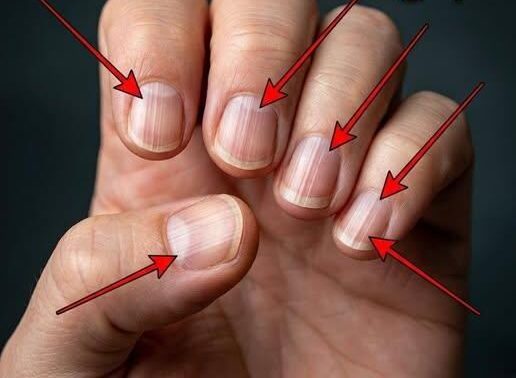
What Vertical Lines on Nails Really Mean After 40
Noticing Small Changes
It often begins with something subtle.
A quick glance at your hands can reveal details you may not have noticed before.
One of the most common observations is the appearance of lines on the nails.
These lines may be faint or more visible, leading to a natural question about whether they are normal.
The answer can vary depending on the situation.
Why Nails Change With Age
As the body ages, gradual changes occur across different areas.
Hair, skin, and nails all reflect these natural shifts over time.
Nails are no exception and can develop visible changes as part of the aging process.
This happens because cell regeneration slows down, and the body becomes less efficient at absorbing nutrients.
Hormonal changes can also influence nail texture and strength.
These factors combined often lead to the appearance of vertical lines.
Understanding Vertical Nail Lines
Vertical lines, also known as ridges, typically run from the cuticle to the tip of the nail.
They are among the most common nail changes observed over time.
In many cases, these lines are harmless and simply reflect natural aging.
They may also be influenced by mild dehydration or changes in nail growth patterns.
However, not all changes should be dismissed without attention.
When It Is Completely Normal
If the lines are light, evenly spaced, and not accompanied by pain, they are usually considered normal.
Gradual changes that remain stable over time are often part of the natural aging process.
These lines can be compared to fine lines or wrinkles that appear on the skin.
They do not typically indicate any underlying concern when they remain mild and consistent.
When It May Signal a Deficiency
More noticeable changes can sometimes point to nutritional imbalances.
In certain cases, vertical lines may be linked to deficiencies in essential nutrients.
Possible contributing factors include low iron levels, insufficient vitamin B intake, or inadequate protein consumption.
Additional signs such as brittle nails, peeling, discoloration, or slow growth may indicate that the body needs support.
These signs should be observed carefully rather than ignored.
The Connection Between Diet and Nail Health
Nails often reflect overall dietary habits.
What you eat plays a direct role in how strong and healthy your nails appear.
A balanced diet provides the building blocks needed for proper nail growth and structure.
Ensuring consistent intake of key nutrients can support stronger and more resilient nails.
Foods That Support Strong Nails
Eggs are a valuable source of biotin, which contributes to nail strength and growth.
Nuts and seeds provide healthy fats, zinc, and vitamin E, which help maintain nail flexibility.
Fatty fish such as salmon and tuna contain omega-3 fatty acids that support moisture and resilience.
Leafy greens like spinach, kale, and broccoli offer iron, calcium, and essential vitamins needed for nail health.
Fruits, especially berries, are rich in antioxidants and vitamin C, which support collagen production.
Dairy products supply calcium and protein, both important for maintaining strong nails.
Lean protein sources such as chicken, turkey, and legumes contribute to keratin production, the key component of nails.
Important Vitamins for Nail Strength
Several nutrients play a central role in maintaining healthy nails.
Biotin supports nail strength and structure.
Iron helps prevent weakness and visible ridges.
Zinc contributes to growth and repair.
Vitamin C supports collagen formation, which is essential for nail integrity.
Omega-3 fatty acids help maintain hydration and flexibility.
A lack of these nutrients can sometimes be reflected in nail changes.
Habits That Can Weaken Nails
Daily habits can also affect nail health.
Frequent use of harsh nail polish removers can strip moisture from the nails.
Nail biting can weaken the structure and lead to damage over time.
Excessive exposure to water can make nails more fragile.
Poor dietary habits and inadequate hydration can further contribute to weakness.
These factors combined may lead to more noticeable changes in nail appearance.
Simple Ways to Improve Nail Condition
Improving nail health does not require complicated steps.
Maintaining a balanced diet is one of the most effective ways to support nail strength.
Staying properly hydrated helps prevent dryness and brittleness.
Using gentle nail care products can reduce unnecessary damage.
Keeping nails clean and trimmed supports overall hygiene and appearance.
Small, consistent changes can lead to noticeable improvements over time.
Nails as Indicators of Overall Health
Nails are more than just a cosmetic feature.
They can reflect internal conditions such as nutritional balance and hydration levels.
Changes in nail texture or appearance may provide clues about what is happening inside the body.
Paying attention to these signs can help individuals better understand their overall well-being.
Recognizing the Bigger Picture
The appearance of vertical lines on nails is not always cause for concern.
In many cases, it is a natural part of aging and does not require intervention.
However, noticeable or sudden changes should be observed carefully.
Understanding the possible causes allows for better awareness and informed decisions.
Final Thoughts
Changes in nail appearance can feel unexpected, especially when they become more visible over time.
In most situations, vertical lines are harmless and reflect natural aging processes.
At the same time, they can sometimes signal the need for better nutrition or care.
Paying attention to these small details can offer valuable insight into overall health.
The body often communicates through subtle signs, and recognizing them can support long-term well-being.