
Travel Footwear Rules in 2026: What Passengers Really Need to Know
Viral Claims and Growing Confusion
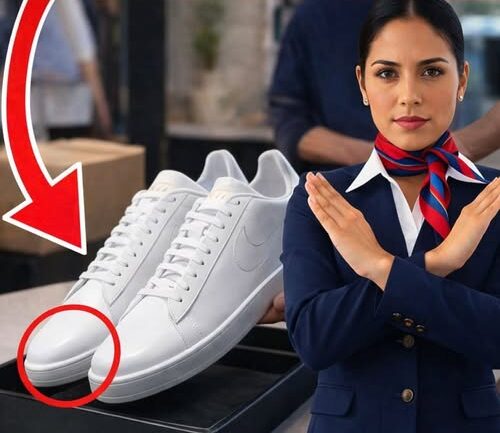
“Don’t travel in 2026 without knowing this first. No longer allowed!” is the type of message that quickly captures attention online. It spreads widely because it suggests sudden changes that could impact a large number of travelers.
When these claims focus on shoes, they often create unnecessary concern. Many people assume that certain types of footwear have been officially banned, leading to confusion about what is actually permitted during travel.
In reality, there is no global rule that prohibits specific types of shoes in 2026. The situation is far less dramatic than viral posts suggest.
Understanding the Reality Behind the Headlines
The idea of a footwear ban is largely based on misunderstanding. What has been changing over time is not permission, but procedure.
Airports and security agencies continue to update how passengers are screened. These updates are designed to improve safety and efficiency, not to restrict personal choices unnecessarily.
As a result, travelers may notice differences in how shoes are handled during security checks, but this does not mean certain footwear is no longer allowed.
Why Shoes Are Part of Security Screening
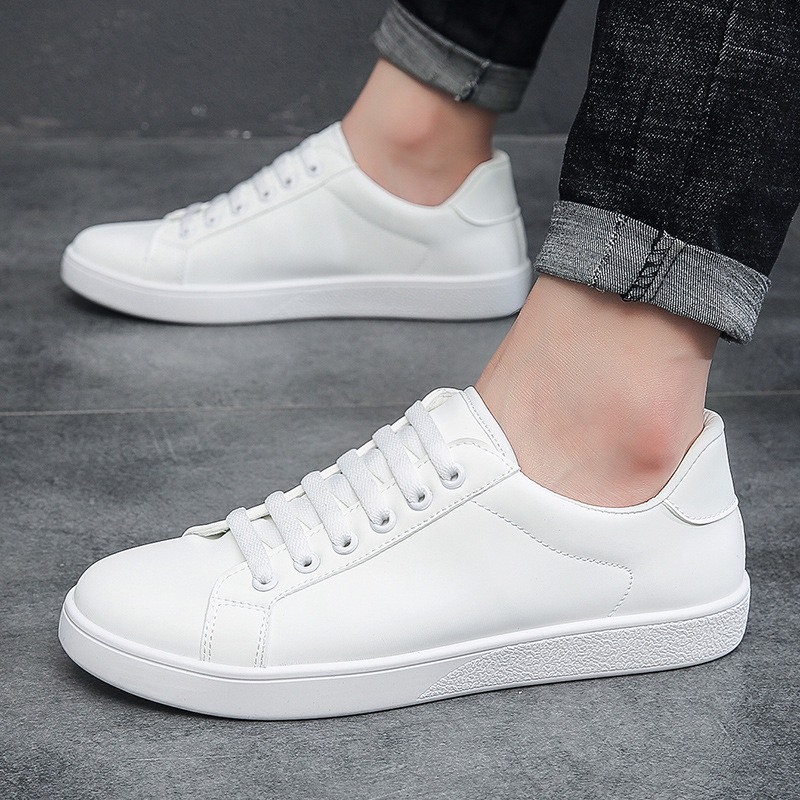
Shoes have long been a focus during airport security checks. This practice became more common after past incidents involving concealed items hidden in footwear.
The reasoning behind this approach is straightforward. Shoes can contain dense materials or hidden compartments that make it harder for scanners to detect potential threats.
To address this, many airports require passengers to remove their shoes so they can be screened separately. This step improves accuracy and helps ensure a safer travel environment.
Technology Is Changing the Process
Recent advancements in scanning technology have started to change how security procedures work. New systems are being introduced that allow for more detailed imaging without requiring passengers to remove as many items.
In some cases, travelers enrolled in trusted programs may be allowed to keep their shoes on during screening. This has led to confusion, with some interpreting these changes as restrictions on certain types of footwear.
In truth, the opposite is happening. The goal is to make the process smoother, not more restrictive.
Footwear That May Trigger Extra Checks
Although no shoes are officially banned, some types are more likely to attract attention during screening. Footwear with thick soles, embedded metal, or complex structures can make scanning more difficult.
Examples include platform shoes, heavy-duty boots, or designs with multiple layers. These features can obscure the scanner’s view, making it harder to confirm that no prohibited items are present.
When this happens, security staff may request additional inspection. This can involve removing the shoes or undergoing further checks, which may take extra time.
For this reason, experienced travelers often choose simpler footwear to make the process quicker and more convenient.
Comfort and Practicality Matter
Beyond security, comfort plays an important role in choosing travel footwear. Airports and flights often involve long periods of standing, walking, and waiting.
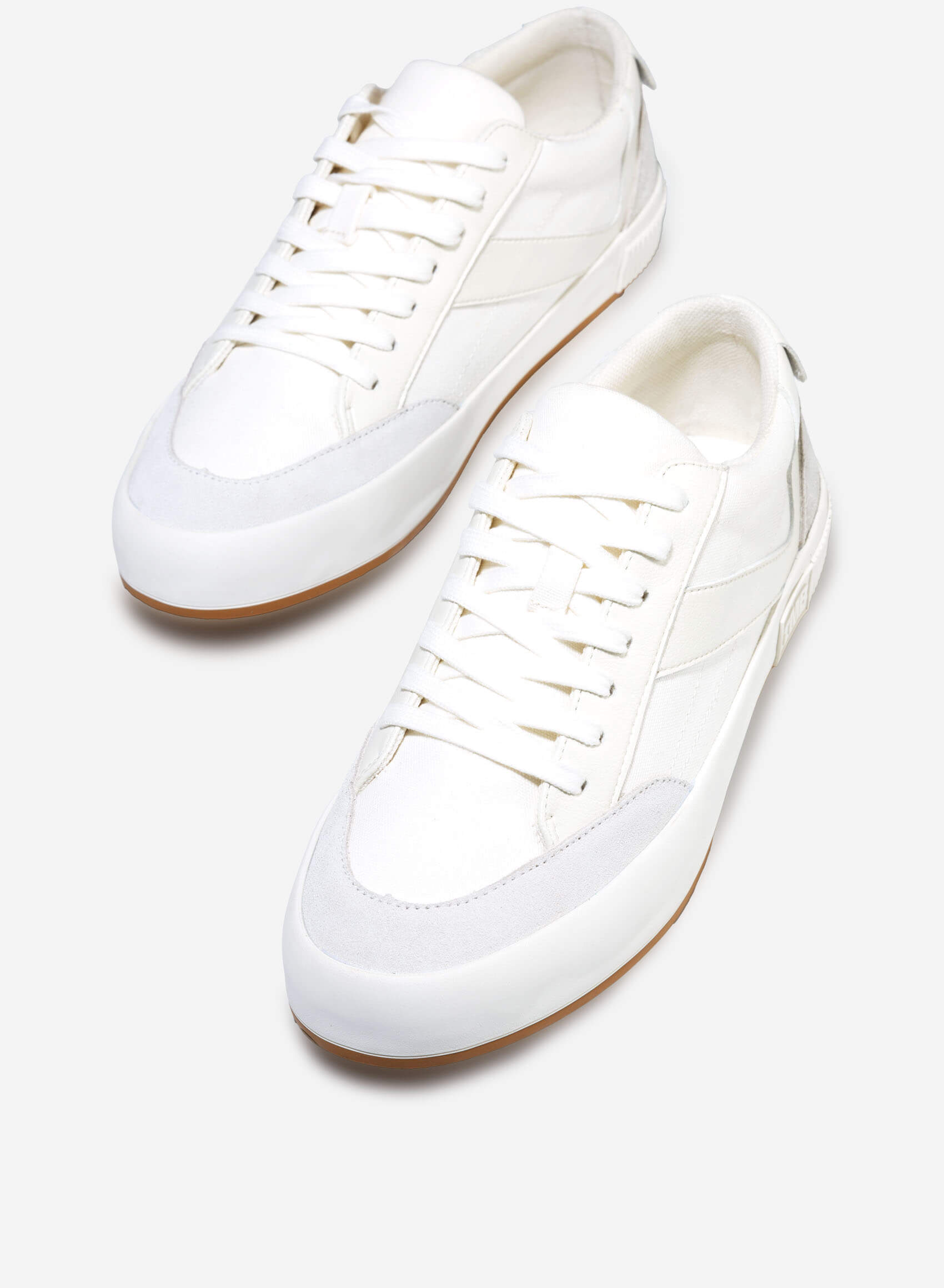
Easy-to-remove shoes can make the screening process less stressful. They also help travelers move more efficiently through checkpoints, reducing delays and inconvenience.
While fashion choices remain personal, practicality often becomes the priority during travel.
Health and Hygiene Considerations
Another factor influencing footwear recommendations is hygiene. Airports and airplanes are high-traffic environments where cleanliness can vary.
Some online claims suggest that open footwear or walking barefoot is not allowed. However, these are not official rules.
Instead, they are general recommendations. Wearing closed shoes is often encouraged to provide protection and reduce exposure to unsanitary surfaces.
In situations such as emergencies, proper footwear can also help prevent injuries, making it a practical choice rather than a requirement.
Cultural Expectations at Different Destinations
Travelers may also encounter situations where footwear rules vary depending on location. In certain cultural or religious settings, removing shoes is expected.
This is common in places such as temples, mosques, or traditional homes. These practices are based on respect and cleanliness rather than legal enforcement.
Misunderstandings can occur when travelers interpret these customs as official restrictions. Being aware of local expectations helps avoid confusion and ensures respectful interactions.
The Role of Social Media in Spreading Misinformation
Social media has played a major role in amplifying confusion about travel rules. Short videos or posts often highlight isolated incidents without proper context.
For example, a traveler being stopped for additional screening may be presented as evidence of a new rule. In reality, such situations are routine and based on individual circumstances.
The reason these posts spread quickly is that they create a sense of urgency. People are more likely to share information that appears important or alarming, even if it is incomplete.
What to Expect Moving Forward
Looking ahead to 2026, the most likely changes involve continued improvements in security technology. Airports are investing in systems that reduce the need for removing items during screening.
However, these advancements are being implemented gradually. Differences in infrastructure, cost, and regional policies mean that procedures will continue to vary between locations.
Travelers should expect some variation depending on the airport and country they are visiting.
How to Prepare for a Smooth Travel Experience
Preparation remains the most effective way to avoid unnecessary delays. Choosing comfortable and simple footwear can make a significant difference during security checks.
Avoiding overly complex designs can reduce the likelihood of additional screening. Being aware of local customs can also help travelers adapt more easily to different environments.
Relying on official airport information and travel advisories ensures that decisions are based on accurate and up-to-date guidance.
Clearing Up the Misconception
The idea that certain shoes are no longer allowed for travel in 2026 is largely a misunderstanding. There is no universal ban on specific types of footwear.
What has changed is the way security procedures are carried out. These changes are focused on improving safety, efficiency, and passenger experience.
Shoes continue to be part of the screening process, but they are not restricted in the way viral claims suggest.
A Practical Perspective on Travel Rules
Understanding the reasoning behind these procedures helps remove confusion. Security measures are designed to protect passengers, not to limit personal choices.
At the same time, practical considerations such as comfort, hygiene, and cultural awareness play an important role in shaping recommendations.
By focusing on these factors, travelers can navigate airports more easily and avoid unnecessary stress.
Final Thoughts
Travel in 2026 is not defined by strict bans on footwear, but by evolving systems that aim to make journeys safer and more efficient.
Misleading claims may continue to circulate, but understanding the facts allows travelers to make informed decisions.
In the end, choosing the right shoes is less about rules and more about preparation, comfort, and awareness of the travel environment.