
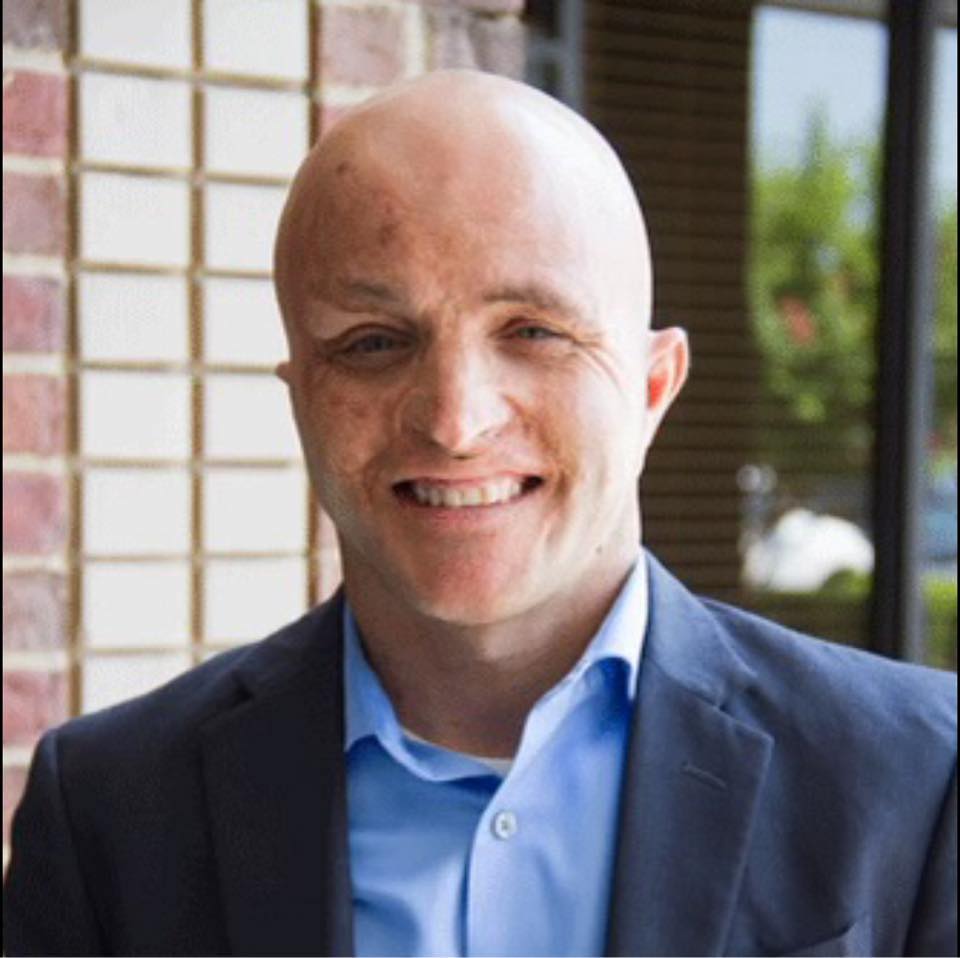
Keith Edmonds Turned A Childhood Tragedy Into A Life Of Service And Hope
A Life Changed In Early Childhood
Keith Edmonds survived an act of violence as a toddler and went on to build a life centered on recovery, purpose, and service to others.
His story begins on November 18, 1978, in Flint, Michigan, when he was just 14 months old. During that traumatic event, his mother’s boyfriend pressed his face against an electric heater, causing severe injuries that left lasting scars.
The damage was extensive, and the situation was so serious that doctors did not expect him to live through the night. Even so, he survived.
That survival became the first chapter in a much longer journey, one that would involve years of medical treatment, emotional hardship, personal setbacks, and eventually a remarkable transformation.
Keith later described how uncertain those first weeks were after the attack. “I spent a month in the hospital, with no one knowing if I was going to live or die,” Keith said.
Years Of Treatment And Unstable Early Conditions
After the initial emergency care, Keith continued receiving treatment at the Shriners Burn Institute in Cincinnati. His medical care lasted until he turned 18.
Those years were not only physically demanding but also emotionally difficult. His recovery involved ongoing efforts to rebuild what had been lost and adjust to a life shaped by visible injuries.
His childhood was further disrupted by the legal and family consequences that followed. Keith became a ward of the state and entered foster care during that period.
He remained in foster care until his mother was cleared of wrongdoing and the two were reunited. Even with that reunion, the disruption and trauma of those years stayed with him.
The man responsible for the attack received a 10-year prison sentence. For Keith, that outcome felt painfully insufficient for a long time.
He later reflected on how deeply that sentence affected his view of justice during his younger years. ”When I was a younger child and into my teenage years, I absolutely did not believe 10 years was enough. More so to the fact that in my later teen years I was looking for him….I was willing to meet him face to face and get revenge. (Never found him) Into my 20’s and early 30’s I still believed I was let down by the courts,” Keith shares with Newsner.
The Emotional Weight Of Growing Up With Visible Scars
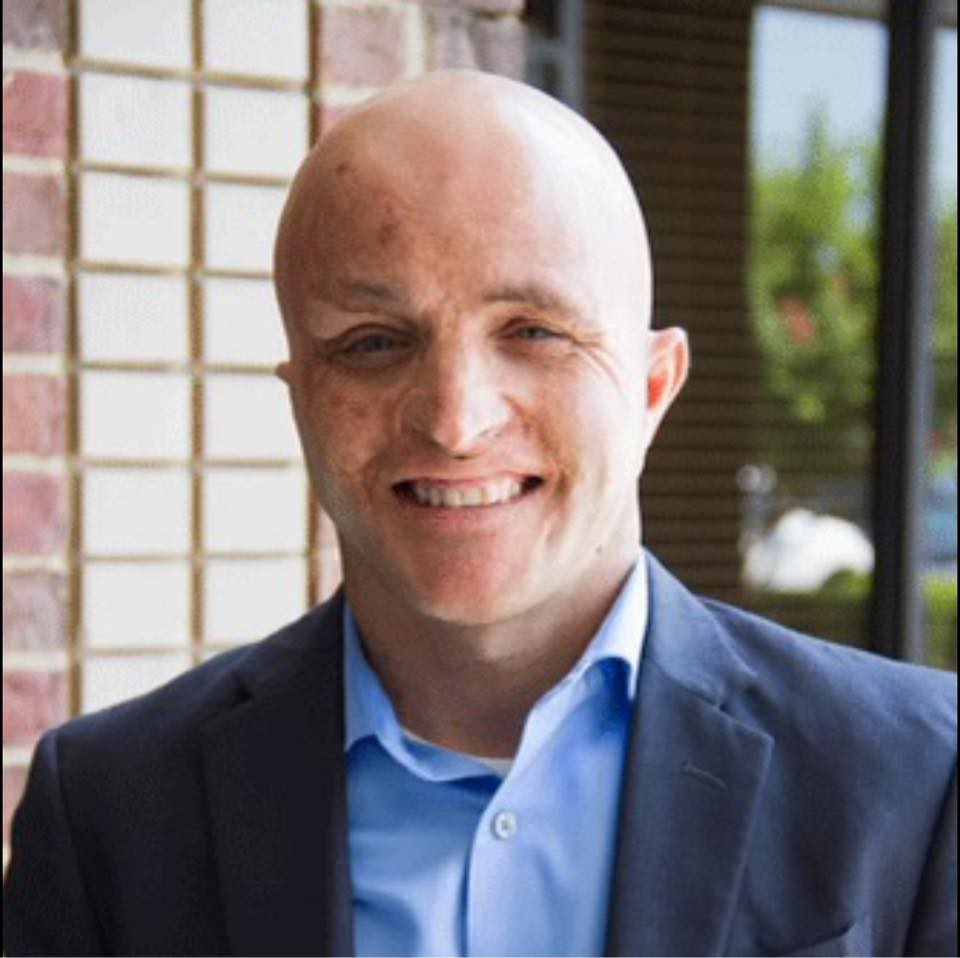
Keith’s injuries were not something he could leave in the past or hide from public view. The scars remained with him through childhood, adolescence, and adulthood.
That visibility affected the way people saw him and the way he moved through the world. The experience of being different on the outside often brought pain that went beyond the original injury.
He faced bullying and isolation while growing up. Those experiences added another layer to the trauma he had already endured.
For a child and teenager trying to understand his place in the world, that kind of treatment created a deep sense of loneliness. It also contributed to choices that would shape the next stage of his life.
By the age of 13, Keith had turned to alcohol. It became a way to cope with pain that had never fully left him.
His struggles continued for more than two decades. During his twenties, he lived through depression, addiction, and repeated trouble with the law.
Those years reflected the long reach of childhood trauma. The injuries he carried were physical, but the effects were far broader and more difficult to resolve.
A Turning Point At Age 35
The change in Keith’s life did not happen gradually over a long period. It came during a specific moment that marked a decisive break from the life he had been living.
On July 9, 2012, his 35th birthday became a turning point. During another drinking binge, he experienced what he described as a sudden and life-changing moment of clarity.
That moment led him to make a direct and personal decision about the kind of future he wanted. “I wanted to become a better person,” he says.
From there, Keith began the difficult process of rebuilding his life. Recovery required more than ending one harmful pattern. It meant facing years of pain, anger, disappointment, and self-destruction.
The decision to change did not erase the past, but it gave him a new direction. It also created the foundation for everything that followed.
Rebuilding Through Work And Discipline
As Keith moved forward, he found stability and success in corporate sales. He worked with Dell and the Coca-Cola Company and consistently earned top awards.
His professional progress showed that he was able to channel discipline, resilience, and determination into meaningful results. He was not defined by the worst events of his early life.
At Coca-Cola, he was given the toughest sales route in inner-city Detroit. That responsibility reflected trust in his ability to connect with people and succeed in situations others found challenging.
His success in business became part of his recovery, but it was not the end goal. The personal transformation taking place in his life was beginning to move in a broader direction.
He was no longer focused only on survival or stability. He was beginning to think about what his experience could mean for other people who had also been hurt.
Turning Personal Pain Into A Mission
Keith’s journey eventually became larger than his own recovery. He began using his experience to support children and young people facing abuse, neglect, and instability.
In 2016, he founded the Keith Edmonds Foundation. The nonprofit focuses on empowering abused and neglected children and helping them feel supported as they move through painful circumstances.
Its work reflects an approach shaped by Keith’s own life. He understood that trauma does not end quickly and that support must be consistent to matter.
Among the foundation’s programs is Backpacks of Love, which provides foster children with essential items for their first days in care. That effort addresses a vulnerable and disorienting moment in a child’s life.
Another program, Camp Confidence, is a summer day camp centered on mentorship and empowerment for abuse survivors. The goal is not only to offer temporary encouragement but also to help children feel seen, valued, and capable of moving forward.
For Keith, this work is not symbolic. It is practical, direct, and deeply personal.
Moments That Defined The Meaning Of His Work
Keith has spoken about moments that revealed the emotional impact of the foundation’s work. One of those moments stayed with him because of the connection it created between survivor and child.
He recalled a discussion in which an adult survivor was speaking about vision boards, life improvement, and role models. During that exchange, a young girl asked if he could be her role model.
The moment affected Keith deeply. “There was a moment when an adult survivor was talking about vision boards and 10 things to make life better and talked about role models,” Keith recalls. “A little girl asked if he could be her role model. There was such a great connection there. I was so overcome, I had to leave the room.”
That experience reflected the kind of trust his presence can inspire. Children and teens who have experienced pain often recognize that he understands what suffering can leave behind.
Keith has also made clear that meaningful help must continue beyond a single event or program. “We can’t just come into their lives for the camp and then just leave,” he says. “We walk alongside them to assist them in whatever they need.”
Why His Story Connects With Young People
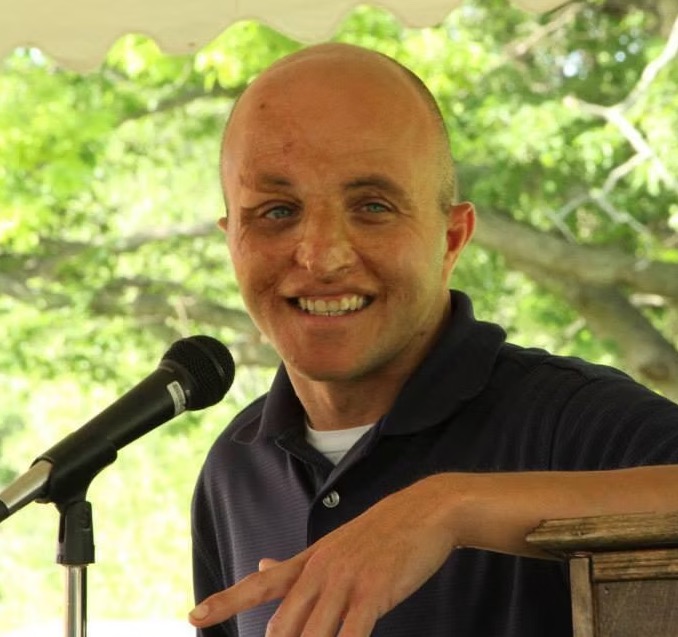
Keith’s impact is closely tied to the fact that his scars are visible. For many young people, that visibility makes him immediately believable.
He is not speaking from distance or theory. He carries the evidence of what he survived every day.
Rick Miller, principal of MAP Academy for at-risk students in Lebanon, Tennessee, described that effect in clear terms. “They relate to him because he wears the scars of his abuse every day of his life and he doesn’t shoot them full of hot air. They immediately trust him.”
That trust has made a difference in individual lives. Miller described the change in one high school girl after she connected with Keith and his wife, Kelly.
“She became like a new kid. I watched her smile again and saw life coming back to her,” Miller says. “We might have lost her if they hadn’t come along the way they did.”
Those kinds of outcomes help explain why Keith’s work matters to the communities he serves. His story is not presented as perfection or easy triumph. It is grounded in survival, accountability, and sustained effort.
Living With Visible And Invisible Scars
Keith has often spoken about the fact that many people carry deep pain that others cannot see. His own scars make that reality visible in a way that is immediate and impossible to ignore.
At the same time, he understands that suffering is not limited to what appears on the surface. “There are people who wear their scars all on the inside and you pass them every day,” he says. “I just happen to wear my scars on the inside and the outside.”
That perspective helps explain the way he relates to others. His experience allows him to connect not only with those who have endured visible injury, but also with those whose pain has remained hidden.
His work is built on that understanding. The foundation he created is not only about providing items or organizing events. It is about helping people feel less alone in what they carry.
Forgiveness, Reflection, And The Life He Chose
One of the most striking parts of Keith’s journey is the way his thinking changed over time. As a younger man, he was consumed by anger over what had been done to him and by the sense that justice had fallen short.
After getting sober and working through his pain, that outlook shifted. He came to see forgiveness as part of his own healing.
He did not describe forgiveness as approval or erasure. Instead, he spoke about it as a way to stop being controlled by the damage of the past.
“At 35, when I got sober and worked on myself, my pain, my anger, my hurt, I again found this thing called forgiveness. Forgiveness is a powerful tool. It does not excuse the person’s actions, and you do not forget the wrong they have done, but it truly does give you a better perspective on life.
As of today, I know what town the guy lives in — it’s honestly not that far away from where I live. Have I met him? No. Would it be met with anger? Probably not.”
That reflection captures how far he has come from the emotions that once shaped him. The past remains real, but it no longer directs his future.
Family, Healing, And A Lasting Purpose
Keith has also written about the difficult but enduring bond he has with his mother. Their relationship experienced painful periods, especially during his teenage years and later adulthood.
Even so, that relationship remained part of his life. ”There were some turbelant years when I was in my teenage years and even when I was in the 20’s and 30’s but she has always been there. Forgiveness is a powerful tool to have in this thing called life,”
His broader message has become one of movement from victimhood toward survival, then from survival toward service. The change did not happen quickly, and it did not come without struggle.
Today, Keith uses speaking, mentorship, and the work of his foundation to encourage others facing abuse-related trauma. His life reflects the belief that painful beginnings do not have to decide the ending.
“I spent my whole life trying to transition myself from a victim to a survivor,” Keith says. “I quit drinking for every child that has been affected by child abuse. I know that I have been blessed to be able to make the transition, and it is my job to help empower and assist others in their journeys. And try my best to shorten their transition.”
Keith Edmonds’ story is one of survival, accountability, and purpose. What began in tragedy became a life devoted to helping others find support, dignity, and hope.