

Jim Reeves’ “He’ll Have to Go”: The Song That Redefined Country Music
A Defining Moment in Music History
In 1960, a song emerged that would leave a lasting impact on both country and popular music. “He’ll Have to Go,” performed by Jim Reeves, quickly became more than just a hit—it marked a turning point in how country music was perceived and appreciated.
With its smooth delivery and emotional depth, the song introduced a style that resonated far beyond traditional audiences. It helped bridge the gap between genres, bringing country music into a broader spotlight.
This moment established Jim Reeves as not only a successful artist but also a defining voice of his time.
The Artist Behind the Voice
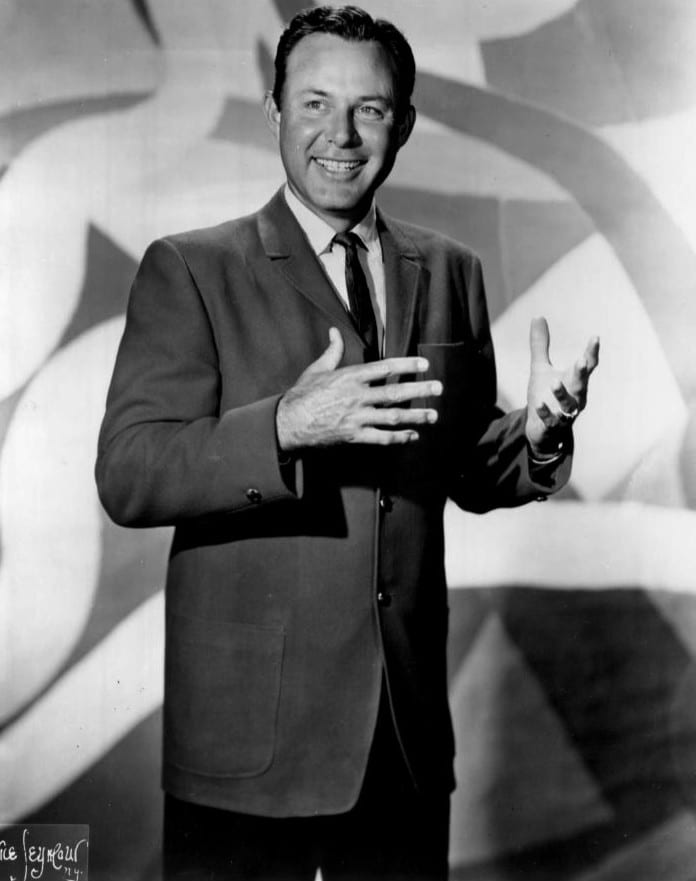
Jim Reeves, often referred to as “Gentleman Jim,” was known for his refined presence and distinctive vocal style. His approach to music emphasized clarity, warmth, and subtle emotion.
Born in Texas, he began his career as a radio announcer before transitioning into music. This background contributed to his polished delivery and strong connection with listeners.
By the time he recorded “He’ll Have to Go,” he had already built a solid reputation, but this song elevated him to a new level of recognition.
The Story That Inspired the Song
The origins of “He’ll Have to Go” add to its lasting appeal. Written by Joe and Audrey Allison, the song was inspired by a real-life moment overheard during a phone conversation.
This simple yet emotional exchange became the foundation for the song’s opening line: “Put your sweet lips a little closer to the phone.”
The line captured a sense of longing and vulnerability that listeners immediately connected with, making the song feel personal and relatable.
A Unique Recording Approach
When Jim Reeves recorded the song, he chose a restrained and natural approach. Rather than emphasizing dramatic elements, he allowed the melody and lyrics to speak for themselves.
The production was intentionally simple, creating space for his voice to take center stage. This decision gave the song a calm and intimate quality that set it apart from other recordings of the time.
The result was a performance that felt genuine and emotionally authentic.
Chart Success and Widespread Appeal
Following its release, “He’ll Have to Go” quickly gained popularity. It reached the top position on the country charts and also climbed to number two on the pop charts.
This crossover success demonstrated that country music could appeal to a wide audience without losing its identity.
The song’s achievement marked an important moment in the evolution of the genre.
Shaping the Nashville Sound
The success of the track played a key role in defining what became known as the Nashville Sound. This style combined elements of country and pop, creating a smoother and more accessible musical experience.
It introduced a new direction for artists and producers, encouraging experimentation while maintaining emotional depth.
The influence of this approach can still be heard in modern music today.
A Song That Inspired Generations
Over the years, “He’ll Have to Go” has been recorded by many artists, each bringing their own interpretation. Despite these versions, the original recording remains widely regarded as the most impactful.
Jim Reeves’ performance set a standard that continues to influence musicians across genres.
His ability to convey emotion through simplicity remains a defining characteristic of the song’s legacy.
Global Reach and Influence
Jim Reeves’ success extended beyond national borders. His music reached audiences around the world, helping introduce country music to new listeners.
Through his recordings and performances, he demonstrated that the genre could be both expressive and universally appealing.
This international recognition contributed to the continued growth of country music on a global scale.
A Lasting Legacy
Jim Reeves’ career was marked by significant achievements, but his influence continued even after his passing. His contributions to music remain an important part of the genre’s history.
“He’ll Have to Go” stands as a lasting example of his talent and vision. It continues to be played, shared, and appreciated by new generations.
The song’s enduring popularity reflects its timeless qualities and emotional resonance.
Continuing Impact on Modern Artists
The path created by Jim Reeves has influenced many artists who followed. Musicians who blend styles and explore new directions often draw inspiration from his work.
His approach demonstrated that innovation and tradition could exist together, creating opportunities for growth within the genre.
This influence remains visible in the evolving landscape of contemporary music.
The Power of Simplicity in Music
One of the reasons “He’ll Have to Go” continues to resonate is its simplicity. The song relies on clear storytelling and a focused performance rather than complex arrangements.
This approach allows listeners to connect with the emotion behind the lyrics in a direct and meaningful way.
It serves as a reminder that music does not need to be complicated to have a lasting impact.
A Song That Stands the Test of Time
Decades after its release, “He’ll Have to Go” remains one of the most recognized and appreciated songs in country music. Its appeal has not diminished, continuing to attract both longtime fans and new listeners.
The combination of heartfelt lyrics and a memorable performance ensures its place in music history.
Jim Reeves’ contribution through this song continues to shape how music is experienced and remembered.
A Lasting Influence on the Genre
Jim Reeves did more than create a successful recording—he helped redefine the direction of country music. His work demonstrated the potential for broader appeal while maintaining authenticity.
Through “He’ll Have to Go,” he left a lasting impression that continues to influence artists and listeners alike.
As music evolves, his legacy remains a foundation for those who seek to combine tradition with innovation.