
The Life and Legacy of Charles Manson: A Story of Influence, Violence, and Lasting Impact
A Troubling Path Shaped by Early Instability
History has shown that early life conditions can leave lasting impressions, but they do not determine a person’s destiny. In some rare cases, however, a combination of instability, neglect, and exposure to harmful environments can contribute to deeply troubling outcomes. Few individuals represent this more clearly than Charles Manson, whose name became permanently associated with one of the most infamous criminal cases in modern American history.
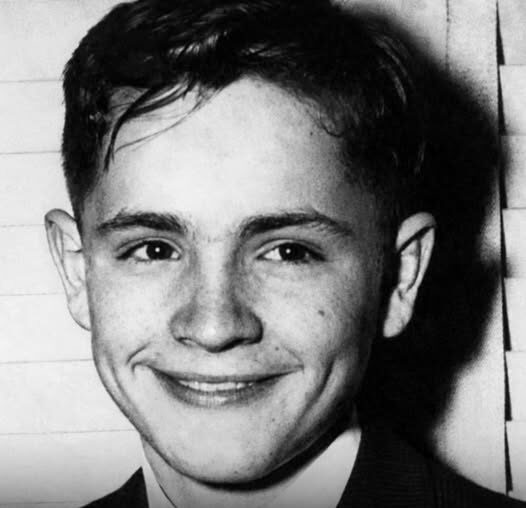
Born in 1934 in Cincinnati, Ohio, Manson entered the world under difficult circumstances. His mother was just 16 years old at the time, and his biological father was not present in his life. From the beginning, his upbringing lacked the consistency and stability that many children depend on during their formative years.
Frequent relocations and shifting caregivers created an environment where structure was limited. Without a steady support system, Manson’s early development was marked by uncertainty and a lack of supervision. These early conditions played a significant role in shaping his behavior as he grew older.
Childhood Experiences and Early Behavioral Patterns
During his childhood, Manson faced further disruption when his mother was imprisoned for robbery. This led to him being placed with relatives and temporary guardians. These arrangements often lacked emotional support and stability, contributing to a sense of detachment and insecurity.
Accounts from that time suggest that discipline was often harsh, while nurturing guidance was limited. By the time he reached his preteen years, he had already begun to encounter trouble with authority. Reports indicate involvement in truancy, theft, and other minor offenses.
As his behavior escalated, reform schools and juvenile detention centers became a regular part of his life. Instead of providing effective rehabilitation, these institutions often reinforced patterns of defiance and manipulation. Psychological evaluations conducted during his youth pointed to antisocial tendencies and difficulty adapting to structured environments.
These early interactions with authority figures and institutional systems contributed to a growing pattern of resistance and behavioral instability. Rather than redirecting his path, these experiences deepened his disconnect from conventional social norms.
A Life Marked by Repeated Incarceration
As Manson transitioned into adulthood, his encounters with the legal system continued. Criminal charges including theft, fraud, and assault led to repeated periods of incarceration. A significant portion of his early adult life was spent behind bars.
During these years, he began to develop skills that would later define his influence over others. Observers noted his ability to read people and identify their vulnerabilities. This skill became a central part of how he interacted with those around him.
While incarcerated, he also spent time studying various subjects, including religious texts, philosophical ideas, and elements of popular culture. Rather than forming a structured belief system, he combined fragments of these influences into a loosely defined worldview. This evolving ideology would later play a major role in shaping his actions and influence.
These years served as a turning point, not by reforming his behavior, but by equipping him with tools that he would later use to manipulate others.
The Emergence of a Following
After his release in the late 1960s, Manson relocated to California, where he began gathering a group of followers. This group eventually became known as the “Manson Family.” They lived communally, including at Spahn Ranch, located outside Los Angeles.
The group attracted individuals who were often young, searching for direction, and open to new ideas. Manson positioned himself as a central figure within the group, offering a sense of belonging while gradually increasing his influence over their thoughts and actions.
He introduced an apocalyptic belief system that he referred to as “Helter Skelter.” The phrase was taken from a song by The Beatles, though his interpretation bore no relation to its original meaning. He claimed it predicted a coming period of societal collapse and conflict.
Over time, these ideas became deeply embedded within the group. Members grew increasingly devoted, accepting his interpretations and authority without question. This dynamic created an environment where influence turned into control.
The Events of 1969
In August 1969, a series of violent crimes in Los Angeles shocked the nation. Members of the group carried out attacks that resulted in multiple deaths over the course of two nights.
Among the victims was actress Sharon Tate, along with four others at her residence. The following night, Leno and Rosemary LaBianca were also killed. These events quickly gained widespread attention due to their severity and the unsettling nature of the crimes.
Although Manson did not physically participate in the killings, prosecutors argued that he played a central role in directing and influencing those who carried them out. The case highlighted the extent of his control over the group.
In 1971, he was convicted of first-degree murder and conspiracy. Initially sentenced to death, his punishment was later changed to life imprisonment when California temporarily abolished capital punishment in 1972.
Years in Prison and Public Fascination
Manson spent the remainder of his life in prison, where he became a figure of ongoing public interest. His notoriety continued through interviews and media coverage, which often focused on his personality and beliefs.
Despite the attention, there was no indication of remorse for the actions connected to his influence. His statements and behavior reinforced the perception of a deeply complex and troubling individual.
He remained incarcerated for decades until his death in 2017. Even after his passing, discussions about his life and actions continue to appear in cultural and academic contexts.
Understanding the Broader Impact
The case involving Manson is frequently examined for its insights into human behavior, group dynamics, and the mechanisms of influence. It highlights how individuals seeking acceptance and purpose can become vulnerable to manipulation under certain conditions.
It also contributed to a shift in how society viewed the cultural landscape of the 1960s. An era often associated with peace and social change was suddenly confronted with a darker narrative that challenged public perception.
The events demonstrated how belief systems, when combined with strong influence and isolation from broader society, can lead to harmful outcomes. These lessons continue to be relevant in understanding similar dynamics in different contexts.
A Lasting Reminder
The life of Charles Manson does not provide simple answers or clear conclusions. While his early experiences offer context, they do not justify the actions that followed. Many individuals face difficult circumstances without resorting to harm.
His story serves as a reminder of the importance of critical thinking, personal responsibility, and awareness of influence. It underscores how powerful ideas and persuasive individuals can shape behavior in ways that may not always be immediately apparent.
Equally important is the remembrance of those who lost their lives. Their stories remain an essential part of this history, ensuring that the focus extends beyond the figure at its center.
In reflecting on this chapter of history, the emphasis remains not only on understanding what happened, but on recognizing the broader lessons it offers. The intersection of influence, vulnerability, and unchecked authority continues to be a subject of importance in both historical and modern discussions.
This enduring narrative stands as a cautionary account of how complex human factors can converge, leaving consequences that resonate far beyond their time.