
Are Ramen Noodles Unhealthy? What You Should Know Before Your Next Bowl
Why Instant Ramen Became a Staple for So Many People
Ramen has earned a permanent place in kitchens around the world for one simple reason: it is incredibly convenient. It cooks quickly, costs very little, and provides a warm, satisfying meal in just a few minutes.
For students, busy workers, families on a budget, and anyone looking for a fast meal, instant ramen often feels like an easy answer. It is widely available, simple to prepare, and familiar enough to become a regular habit without much thought.
That convenience, however, can also make it easy to overlook what the product actually contains. The speed and low cost are appealing, but they do not automatically mean the meal offers the same nutritional value as less processed food.
This is why ramen often sparks debate. Some people view it as harmless comfort food, while others see it as something that should be limited. The truth sits somewhere between those extremes.
What Is Really Inside a Packet of Instant Ramen
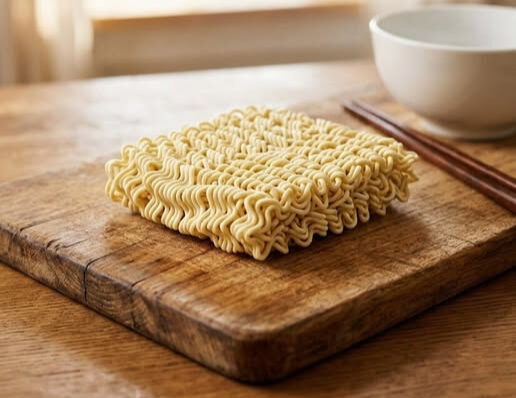
At first glance, instant ramen seems simple. It appears to be just dried noodles paired with a seasoning packet. In reality, the ingredients are more complex than that basic presentation suggests.
Most instant ramen products are made with refined wheat flour, added fats, flavoring agents, preservatives, and a high-sodium seasoning mix. These ingredients help give the noodles their texture, extend shelf life, and create the strong taste many people expect.
The noodles are often processed in a way that allows them to cook very quickly. That convenience is one of the biggest reasons the product remains so popular, but it also means the meal is usually more processed than it first appears.
The seasoning packet is especially important to understand. It is designed to deliver a bold flavor in a small amount of powder or paste, but that convenience often comes with a large amount of sodium and added flavor enhancers.
As a result, a bowl of instant ramen may fill your stomach, but it does not always deliver the kind of balance many people want from a full meal.
So, Are Ramen Noodles Unhealthy?
The answer depends largely on how often you eat them and how you prepare them. Eating instant ramen once in a while is not likely to cause concern on its own.
The bigger issue appears when ramen becomes a frequent go-to meal. Regular reliance on a highly processed food that is low in fiber and limited in key nutrients can make it harder to maintain a balanced diet over time.
Instant ramen is not necessarily harmful simply because it is processed. The concern comes from the combination of high sodium, modest nutritional value, and the tendency for people to eat it often because it is cheap and easy.
In other words, the problem is usually not one occasional bowl. The concern grows when ramen begins replacing more balanced meals on a regular basis.
The Sodium Issue Deserves Attention
One of the most commonly discussed concerns about instant ramen is sodium. In many cases, the seasoning packet contains a large share of the salt found in the final meal.
When people use the entire packet, they may consume a significant portion of their recommended daily sodium intake in a single serving. Because the noodles themselves seem mild, it is easy to forget that the broth may be carrying most of the salt load.
Too much sodium can contribute to water retention and may increase pressure on the cardiovascular system. For people already trying to manage blood pressure or reduce salt intake, this is an important factor to keep in mind.
The challenge is that the strongest flavor in ramen often comes directly from the ingredients that create this concern. That makes it tempting to use the full seasoning packet every time, even when a smaller amount would be enough.
This is one reason ramen can feel more harmless than it really is. The portion may not seem large, but the seasoning can change the nutritional profile of the meal very quickly.
Why Ramen Often Leaves You Hungry Again
Many people notice that ramen satisfies them at first but does not keep them full for very long. That experience is not surprising when you look at the meal’s basic composition.
Instant ramen often lacks a strong balance of protein, fiber, and more complex nutrients. Without those elements, the meal may not provide the kind of lasting fullness that comes from a more balanced plate.
The noodles can create a quick feeling of comfort and fullness, but that sensation may fade sooner than expected. This can lead to cravings later, along with the feeling that the meal did not really sustain energy for long.
Feeling full immediately after eating is not the same as being well nourished. A meal can satisfy hunger in the short term while still falling short in overall nutritional value.
What Ramen May Be Missing Nutritionally
Instant ramen is often criticized not only for what it contains, but also for what it lacks. Compared with meals built around vegetables, protein, and less processed staples, ramen may offer a narrower nutritional profile.
Low fiber content is one example. Fiber plays an important role in digestion and can also help support a longer-lasting sense of fullness. When a meal is low in fiber, it may feel less balanced overall.
Protein is another area where plain ramen may fall short. Without a meaningful source of protein added to the bowl, the meal can feel incomplete from a nutritional standpoint.
In addition, relying too heavily on instant noodles may leave less room in a person’s diet for foods that offer a wider range of nutrients. That is why frequency matters so much when talking about ramen and health.
Instant Ramen Is Not the Same as Fresh Ramen
It is helpful to separate instant ramen from fresh or homemade ramen, because they are not identical in quality or nutritional value. While both fall under the broad label of ramen, they can differ significantly.
Fresh ramen often contains fewer preservatives and may be prepared with better-quality ingredients. It may also provide more flexibility in controlling sodium, broth quality, and portion balance.
Homemade versions allow even more control. When someone prepares ramen at home from basic ingredients, they can decide how much salt to use and what vegetables or proteins to include.
This distinction matters because many conversations about whether ramen is unhealthy are really focused on the instant version sold in packets or cups. Not every bowl of ramen should be judged the same way.
How to Make Ramen a Better Meal
The good news is that ramen does not have to be abandoned completely. It can be improved in simple ways that make it more balanced and more satisfying.
One of the easiest changes is adding vegetables. Ingredients such as spinach, carrots, or broccoli can increase the nutritional value of the meal and make the bowl feel less one-dimensional.
Adding protein can also make a major difference. Eggs, chicken, or tofu can turn ramen from a quick snack into a more complete meal with better staying power.
Another practical step is reducing the seasoning. Using only half the packet can lower the sodium content while still keeping enough flavor to enjoy the dish.
Some people go further by replacing the packaged broth altogether with a homemade or lower-sodium version. This can provide more control over taste and salt levels without giving up the convenience of noodles.
Herbs and spices can also help. Instead of relying entirely on processed flavoring, small additions in the kitchen can improve taste while making the meal feel fresher.
Who Should Be Especially Careful
While moderation is useful advice for most people, some individuals may need to be more cautious with ramen. Those who are already monitoring sodium intake should pay especially close attention to serving size and seasoning use.
People with high blood pressure or certain health-related dietary goals may find that frequent instant ramen consumption does not fit well into their routine. In these cases, even a convenient meal can become less ideal when eaten too often.
This does not mean ramen must be completely avoided in every situation. It simply means that personal health goals should guide how often it appears in the diet and how it is prepared.
The more specific a person’s nutritional needs are, the more important these choices become.
The Real Problem Is Usually Frequency, Not One Bowl
Ramen is often discussed in extreme terms, but the bigger issue is usually habit rather than a single meal. Eating it occasionally is very different from depending on it day after day.
When instant noodles become a regular substitute for more balanced meals, the trade-offs become harder to ignore. High sodium, limited nutrients, and low fiber can matter more when repeated often.
On the other hand, treating ramen as an occasional convenience food places it in a very different category. Used sparingly and prepared thoughtfully, it can fit into an overall diet without becoming the center of it.
This is why balance matters more than strict rules. The goal is not necessarily to label ramen as good or bad in absolute terms, but to understand where it fits and where it falls short.
A Smarter Way to Think About Your Next Bowl
Before preparing ramen, it helps to pause and think about how the meal can be improved. Small adjustments can change the experience without adding much difficulty.
Adding a source of protein can make the bowl more substantial. Including vegetables can increase variety and improve overall balance.
Using less seasoning can reduce sodium without removing the convenience that makes ramen appealing in the first place. Watching portion size can also help, especially if the meal is paired with other food.
The key is to avoid treating plain instant ramen as a fully complete meal every time. A few thoughtful changes can make it much more practical as part of a balanced routine.
Final Thoughts on Whether Ramen Noodles Are Unhealthy
Ramen noodles are not automatically unhealthy in every situation, but they are also not as simple as they seem. Their convenience can hide important nutritional trade-offs, especially when the product is eaten frequently and prepared without additions.
The most common concerns center on sodium, processing, low fiber, and limited nutritional balance. These issues become more significant when instant ramen turns into a regular habit rather than an occasional choice.
At the same time, ramen can be improved. Vegetables, protein, and lighter seasoning can change the meal in meaningful ways without making it difficult to prepare.
The better question is not simply whether ramen is unhealthy. The more useful question is how often you eat it, what you add to it, and whether it supports the broader way you want to eat.
Once you understand that difference, a bowl of ramen becomes easier to judge clearly. It is not necessarily something to fear, but it is something worth understanding before it becomes a daily routine.
Frequently Asked Questions
Are ramen noodles unhealthy if eaten occasionally?
Occasional consumption is generally less concerning. The bigger issue is frequent reliance on instant ramen as a regular meal.
Why is instant ramen often considered high in sodium?
The seasoning packet usually contains most of the sodium, which is added to create a strong flavor and long shelf life.
Can ramen be part of a balanced diet?
It can fit more easily into a balanced diet when it is not eaten too often and when vegetables, protein, and reduced seasoning are added.
What is one of the easiest ways to make ramen better?
Using less of the seasoning packet and adding fresh ingredients such as vegetables or protein can improve the overall meal.
Is fresh ramen usually a better option than instant ramen?
In many cases, yes. Fresh or homemade ramen often contains fewer preservatives, lower sodium levels, and better-quality ingredients.