
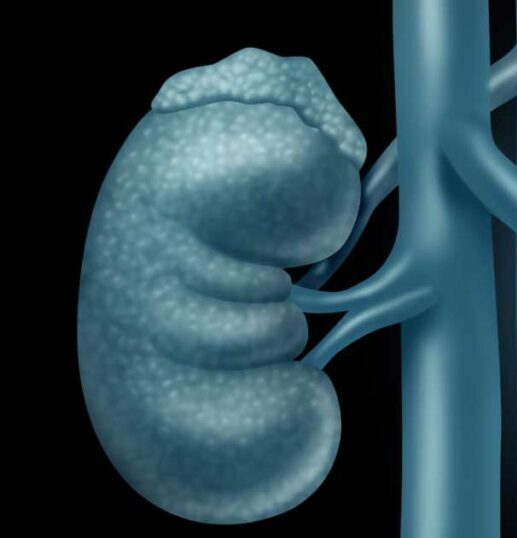
10 Warning Signs of Kidney Disease You Should Never Ignore
Why Kidney Health Matters
Kidney disease is a serious condition that affects millions of people worldwide, often developing silently over time. The kidneys are essential organs responsible for filtering waste, balancing fluids, and maintaining overall stability within the body.
When they begin to lose function, harmful substances can build up in the bloodstream, leading to a wide range of symptoms and complications. Because early stages may not cause obvious discomfort, recognizing warning signs becomes especially important.
Understanding how the kidneys work and how the body responds when something goes wrong can help you take action sooner rather than later.
Understanding the Role of the Kidneys
The kidneys are two small, bean-shaped organs located on either side of the spine, just below the ribcage. Despite their size, they perform several critical tasks that keep the body functioning properly.
Their primary role is to filter blood, removing waste products and excess fluids that are then excreted as urine. In addition, they help regulate blood pressure, support red blood cell production, and maintain the balance of key electrolytes such as sodium, potassium, and calcium.
Healthy kidneys filter a large volume of blood daily, ensuring that the body remains in balance and free from harmful toxins.
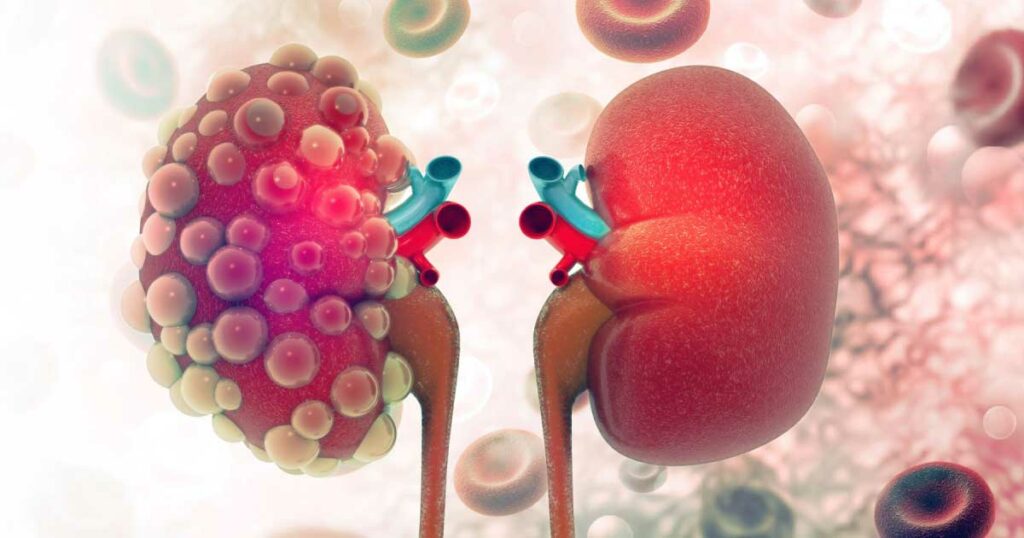
What Is Kidney Disease?
Kidney disease occurs when these organs become damaged and can no longer perform their functions effectively. This damage can develop over time due to various underlying factors.
Common causes include high blood pressure, diabetes, infections, autoimmune conditions, and inherited disorders. As the condition progresses, kidney function may continue to decline, eventually leading to more severe complications.
In advanced cases, the kidneys may fail completely, requiring treatments such as dialysis or transplantation. This is why early recognition and management are essential for slowing progression and protecting overall health.

Why Early Detection Is So Important
One of the biggest challenges with kidney disease is that symptoms often appear gradually and may be overlooked. Many people do not realize there is a problem until the condition has already reached a more advanced stage.
However, the body does provide warning signs that should not be ignored. Paying attention to these signals can make a significant difference in identifying the issue early and seeking appropriate medical care.
By recognizing these signs, individuals can take proactive steps to address potential problems before they worsen.
1. Changes in Urination
Alterations in urination are often among the earliest indicators of kidney issues. You may notice an increase in frequency, especially during nighttime hours.
In some cases, urination may decrease instead. Other changes, such as foamy or bubbly urine, can also signal that the kidneys are not filtering properly.
Any persistent or unusual pattern should be taken seriously and discussed with a healthcare professional.
2. Fatigue and Weakness
Ongoing tiredness and lack of energy can be linked to kidney dysfunction. When the kidneys are not working efficiently, they may contribute to anemia, which reduces the number of red blood cells.
This can lead to feelings of exhaustion, difficulty concentrating, and a general sense of weakness. These symptoms may develop gradually and become more noticeable over time.
Persistent fatigue that does not improve with rest should not be ignored.
3. Swelling in the Body

Fluid retention is another common sign of kidney problems. When the kidneys fail to remove excess fluid effectively, it can accumulate in different parts of the body.
This swelling, also known as edema, may appear in the legs, ankles, hands, face, or abdomen. It may develop slowly or become more pronounced as the condition progresses.
Unexplained swelling is a clear signal that something may be affecting the body’s fluid balance.
4. Persistent Back Pain

Pain in the lower back, particularly just below the ribcage, can sometimes be associated with kidney issues. This discomfort may feel constant or increase in intensity over time.
In some situations, it may occur alongside infections or other complications. While back pain can have many causes, persistent or unusual pain in this area should be evaluated.
Ignoring this symptom could delay the identification of an underlying problem.
5. Unexplained Weight Loss or Loss of Appetite

A sudden decrease in appetite or unexplained weight loss may indicate that the body is struggling to manage waste effectively.
As toxins build up in the bloodstream, they can affect how the body feels and responds to food. This can lead to reduced interest in eating and noticeable weight changes.
Such symptoms should always be taken seriously, especially when they occur without an obvious reason.
6. Nausea and Vomiting
Digestive discomfort is another possible sign of kidney dysfunction. A buildup of waste products can trigger nausea and, in some cases, vomiting.
These symptoms may be more noticeable in the morning or after eating. Over time, they can affect overall well-being and nutritional intake.
Recurring nausea should be addressed promptly to determine the underlying cause.
7. Difficulty Sleeping

Sleep disturbances are frequently reported by individuals with kidney issues. This may be due to muscle cramps, restless sensations, or frequent trips to the bathroom during the night.
Poor sleep quality can lead to additional fatigue and impact daily functioning. When sleep problems persist without a clear explanation, they may be linked to underlying health concerns.
Addressing these issues early can help improve both rest and overall health.
8. Metallic Taste in the Mouth
A lingering metallic taste in the mouth can occur when waste products accumulate in the blood. This unusual sensation may also affect how food tastes.
As a result, individuals may lose interest in eating or experience changes in their dietary habits. This symptom, while subtle, can be an important indicator of kidney function issues.
Noticing changes in taste should not be overlooked.
9. Muscle Cramps and Twitching

Electrolyte imbalances can develop when the kidneys are not regulating minerals properly. This can lead to muscle cramps, twitching, or discomfort.
These symptoms may occur during physical activity or even while at rest. They can vary in intensity but often become more noticeable over time.
Frequent or unexplained muscle issues may point to an underlying imbalance that requires attention.
10. Itchy Skin

Persistent itching can result from a buildup of toxins in the bloodstream. This type of itching is often widespread rather than confined to one specific area.
It may occur without any visible rash or external cause, making it difficult to identify at first. Over time, it can become increasingly uncomfortable.
Chronic itching should be evaluated as part of a broader assessment of kidney health.
Taking Preventive Steps
Maintaining healthy kidneys begins with everyday habits. A balanced diet, regular physical activity, and adequate hydration all contribute to proper kidney function.
Limiting alcohol intake and avoiding harmful substances can also reduce strain on these vital organs. For those who smoke, quitting can significantly improve overall health outcomes.
It is equally important to follow medical guidance when using medications, whether prescribed or over-the-counter, to prevent unnecessary stress on the kidneys.
The Importance of Regular Checkups
Routine health screenings can help identify potential issues before symptoms become severe. Individuals at higher risk should be especially mindful of regular testing.
Early detection allows for timely intervention, which can slow progression and reduce the likelihood of complications.
Staying informed and proactive is one of the most effective ways to protect long-term health.
Conclusion
Kidney disease often develops quietly, but the body provides warning signs that should not be ignored. Recognizing these signals can make a significant difference in outcomes.
By understanding how the kidneys function and paying attention to changes in the body, individuals can seek help at the right time.
Taking action early, combined with healthy lifestyle choices, offers the best chance of maintaining kidney health and overall well-being.